

Nothing feels worse than picking up your top choice smell, pushing down on the sprayer top, and hitting a hard block or just a sad little leak. You put money into a fine scent, but the spray setup let you down. This everyday gear snag usually makes folks think about throwing out the whole container. It can happen to anyone who uses scents a lot, and it often comes from normal wear or poor storage. The frustration builds when you need that quick freshen-up, but the bottle just won’t cooperate.
Before you toss that valuable fluid, remember that many spray problems can be fixed easily. It could be a blocked tip, a caught air spot, or a failed pull seal. This guide shows you solid ways to bring back that even light cloud. These steps draw from real-world fixes that work for most people, and they help save your investment without buying a new one right away. With a bit of patience, you can get back to enjoying your fragrance just like before.
The Foundation of Every Great Spray: Meet Jaunce Industrial
Before jumping into the hands-on repairs, it’s key to recognize where strong packing starts. If you own a brand or love scents and seek the best in glass holders, you want a team that focuses on exact builds. Jaunce Industrial leads as a top worldwide maker in fancy beauty and scent holder options. With years of skill, they do more than make boxes; they build spray parts that keep each push as steady as day one. From smooth designs to strict checks on push gears, their drive for lasting build means you hardly face the issues we’re set to tackle. Choosing a maker that cares about solid tech makes sure the scent joy stays smooth from the plant to your table. Jaunce Industrial has built a name by helping brands create products that last, and their approach cuts down on common complaints that plague cheaper options. Their work ensures that every detail, from the glass strength to the pump fit, supports long-term use without surprises.
Why Your Perfume Bottle Stopped Spraying
To fix the trouble, start by finding the main reason. Most spray stops fit into three main types: solid blocks, gear air traps, or part breaks. Each one has signs you can spot with a close look, and knowing them helps you choose the right fix fast.
Identifying Clogged Nozzles
With time, the alcohol in the perfume dries out, leaving thick oils and sticky bits. These specks can stiffen up inside the small opening of the spray end. If you notice a rough buildup around the tip, that’s probably the problem. Bits of dirt and fluff from your workout bag or dressing area can sneak into the push part too. This makes a firm wall that stops the fine spray from coming through. Clogs like this build slowly from everyday use, but they can turn a simple spritz into a big annoyance if you ignore them for too long.
Air Bubbles and Vacuum Issues
Perfume pumps work based on a pull system. When you push the top, it makes a push gap that draws the fluid up the inner straw. If air gets into the inside space or the container lay flat too much, an air clump might form there. This “air trap” blocks the pump from pulling the fluid, so the top moves okay but nothing sprays out. Such traps often sneak in from bumpy travel or wrong shelf spots, and they fool you into thinking the gear is shot when a few tricks can clear it right up. Understanding this helps avoid needless panic and gets you spraying again quickly.
Component Failure in Low-Quality Bottles
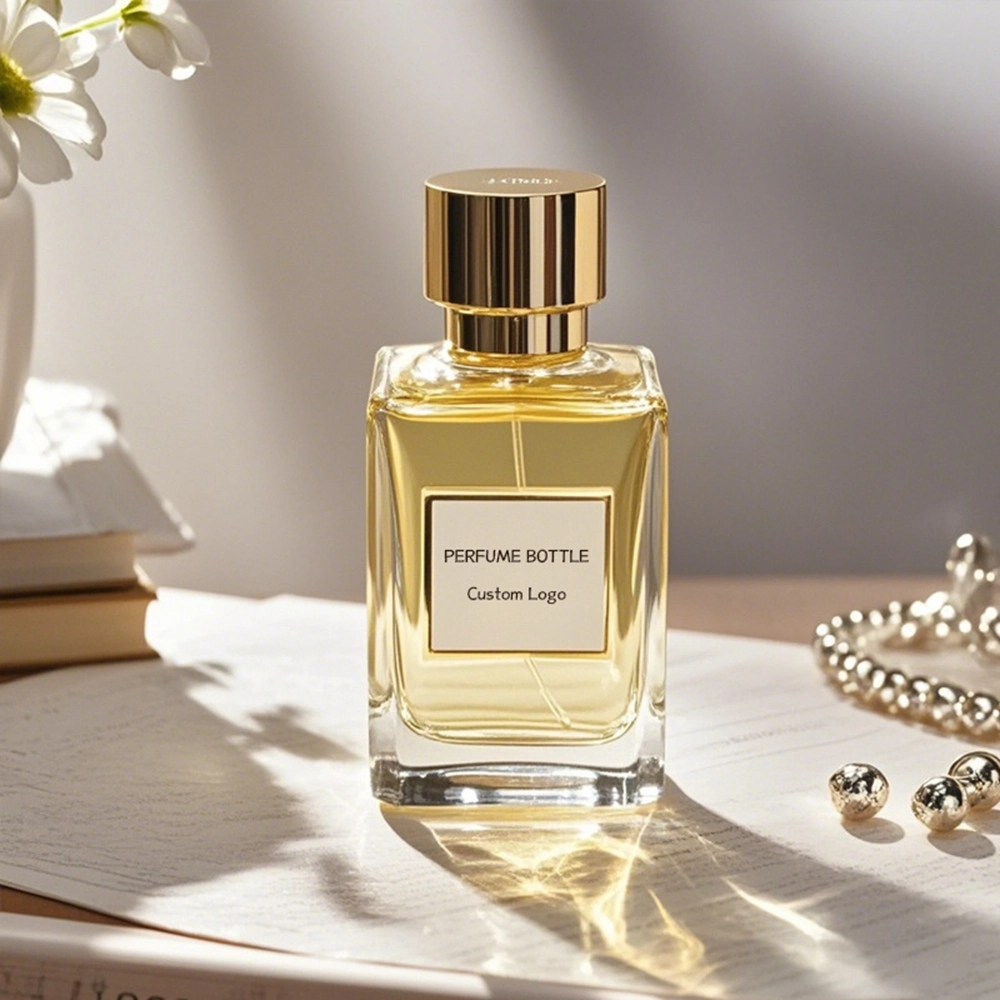
Sometimes the problem isn’t a block, but a build flaw. Weak seals can break down, or the inside coil might lose its strength. That’s why pro brands pick the Perfume Bottle – 30ml Mist Perfume Bottle, which has a tough pump middle built to handle thousands of pushes without dropping its spray shape hold. Cheap containers fail quicker under regular handling, leading to drips or no output that upsets users and hurts brand trust. In contrast, solid choices like this one keep everything running even after heavy use, saving time and money in the long run for both makers and buyers.
Step-by-Step Fixes for a Malfunctioning Sprayer
If your container jams up, avoid forcing it hard. Instead, follow these clear steps to get the flow going again. They build on each other, starting simple and moving to more involved if needed, so you waste less time and effort.
The Warm Water Soak
The easiest method usually does the trick best. Pull off the plastic top part, the one you push, from the container’s upper end. Dip only that top into a dish of warm water, not hot, with a splash of kitchen soap. Let it sit there for ten full minutes to soften any stiff scent leftovers. Then wash it clean, pat it dry, and slide it back onto the metal rod. This approach clears out most everyday dirt without damaging anything, and folks often see results after the first go, making it a go-to for quick saves.
Priming the Pump
When the trouble stems from an air trap, you have to “start up” the system. Hold the container straight and push the top quick 10 to 15 times in a row. If nothing happens, flip it fully over and give it several more firm pushes. That move pushes the caught air free from the inner tube and lets the pull setup restart properly. It might take a couple tries, but this basic action often brings back the spray without any special gear, keeping things simple for home fixes.
Clearing the Orifice with Precision
Should the soak fail to help, grab a slim sewing needle or a fine pin. Ease the point into the main hole at the tip’s center. Keep it light, so you don’t twist the plastic out of shape. It breaks apart tough bits that water alone couldn’t touch. Go slow and test the spray after each careful poke to check progress, ensuring you fix the block without making new problems like widening the opening too much.
How to Handle Internal Pump Failures
At times, the glitch hides deeper inside than just the tip. If the rod won’t shift at all, the inner coil or slider could be locked up. These core issues call for careful steps to avoid breaking things worse.
Re-aligning the Dip Tube
Often, the inner tube, that clear straw within the container, bends sharp against the glass side and sticks to the base, cutting off the fluid pull. Give the bottom a soft pat against your hand to nudge the tube into a better spot. This easy shake usually frees it, allowing juice to reach the top smoothly and skipping the need to take the whole thing apart. It’s a low-risk way to test if position is the culprit before trying bigger fixes.
Professional Decanting Solutions
If the pump really gives out and the container seals tight with no way to twist off the top, pouring out the scent might be your best bet. With a small set of grips, you can gently lift the metal ring. After it’s open, shift your smell over to a fine new holder. We suggest the Perfume Bottle – 50ml Cylinder Shape Perfume Bottle for the task. Its simple round form offers a sure hold, and the sharp clear glass keeps your scent looking great while giving a far steadier spray part than typical store containers. This switch not only saves what’s left but also upgrades your setup to something that works better day to day, preventing future headaches and letting you enjoy the full amount without loss.
Preventing Future Spray Issues
Taking care proves simpler than mending later. To make sure your scent keeps coming out even, stick to these practical pointers. They take just moments but pay off big by cutting down on surprises down the line.
Store Upright: Always keep your bottles standing tall so the inner tube stays under the fluid and air stays out of the push space. This one habit alone stops many air problems before they start, keeping the system ready whenever you reach for it.
Keep the Cap On: The cap does more than look nice; it blocks dust from piling up in the tip and slows the drying of oils right at the end. Snapping it back after use guards against grit and keeps things fresh longer, a small step with real benefits for bottle life.
Regular Use: When you own many bottles, aim to give each a quick spray at least monthly. That action oils the inner parts and stops oils from hardening in the gears. Cycling through your picks this way not only wards off blocks but also helps you savor every scent in your set without any going stale or wasted.
Choosing the Right Packaging for Longevity
For makers or home scent blenders, dodging the “no-spray” headache matters a ton. The glass grade and the exact match of the pump fit stand as the top elements for lasting goods. Fine clear or standard glass blocks bad mixes with the perfume, and a snug seal holds the pull tight without fails. These picks affect everything from small batches to large orders, making sure the end product holds up well for users who expect reliability every time they use it.
Spending on better pieces lowers come-backs and builds true fans. A container that runs flawless to the final drop defines a top-line brand. That kind of steady performance turns casual shoppers into repeat ones who tell friends, growing your reach without the pull of fix requests or unhappy feedback that drags on sales.
Service, Customization, and Expert Support
The core of any solid item lies in the crew that backs it fully. Past handing out fine glass holders, expert packing teams provide a full range of aids to help you succeed. This covers various tools and know-how to match your plans and smooth out any bumps along the way.
Custom Mold Design: Shaping one-of-a-kind forms that mark your brand clear. These special looks help your products jump out on displays and build recognition that sticks with buyers over time.
Surface Decoration: Choices such as light frosting, print screening, and heat stamps to boost the look. These adds bring style and touch appeal, making the first impression count and heightening the joy when someone opens it up.
Rigorous Quality Control: Each pump gets checked for spray direction, drop size, and drips before shipping out. This thorough look spots issues early on, ensuring only strong pieces reach customers and slashing real-world troubles that could lead to returns or bad word of mouth.
Facing steady snags with your present holders or looking to step up your goods? Connecting with field pros offers the smartest way ahead. They share tips from long experience, guiding you to fits that suit your size and funds while hitting high notes on safety, style, and function for lasting wins.
Contact Information
Set to boost your scent holders? Connect with the tech crew to talk needs, grab samples, or check out tailored build ideas. They walk you through choices that align with your goals and make the launch easy and effective.
FAQ
Q: Can I use rubbing alcohol to clean a clogged perfume nozzle?
A: Yes, rubbing alcohol (isopropyl alcohol) works great to break down tough scent oils. You can swab the tip with a cotton stick soaked in it or let the top sit in a bit of alcohol for five minutes to clear the jam. This clean method tackles sticky spots well and restores flow without strong cleaners that might harm the parts. It’s a safe home trick that many swear by for keeping nozzles open.
Q: Why does my perfume bottle leak from the collar when I spray it?
A: It often points to a cracked seal or wobbly pump. For twist-top types, give it a tighter turn. On sealed pumps, the inner pad might have worn out. Then, the best move is to pour the perfume into a fresh, good bottle to stop more loss. Spotting loose spots soon keeps small drips from becoming spills that mess up your space or outfits, and it saves the rest of your scent for later use.
Q: How do I know if the pump is actually broken or just clogged?
A: When the pump slides up and down easy but stays dry, it’s probably a block or air hold. If it sticks down or grinds rough or sloppy on push, the inner coil or slider has taken a hit from wear. Checking the motion and noise tells you quick if a clean-up will do or if swapping the whole unit makes sense to get steady sprays back without delay.