

Introduction
The simple cream jar has changed much more than just a basic holder. In 2026, it sits at the meeting point of green practices and appealing beauty packaging. Here, buyers want earth-friendly designs that still offer nice touch experiences. The rising need for green skincare jars shows a move toward what experts call “eco-luxury”—a mix of care for the environment and top-quality looks.
Current skincare jars are now seen not only as containers. They also form part of the touch-based story of a brand.
By 2026, this change will come from two main forces: green rules and the human wish for touch. Buyers keep looking for strong ties with their items. So, brands need to make packaging that feels nice in the hand and looks good on display. Yet, they must not harm recyclability or usefulness.
Jaunce Industrial has a key part in this. It offers adjustable and green jar options through its EcoForward program. These blend shape, purpose, and feel into one smooth experience.
Key Drivers Shaping 2026 Cream Jar Trends
Regulatory Pressure and Circularity
Governments around the world are making stricter rules on packaging to cut waste and support reuse systems. For skincare brands, this means using refill systems and single-material designs. These make recycling easier. Buyers are no longer just shoppers. They now check if their top moisturizer’s jar can be used again or refilled.
Rise of Sensorial Design
The strong link between user and product often starts with touch. Heavy glass bottoms, soft matte layers, or easy twist lids can bring feelings of trust and pleasure. The shape of the skincare glass bottle or jar body matters for looks and for work. It ensures a good hold and ease during daily use. This idea fits cream jars directly. Good shape is not only about ease. It also builds a special routine that connects with users on a deep level.
Minimalism Meets Premium Feel
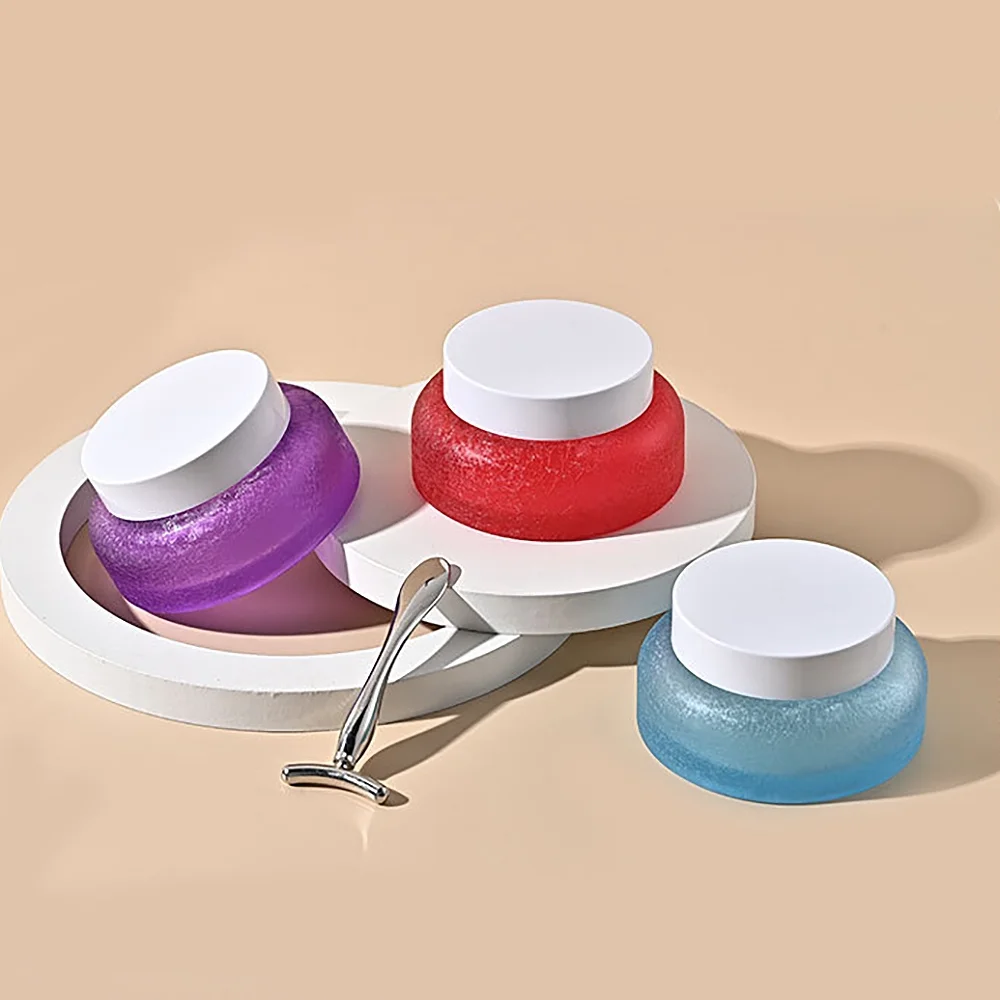
In 2026, minimalism is not about being plain. It is about fine details. Brands are removing extra details while using good materials that show luxury through basic forms. Straight lines, misty finishes, and light raised patterns take the place of bold logos. This shows trust in skill rather than too much decoration.
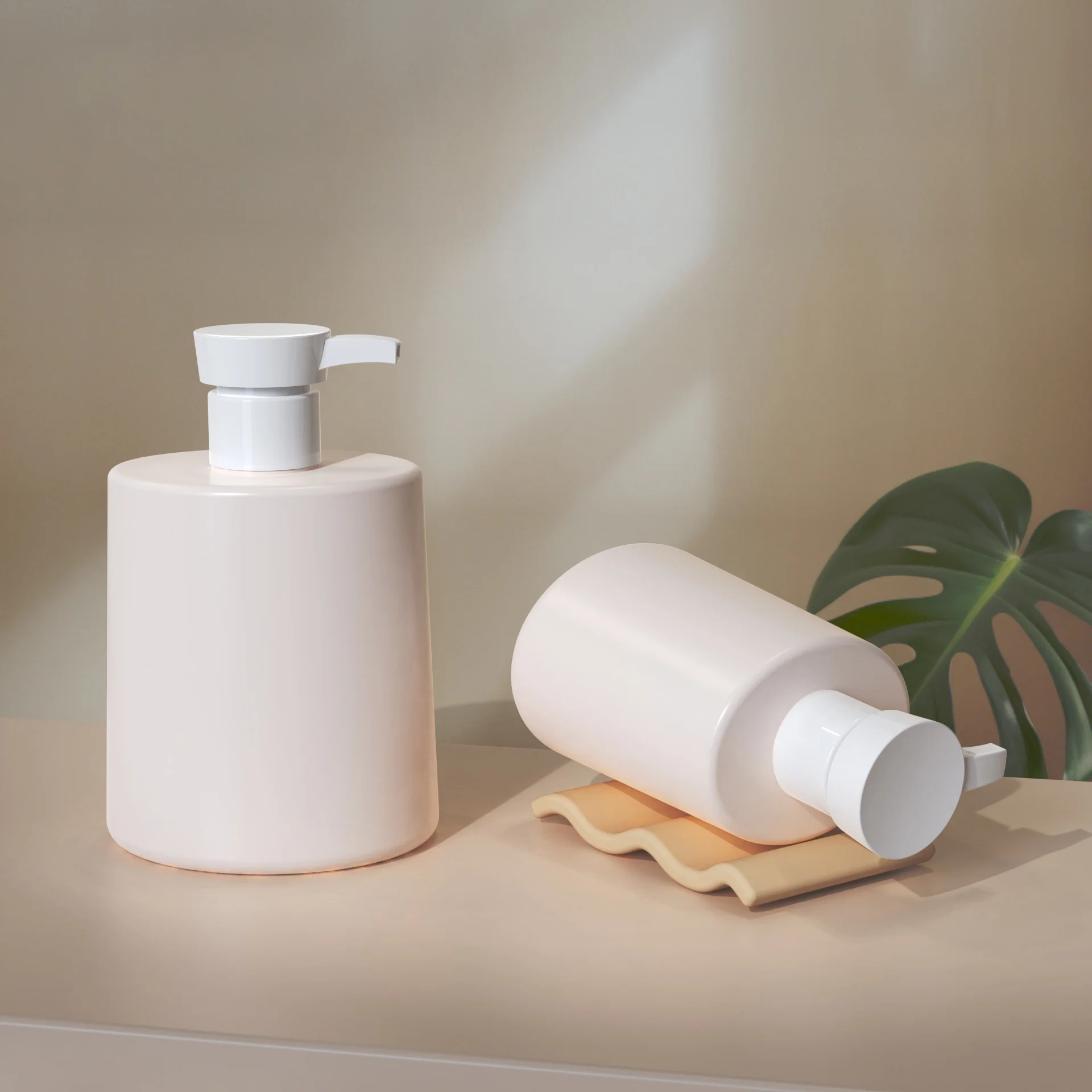
Top Trends in Cream Jar Packaging for 2026
| Trend | Description | Consumer Impact |
| Refillable & Modular Systems | Outer shells made from durable materials house replaceable inner pods for creams or serums. | Encourages reuse and reduces waste while maintaining a premium look over time. |
| Sustainable Materials | PCR glass, bio-based resins, lightweight aluminum hybrids dominate material choices. | Aligns with eco-conscious values without compromising elegance or durability. |
| Sensorial & Tactile Finishes | Soft-touch matte coatings, embossed textures, weighted glass bases enhance feel. | Creates emotional engagement through touch and reinforces brand identity. |
| Minimalist Aesthetics | Transparent elements combined with clean silhouettes emphasize purity and sophistication. | Appeals to consumers seeking authenticity and understated luxury. |
| Functional Innovations | Airless dispensing systems prevent contamination; precise applicators improve product control. | Extends product life while improving hygiene and usability for daily routines. |
The base of a cream jar has two roles: firm support and visual charm. In 2026 designs, even weight spread ensures steadiness on shelves. At the same time, fancy or heavy bases quietly boost brand image and improve the top unboxing feel.
How Jaunce Industrial Aligns with These Trends
Jaunce Industrial sees these changes coming through its EcoForward program. This is a special line of green skincare jars made for refill use and low-harm material choices. Each jar can be adjusted to fit various mixes like moisturizers or treatment creams. Yet, it keeps a steady look across groups.
Key offerings include:
- EcoForward Refill-Ready Jars: Designed for circular use cycles with easily replaceable inserts.
- Low-Impact Material Options: Incorporating PCR glass or biodegradable resins to reduce carbon footprint.
- Customizable Design Services: From texture selection to closure style customization.
- Turnkey Support: Guiding brands from concept sketches to mass production with precision engineering.
Material choice not only protects formulation integrity (from light, air, and contamination) but also reinforces brand positioning within premium skincare markets.
Case Examples & Best Practices
In recent years, luxury skincare brands have successfully integrated refillable cream jar systems without losing their aspirational appeal. For example:
- A high-end anti-aging line introduced modular jars where customers keep an elegant outer shell made from weighted glass while replacing inner pods made from recyclable resin every few months.
- Another brand used soft-touch finishes paired with minimalist silver caps to evoke calmness—a perfect fit for its “mindful beauty” campaign.
From these examples emerge best practices:
- Balance Sustainability with Unboxing Appeal:Eco-friendly doesn’t have to mean plain; thoughtful layering (like recycled paper inserts) can elevate presentation sustainably.
- Focus on Multi-Sensory Engagement:Combine tactile textures with visual transparency—consumers love seeing what they’re buying.
- Design for Longevity:Durable outer shells encourage reuse; timeless design prevents obsolescence even after multiple refills.
These examples show how today’s skincare buyers value both beauty and environmental consciousness. This feeling pushes cream jar trends ahead.
Conclusion
Cream jars in 2026 will no longer be minor items. They will act as quiet messengers sharing brand values through touch, weight, clear views, and green features. With eco-luxury turning common instead of rare, brands that change early will earn steady support from aware buyers. These buyers link good design with smart style.
Jaunce Industrial stands ready to partner with forward-thinking skincare labels seeking next-generation cream jar packaging solutions that combine sustainability with sensorial delight. If you’re looking for professional advice, please contact us.
FAQs
Q1: What makes refillable cream jars popular in 2026?
A: Refillable systems reduce waste by allowing consumers to reuse durable outer jars while replacing only inner pods—aligning perfectly with circular economy goals.
Q2: How can sensorial design enhance skincare packaging?
A: Tactile elements like soft-touch finishes or weighted glass create emotional engagement during use; they make applying skincare feel more like a self-care ritual than a routine task.
Q3: Are sustainable materials compromising luxury in cream jars?
A: Not at all—modern materials such as PCR glass or bio-based resins maintain premium aesthetics while supporting recyclability standards demanded by today’s conscious buyers.
Q4: What jar features suit high-end moisturizers and serums?
A: Airless pumps prevent oxidation; precise applicators ensure hygienic dispensing; customizable textures add tactile satisfaction aligned with sensorial beauty packaging trends.
Q5: How does Jaunce Industrial help brands adopt 2026 trends?
A: Through its EcoForward sustainable skincare jars program offering full customization—from concept sketches to production—Jaunce Industrial helps brands create innovative cream jar packaging that embodies both sustainability and sensory appeal.