

Introduction
The cosmetics industry faces a major change. In 2026, refillable cosmetic packaging will likely lead sustainability efforts among beauty brands worldwide. This move goes beyond looks. It focuses on cutting down single-use waste. It also builds stronger ties with customers. Plus, it meets stricter environmental rules like the EU’s PPWR and Extended Producer Responsibility (EPR) frameworks.
For B2B companies, refill systems offer real benefits. As a leading partner in this transition, Jaunce industriel helps brands navigate these shifts by providing packaging that reduces carbon footprints and lowers long-term material costs. These designs now play a key role in eco-friendly performance and brand messages, applying to items like cosmetic bottles, cream jars, makeup packaging, or perfume bottles.
This article looks at why refillable systems matter in 2026. It covers the kinds of options available. And it explains how brands can put them in place successfully. All while following rules and staying profitable.
Why Refillable Systems Are Essential in 2026
Recent data from Mintel shows growing but uneven interest from consumers in refillable formats. In main European markets like Germany, nearly 50% of buyers picked up a refill pack in 2024. Yet only about 40% have switched to full refillable products. This points to a gap between what people plan and what they do. Convenience issues cause this gap (Mintel Germany Consumer Preferences in BPC Packaging, 2025; Global Outlook on Sustainability). The trend appears strongest in skincare and fragrance areas. There, sturdy outer cases from glass or aluminum boost a sense of luxury. They match 2026 sustainability goals. And they help with premium placement for cosmetic packaging solutions like cosmetic bottles and perfume bottles.
Three key factors drive this shift:
- The move to a circular economy — it closes the loop on how materials get used.
- More checks on false green claims — this calls for real proof of sustainability.
- Strength in e-commerce — packaging must handle several shipping rounds without harm.
Refillable packaging delivers value for the environment and for business:
- Waste Reduction:Brands reuse the main container many times. This cuts plastic waste a lot.
- Subscription Models:Refill pouches or pods support steady income through automatic refill plans.
- Premiumization:Strong glass or aluminum cases raise the sense of value. They also show care for the planet.
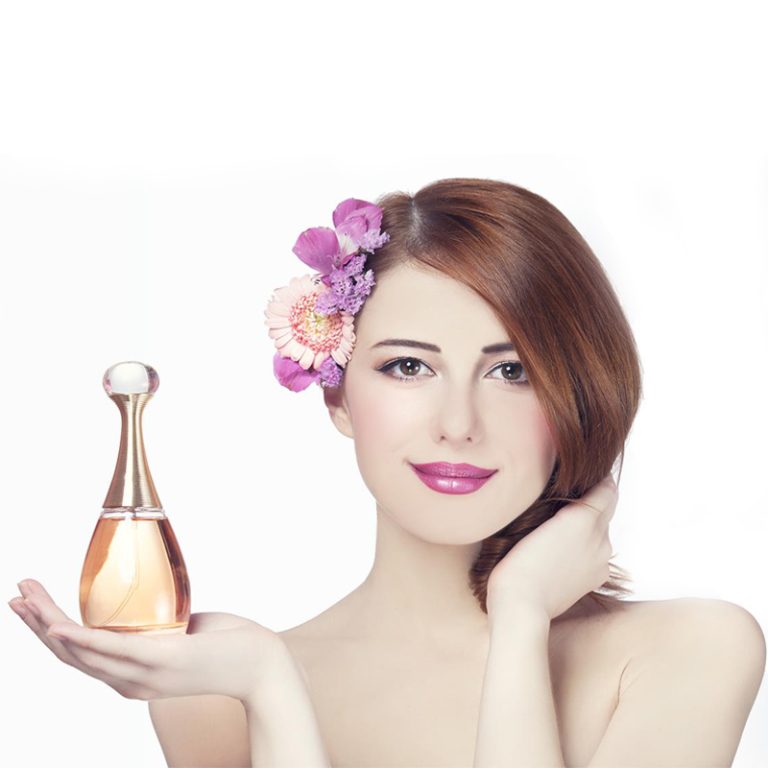
In fragrance, new ideas have come quickly. Perfume bottles work as both packaging and art. They hold scents and create an overall experience. This mix fits well with refillable design ideas. It combines practical use with emotional draw.
Types of Refillable Cosmetic Packaging Solutions
Modular Systems
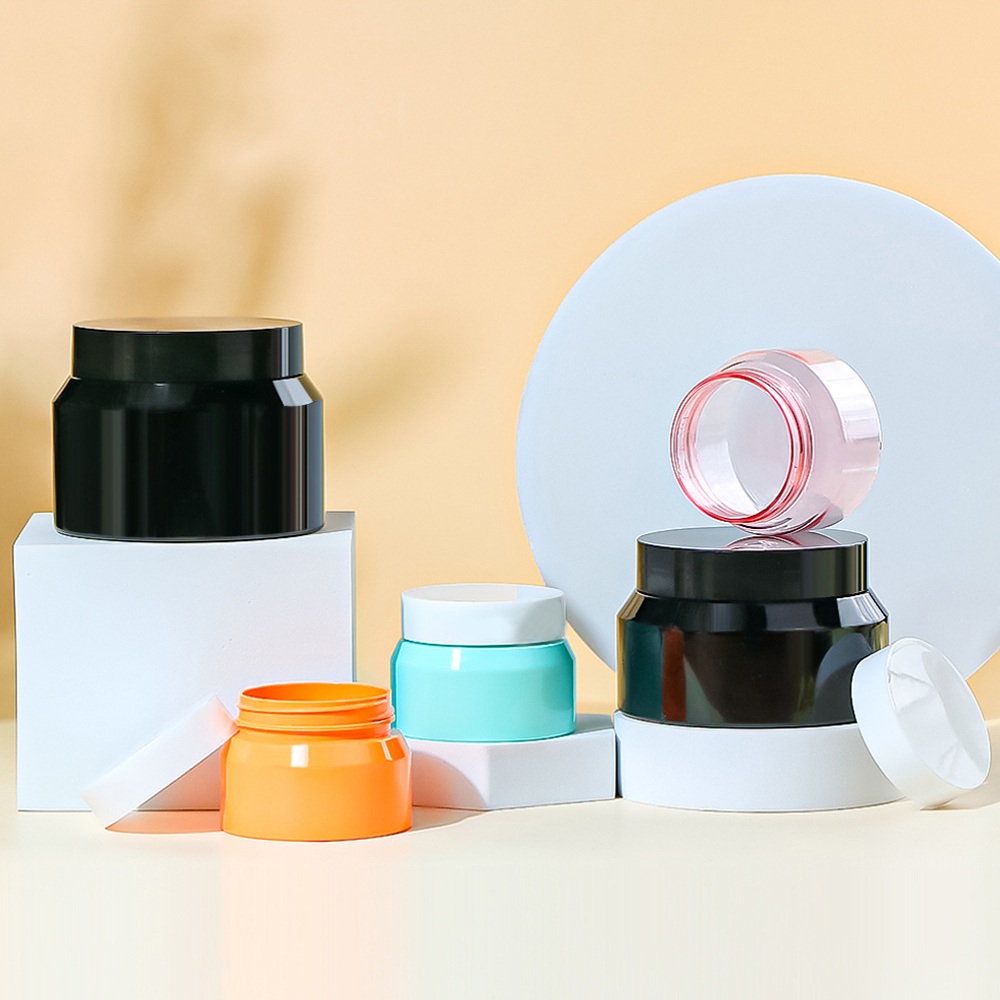
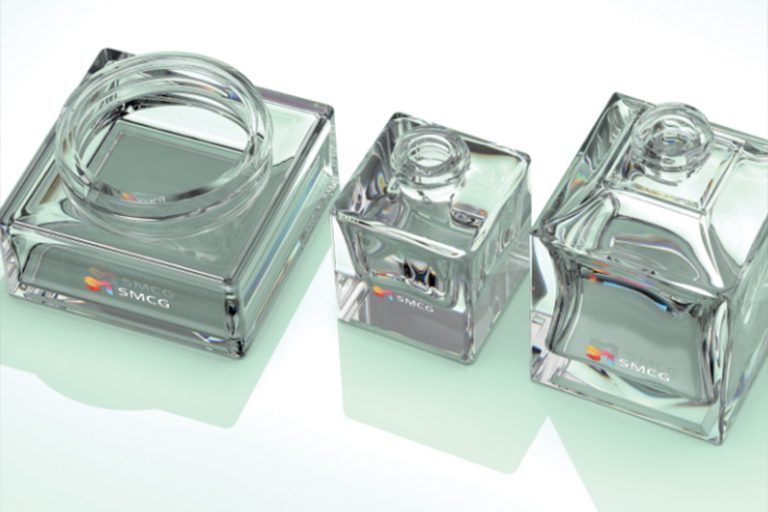
Modular designs pair lasting outer shells from glass or aluminum with inner cartridges or pouches that can be swapped out. These inner parts use lightweight plastic or post-consumer recycled (PCR) materials. Such systems keep a luxury look. At the same time, they lessen harm to the environment.
Airless Refillable Cosmetic Bottles
Airless technology protects delicate formulas from air and dirt. It offers exact and clean dispensing for serums, lotions, and foundations in cosmetic bottles. In 2026, mono-material airless pumps stand out. Examples include all-PP or all-PE builds, often without metal. Industry experts like Pacific Packaging Components, Aptar Beauty, and BeautyMatter trends confirm this rise. These designs make full recycling easier under EPR/PPWR rules. They avoid problems with mixed materials. And they support light, refill-friendly setups that cut virgin plastic needs. This aids circular economy aims.
Cream Jar Refills
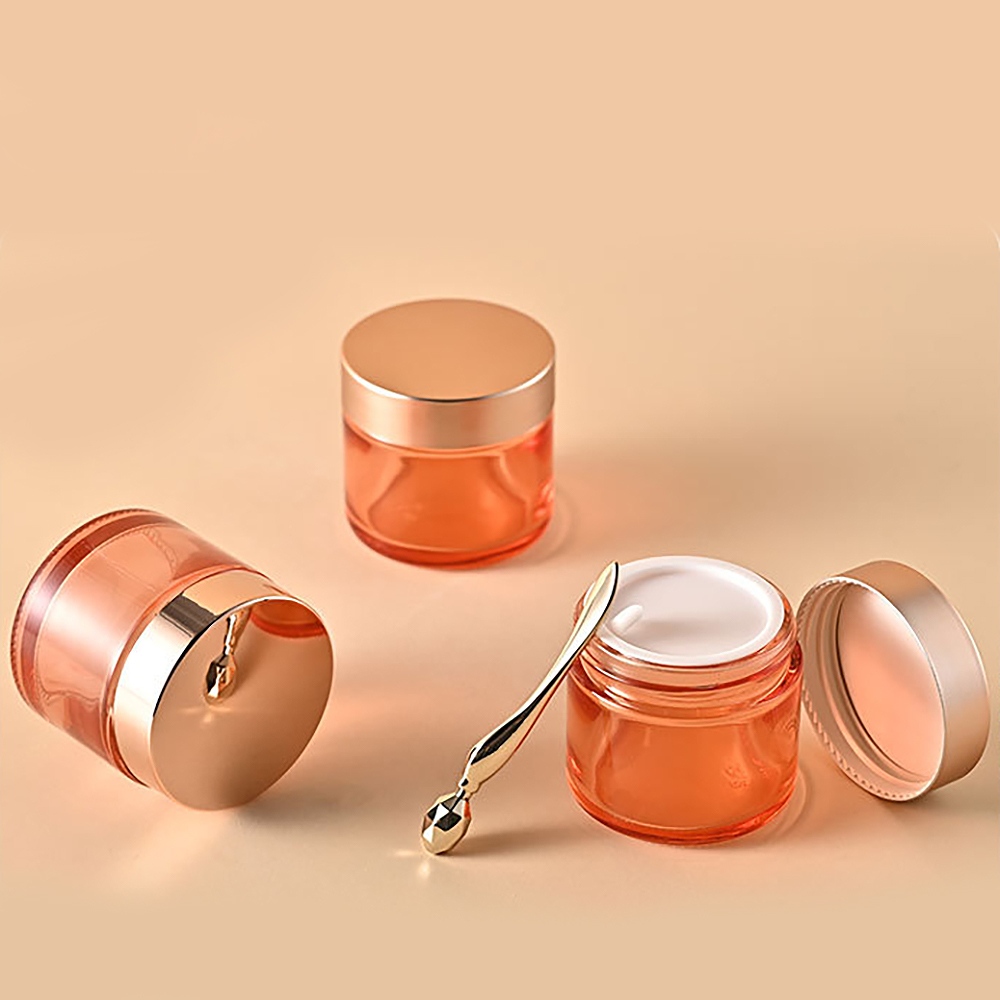
Refillable cream jars often include screw-in pods or magnetic bases. These snap in place safely. This method mixes ease with cleanliness. Users can swap the inner pod without direct contact to the formula.
Perfume Bottle & Makeup Packaging Refills
Top fragrance brands now use refillable perfume bottles more often. These feature modular atomizers and collars that detach easily for refilling. Main engineering work targets airtight neck-collar systems. These can be mono-material or hybrid types. They stop evaporation and keep the scent strong. They also hold a premium look through many uses. This matters for valuable bouteilles de parfum. For makeup packaging, such as compacts, lipstick tubes, and foundation cases, tough outer shells from glass or aluminum pair with light, recyclable inserts. This allows color changes without throwing away the whole thing. It fits 2026 circular economy rules and what buyers want in lasting, green beauty options.
Step-by-Step Implementation Guide for Brands
Step 1: Assess Product Compatibility
Before you redesign packaging, check if each formula fits a refill setup. For instance:
- Creams need steady thickness for pod systems.
- Perfumes require tight seals to control evaporation.
- Foundations must keep pump accuracy after several refills.
Step 2: Material Selection
Pick materials for their recyclability and strength:
| Component | Recommended Material | Key Benefit |
| Outer shell | Glass / Aluminum | Premium feel & longevity |
| Inner pod | Mono-material PP / PET | Easy recycling |
| Pump / Cap | PCR plastic | Reduced virgin material use |
Smart material picks guard sensitive formulas. For example, they shield perfumes from light or heat. They also protect serums from air. At the same time, these choices strengthen brand spots in high-end, green markets. High-PCR and mono-material choices further meet 2026 EPR/PPWR goals for recycled content. They boost overall sustainability for cosmetic packaging.
Step 3: Design for User Convenience
User experience pushes adoption. Buyers prefer simple systems. Think twist-to-lock refills or magnetic closures. Leak-proof seals matter too. All these keep the touch feel satisfying.
Step 4: Supply Chain & Logistics
Plan logistics from the start:
- Provide small refill pouches suited for online shipping.
- Add protective inserts to avoid breaks during transport.
- Include QR codes for checking realness and recycling steps.
Step 5: Compliance & Certification
Make sure you follow recyclability standards (ISO 18604) and clear rules under new EU directives. Digital product passports with QR or NFC tech can trace material sources and disposal ways.
Step 6: Launch Strategy
Launch with mixed models:
- Subscription-based online sales.
- In-store refill stations for main spots.
This two-way method boosts involvement. It also reduces packaging waste on a large scale.
Challenges and Solutions in 2026
Even with rising use, issues remain:
- Higher Initial Costs:Strong materials like glass or aluminum increase starting expenses.
- Consumer Education:Users need to learn correct refill handling.
- Compatibility Issues:Some formulas might act differently in reused containers.
Solutions involve working with expert partners. They offer skills in mono-material engineering and custom tools for refill-ready designs. Hybrid setups, like glass outsides with recyclable plastic insides, mix luxury looks with real sustainability aims.
As 2026 reports from BeautyMatter and Mintel Packaging Predictions stress, today’s buyers want packaging that mixes touch appeal, care for the environment, and useful features. This makes modular refill systems a main need in beauty fields.
Conclusion
In 2026, refillable cosmetic packaging has grown from an extra green choice to a basic need for competition. EU PPWR rules drive this, with recyclability by 2030 and rising recycled content goals. Buyer hopes and circular economy demands add to it. Brands that start early gain edges in cost savings over time, customer loyalty, and rule readiness. They also create true sustainability stories.
In the future, new ideas will blend touch luxury, like feel textures and solid weight, with smart tools. These include NFC or QR tracking for use, recycling, and return loops.
For B2B brands seeking custom, strong solutions in sustainable cosmetic bottles, cream jars, makeup packaging, or perfume bottles—including mono-material airless systems, high-PCR hybrids, and refill-compatible designs—partnering with specialized manufacturers like Jaunce Industrial provides compliance, innovation, and optimized supply chains.If you are ready to implement these solutions, please nous contacter to discuss your project requirements.
Questions fréquentes
Q1: What makes refillable cosmetic packaging sustainable?
A: It minimizes single-use waste by allowing consumers to reuse durable outer shells while replacing only lightweight inner components made from recyclable or PCR materials.
Q2: How do sustainable refill systems benefit brands financially?
A: They reduce long-term material costs, encourage repeat purchases through subscription models, and enhance brand loyalty among eco-conscious customers.
Q3: Are eco-friendly cosmetic bottles suitable for all formulations?
A: Most liquid foundations, serums, creams, and perfumes can adapt to refill formats if proper sealing mechanisms prevent contamination or evaporation during reuse cycles.
Q4: What materials are best for refillable cream jars?
A: Glass or aluminum exteriors paired with mono-material PP pods provide durability while maintaining recyclability standards required by future EPR regulations.
Q5: How does a perfume bottle integrate into sustainable refill systems?
A: Modern designs include detachable atomizers or collars that enable easy refilling without compromising scent quality; Sealing rings these are small yet important elements of a perfume bottle. They preserve aroma integrity across multiple uses by creating airtight locks within reusable structures.