

When you spend endless hours and significant resources perfecting a skincare recipe, your main worry is not just how it feels on the skin today, but how powerful it stays six months from now. For smart buyers and business owners, the shelf life of a beauty product is a clear mirror of brand honesty. If your expensive Vitamin C serum turns a dark brown or your fancy liquid foundation gets thick and chunky, your customers will stop trusting you immediately. This ruining of the product is not usually a mistake in the ingredients themselves; instead, it is a failure of the environment around them.
To fight this, the beauty world has moved toward high-tech packaging that acts like a solid fort. Before we dig into the tiny details of how to keep things fresh, you should team up with a partner that sees packaging as a serious science rather than just a cheap plastic box. Jaunce Industrial really stands out in this busy market, acting not just as a factory, but as a clever partner for companies that care deeply about how long their liquids stay fresh. With a very strong focus on the science of materials and super-accurate building, they focus on vacuum systems and light-blocking jars that stop the chemical breakdown of active parts. Their way of doing things mixes pretty looks with very strict technical rules, making sure that every single pump gives the user the same strength as the very first day it was made. By picking a partner with this kind of deep skill, you get rid of the guessing games in your supply chain and give your shoppers a product that actually does what it says on the label.
The Enemies of Efficacy: Why Actives Fail
You probably already realize that bright light and moving air are the main things that cause chemical rot. However, the sheer speed at which these things ruin a formula is often much faster than people guess. When you let a formula touch oxygen, a messy process called oxidation starts. This is especially terrible for “superhero” ingredients like Retinol, Vitamin C, and different kinds of peptides. These tiny molecules are naturally shaky; they are always looking for something to react with. If they react with the air sitting inside a bottle, they are “used up” before they ever get a chance to touch the customer’s skin.
Besides oxidation, tiny germs are a quiet but deadly problem. Every single time a user dips their fingers into an old-fashioned open jar, they are basically dropping in bacteria, fuzzy mold, and yeast. Even if you put a lot of strong chemicals in there to stop rot, letting in air all the time makes it super hard to keep a clean space. This is why professional-level products need a closed-off system. By getting rid of the need for a lid you have to unscrew, you vastly lower the germ load on the cream. This allows you to talk about “cleaner” or “low-chemical” labels that people today really want to buy.
Moving from old jars to these smart systems is not just a passing fad; it is a total requirement for performance. This brings us to the mechanical answer that has changed the whole industry: the airless pump.
How Airless Technology Redefines Product Life
The smart secret of an airless system is that it says “no” to the old-fashioned “straw” or dip tube. In a normal pump bottle, a plastic tube goes down into the liquid. As you pump the stuff out, air gets sucked back into the bottle to fill up the empty space. This air brings in oxygen and tiny invisible bugs. In sharp contrast, an airless bottle uses a clever vacuum trick. A tiny round plate called a piston at the very bottom of the bottle slowly moves up as the product comes out, physically shoving the liquid toward the top. No air ever gets back inside the bottle.
For your brand, this gives you three big wins. First, the product stays in a complete vacuum from the second it is poured in until the very last drop is pumped out. Second, the moving piston acts like a squeegee, scraping the inside walls of the bottle totally clean. This makes sure you get a 99% empty rate, which means your customers won’t get mad because expensive cream is stuck at the bottom where they can’t reach it. Third, the total lack of air stops the formula from getting dry and crusty. If you are selling a makeup foundation with lots of color, an airless Cosmetic Serum Airless Bottle ensures the thickness stays exactly the same, stopping that gross “dried-up” bit you usually see around the tip of normal pumps.
This mechanical accuracy is vital for big bottles, but the same smart logic works for tiny, more expensive doses where every single drop is worth a lot of money.
Precision for Small Batches and Travel Solutions
Not every single beauty product needs a big 50ml or 100ml home. Actually, some of the most powerful treatments—like eye gels, pimple creams, and luxury face oils—are much better when sold in tiny amounts. For these special uses, the material you pick is just as vital as the pump itself. Polypropylene (PP) is the top choice here because it is very tough against chemicals. It does not react with the oily parts of your recipe, making sure that no weird “plastic” smell leaks into your expensive cream.
For brands that want to give out tiny testers or high-end travel sizes, using a 5ml 10ml and 15ml PP Material Airless Serum Bottle Liquid cream package is a very smart business move. These tiny units keep the same vacuum-sealed strength as the huge ones. When you give someone a sample in a real airless bottle instead of a flat paper packet, you let them try the product for several days while it is still fresh and strong. This really helps more people decide to buy the full-size version because the product actually works the way it is supposed to during the whole trial.
Also, the small and tough nature of these PP bottles makes them perfect for professional bags. They are very light, they don’t break if you drop them, and most importantly, they never leak because the vacuum seal doesn’t care about the weird air pressure changes when you fly on a plane.
The Essential Oil Storage Guide: UV Protection
While airless tech takes care of the air problem, we also have to talk about the danger of light. If you are working with natural essential oils or plant extracts, you are dealing with things that are very sensitive to light. UV rays from the sun can literally snap the chemical strings of smell molecules and oils, turning a nice scent into a weird chemical stink and killing off all the healing benefits.
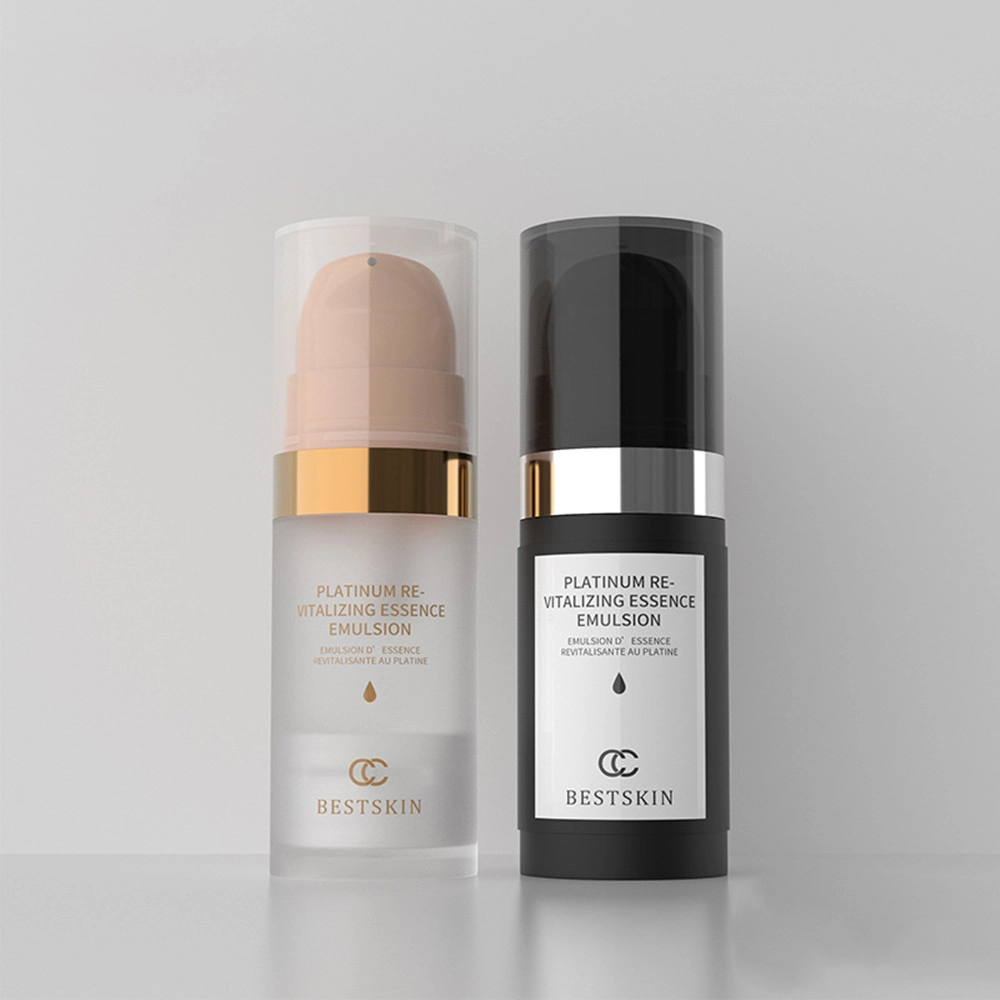
When you are looking for your packaging, you must think about how much light the bottle lets in. A clear airless bottle is great for showing off a pretty sparkling serum, but for a formula based on natural oils, you need a bottle that blocks UV rays. Many high-quality airless bottles can be made with solid-colored walls or special coatings that filter out light. This “double shield” way of thinking—using a vacuum against air and solid walls against light—creates the safest possible home for modern skincare.
This is super important for makeup. Many face products have iron and delicate colors that change their shade when they touch light and air. Have you ever noticed a face makeup turning a weird orange color after you own it for a few weeks? That is oxidation. An airless, light-proof bottle keeps the color “true” from the very first day to the last, which is the biggest reason why customers keep coming back to buy the same makeup again.
Strategic Sourcing and Brand Longevity
Picking the right bottle is a mix of good science and good help. It is not enough to just buy any old bottle; you need to be sure the person selling it helps you match the bottle to how thick or thin your liquid is. A cream that is too thick might need a stronger spring in the pump, while a very thin watery oil needs a very tiny hole to stop it from spraying everywhere.
The helpful side of packaging means having very strict checks to make sure every bottle is perfect. You need to be 100% sure that every single piston is sitting the right way and every seal is totally airtight. Working with a specialist who cares about these things lets you change how the bottle looks—using fancy printing, shiny foil, or special colors—without breaking the useful vacuum part of the airless design. This full way of looking at your supply chain makes sure your brand is safe from the high costs of having to take products back and the bad luck of mean reviews online.
By putting the science of keeping things fresh first, you are not just buying a jar; you are buying a safety net for your hard work. You make sure that the tough work you put into picking your ingredients actually reaches the skin of the person who bought it. In the end, your success depends on the liquid inside staying perfect until the container is empty.
FAQ
Q: Can airless pump bottles be reused or refilled by the person who buys them? A: Mostly, these bottles are made to be used once and then thrown away to make sure they stay clean and keep their vacuum seal. While you can technically push the bottom plate back down with a stick, doing that in a normal room ruins the whole point of the airless design. It lets dirty air into the bottle. For a brand, it is much smarter to sell a fully sealed bottle so the cream stays fresh and safe until it is all gone.
Q: Do airless bottles work with really heavy creams or thick balms?
A: Airless systems are actually great for thick creams because the moving plate at the bottom pushes the product up, which a normal straw pump can’t do. However, for super thick balms that are almost solid, you have to make sure they are poured in correctly so there are no big air bubbles. Most normal face creams and makeup liquids work perfectly with this kind of bottle.
Q: Why is PP (Polypropylene) the favorite plastic for these airless bottles?
A: PP is a top choice because it is “quiet” chemically. It doesn’t react with most acids, liquids, or oils. This means it won’t change your ingredients or make them smell like plastic. It is also safe, strong, and doesn’t have bad chemicals like BPA, which makes it a very professional and smart choice for high-quality skincare lines.