

Introdução
The cosmetic packaging area in 2026 is starting a large change. This shift comes from goals for the environment, efforts to create a more elegant feel for products, and stricter rules around the world. B2B brands are now looking over their material choices for every product type. This includes cosmetic bottles and cream jars. It covers perfume bottles and makeup packaging as well. The change is not just about looks. It also involves smart planning.
As a leading supplier in the industry, Jaunce Industrial stays at the forefront of these shifts, helping brands navigate the complex balance between aesthetics and compliance.
The global cosmetic packaging market is projected to reach up to USD 59.88 billion in 2026, with glass packaging specifically carving out a strong niche due to its recyclability and premium positioning. By 2026, the industry standard has moved toward high PCR (post-consumer recycled) integration, mono-material designs, and lightweight structures to meet EPR and PPWR requirements. Choosing between glass and plastic now directly impacts your brand’s sustainability rating, logistical efficiency, and market perception.
Glass in Cosmetic Packaging: Strengths and 2026 Applications
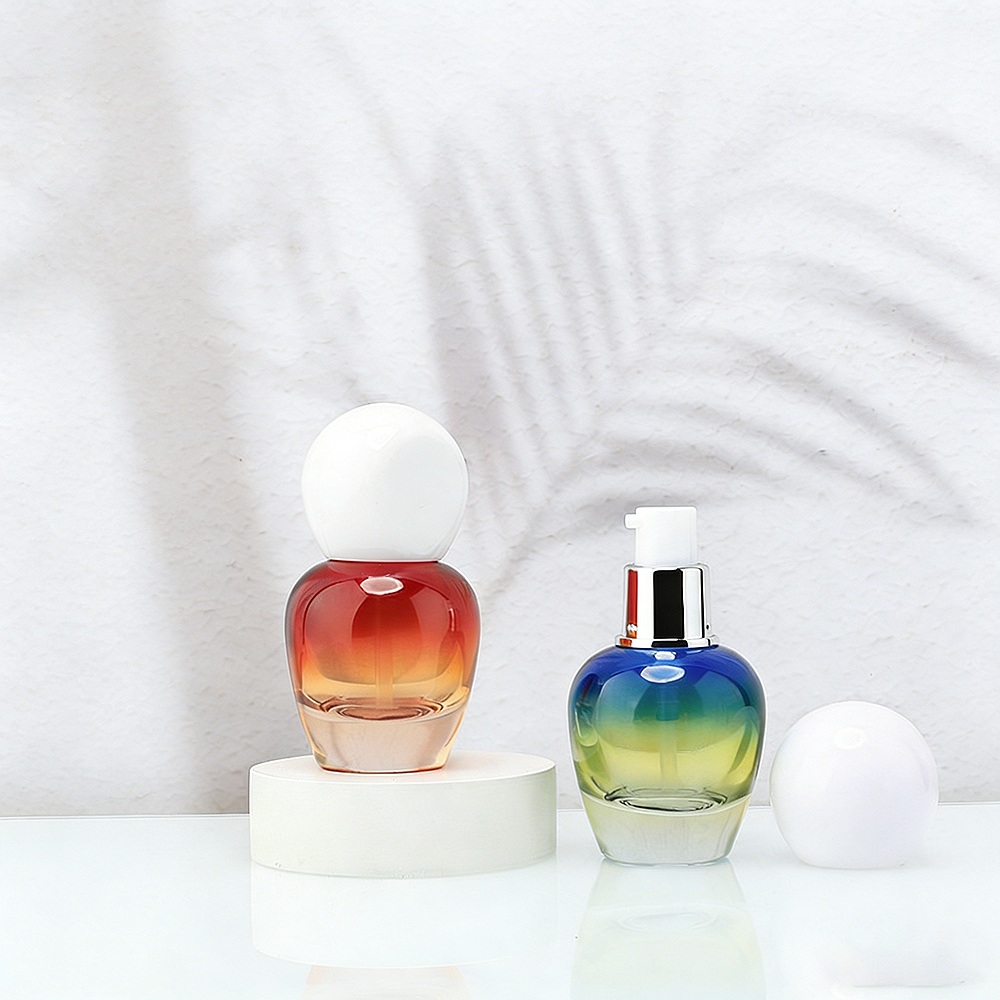
Glass has always stood for grace in beauty items. And good reasons support that. It gives pure qualities, steady work, and strong visual draw. These traits fit well with elegant skincare and scent products.
Glass material is lead-free and safe, with solid barrier features. It can stop different gases from harming the contents in the bottle. At the same time, it keeps volatile parts inside from getting out. This lack of reaction makes glass ideal for cosmetic bottles, such as our premium skincare glass bottles. These hold serums or active ingredients that get hurt by air or light.
Sustainability Advantages
Glass provides endless recyclability without any drop in quality. This gives a big edge as Extended Producer Responsibility (EPR) policies encourage brands to use circular systems. Options like high post-consumer recycled (PCR) flint or clear glass keep great see-through qualities. And they support green aims at the same time.
Premium Aesthetic Appeal
Glass offers great clarity. It allows full view of the mix inside. This builds a fancy visual pull and boosts buyer trust in product grade. The heavy weight and touchable feel of glass improve the opening experience for makeup packaging and cream jars. It provides a rich sense that plastic choices often find hard to match well.
2026 Trends
New methods are fixing old issues like easy breaking and heaviness. Lighter glass cuts the carbon mark in moving and transport. Mixed designs, such as glass centers with aluminum outer parts, offer better touch luxury without losing strength. Brands are checking out textured or raised finishes too. These engage senses through feel as well as sight. Such changes line up with 2026 patterns in sense-based luxury and top skincare or fragrance areas. There, perfume bottles and cream jars gain from high-PCR glass and setups that work with refills.
Plastic in Cosmetic Packaging: Strengths and 2026 Innovations
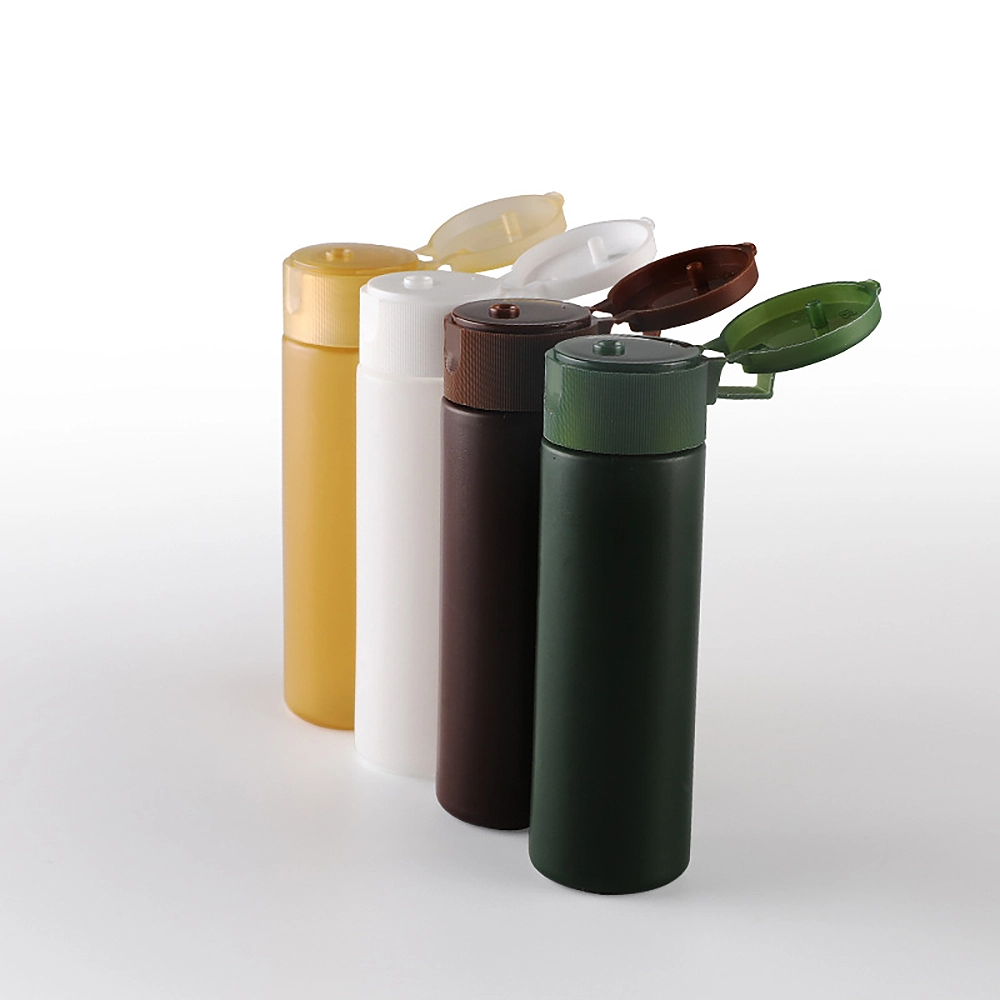
Plastic stays a vital choice in everyday cosmetics. It offers many uses, low costs, and easy fits for practical shapes like pumps or sealed systems.
Plastic bottles come from various materials, including PET (polyethylene terephthalate), PP (polypropylene), PE (polyethylene), AS (styrene-acrylonitrile copolymer), acrylic, etc. Each type brings special perks to plastic bottles collection. PET gives clear views and toughness. PP offers bendability. PE adds softness that works well for squeeze items, such as lotions or cleansers.
Avantagens Funcionais
Plastic does not break easily. This makes it great for strength in online sales. Such sales will lead distribution by 2026. Sealed pumps help products last longer by cutting air contact in mixes like serums or creams.
Sustainable Plastic Developments
Traditional cosmetic plastic packaging has dealt with problems in recyclability. But progress is changing its eco side. Makers are focusing on high post-consumer recycled (PCR) content, plant-based resins, and mono-material designs (such as all-PP or all-PE structures). These help make recycling simpler and meet tougher eco rules. Such new ideas cut the need for fresh materials. They lower harm to nature. And they allow easier fit into circular economy ways for cosmetic bottles and makeup packaging.
2026 Trends
Single-material sealed systems are becoming popular. They remove mixed parts that slow recycling. Efforts to lighten weight cut resin use by up to 20%. This balances green goals with good shipping. Such balance matters when items ship worldwide.
Head-to-Head Comparison: Glass vs Plastic Across Key Factors
| Factor | Vidro | Plástico |
| Sustainability & Recyclability | Infinitely recyclable; strong PCR integration | Improving through PCR content & mono-material innovations |
| Product Protection & Shelf Life | Excellent barrier against oxygen/UV; ideal for perfume & serums | Good protection but may leach under extreme conditions |
| Cost & Weight | Higher cost; heavier logistics footprint | Lightweight & cost-effective for mass production |
| Percepção do Consumidor | Premium feel; enhances brand prestige | Versatile; fits modern minimalist aesthetics |
| Regulatory Compliance (EPR/PPWR) | Naturally compliant due to recyclability | Must meet stricter mono-material/refill standards |
Both materials have real roles depending on category needs and brand strategy.
Choosing the Right Material for Your Product in 2026
Picking materials should match product needs and brand goals. Do not just chase trends.
Luxury brands aim at upscale buyers. They often choose glass cosmetic bottles with metal closures to heighten rich touch and sense feel. This conveys class, strength, and detail.
- For high-end skincare creams (cream jars) or fragrances (perfume bottles), glass remains unmatched in barrier performance, product preservation, and premium unboxing appeal.
- For portable or mass-market products like sunscreens or cleansers (cosmetic bottles), where weight and cost efficiency outweigh prestige, plastic provides practical advantages in shatter resistance and logistics. Hybrid solutions are gaining traction in mid-tier segments, such as refillable systems featuring durable glass exteriors with recyclable plastic inners, striking an optimal balance between elegance and environmental responsibility.
Blended choices will rule mid-range spots. Refill setups show a tough glass exterior matched with recyclable plastic insides. These strike a balance between grace and earth care.
Jaunce industrial provides custom build skills over both materials — from shaped glass perfume holders to PCR-mixed plastic tubes that work with one-material recycle setups — aiding brands to secure their ranges before rule dates.
Conclusão
2026 marks a key meeting of old strengths and new ideas in cosmetic packaging materials. Glass is gaining back its place in premium areas through its endless recyclability, non-reactive traits, and fine sense qualities. Meanwhile, plastic is turning into a more eco-friendly, flexible choice via high-PCR addition, mono-material designs, and light weight progress. These support wide market access and rule following.
Working with skilled suppliers like Jaunce industrial—who shine in custom cosmetic bottles, cream jars, perfume bottles, and makeup packaging across both glass (including high-PCR and lightweight options) and advanced eco-plastics (mono-material compatible and refillable)—will help brands lead in the next stage of beauty packaging newness. Please feel free to contactar-nos for more information.
FAQ
Q1: What are the main differences between glass vs plastic bottles in cosmetic packaging?
A: Glass brings better chemical steadiness, endless recyclability, and fancy looks fit for perfumes or serums. Plastic offers light toughness, bend in shapes like pumps or tubes, and reduced making costs suited for big distribution.
Q2: Why are more brands shifting back to glass cosmetic packaging by 2026?
A: Top brands like glass since it matches eco aims under EPR rules. It also boosts seen worth via clarity, feel, and rich heaviness — traits buyers link to realness.
Q3: How does sustainable cosmetic packaging influence consumer choice?
A: Buyers aware of nature more and more praise brands that use reusable or refill stuff like PCR plastics or slim glass. Eco cosmetic wrapping shares duty without losing style charm.
Q4: Are mono-material plastics better than traditional blended plastics?
A: Yes. One-material answers like all-PP or all-PE parts ease recycling steps because they skip mixed coats that mess up waste sorting — a key move to loop economy fit by 2026.
Q5: What factors should businesses consider when choosing between glass vs plastic bottles?
A: Choices should balance item kind (e.g., perfume vs lotion), shipping needs (break vs carry), market spot (fancy vs broad), rule hopes, and ongoing eco plan before settling on material.