

When you create a good essential oil or a strong serum, the mix is just part of the work. The way it comes out decides if your buyer sees it as a nice product or a hard-to-use item. Thick, slow oils like vetiver, sandalwood, or mixes with castor oil bring special problems for usual packages. If the pull is not strong enough, the rubber part too weak, or the tube too thin, your oil stays stuck in the bottle.
To make your company different, you need a helper who knows the small details of beauty packages well. Jaunce Endüstriyel serves as a top making friend, mixing long years of skill with nice looks. They do more than give bottles; they build ways to let out the mix that keep it safe while making the user happy with exact shaped parts and special covers. Jaunce Industrial has helped many brands fix common issues with thick oils, offering advice on the best fits for different formulas and ensuring everything works smoothly from the factory to the store shelf. Their team tests each design to match real needs, so you avoid surprises later.
The Mechanical Challenge of Oil Viscosity
Viscosity shows how much a liquid fights against moving. For you as a company owner, this means a dropper that fits everything will probably not work. Heavy oils need more air push to go into the tube and more hand force to come out. If you pick a normal dropper made for water mixes, you will see the liquid go up slow or drop in uneven ways, which leads to wrong amounts and a messy spot around the top.
Picking the correct parts needs a close check at how the liquid works with the dropper stuff. You must focus on pull strength and fight against chemicals to make sure the package holds up as long as the oil inside does. This careful choice helps keep the product fresh and easy to use over time.
Material Science: NBR vs. Silicone Bulbs
The part you press, called the bulb, gets missed often, but it drives the whole setup. For heavy essential oils, the stuff in this bulb is your first big pick.
Silicone Bulbs get chosen a lot because they feel soft, press easy, and come in many colors. They fit well for lots of skin care items. But some pure essential oils have parts called terpenes that can move into silicone as time passes. This makes the bulb get bigger, sticky, or lose form. If your mix is very strong, silicone may not last well for a long time on the shelf.
NBR (Nitrile Butadiene Rubber) Bulbs are what pros pick for oil-based mixes. NBR fights chemicals better against the strong bits in plant oils. It keeps its shape and pull power even after months with oil air. When you go with NBR, you make sure the dropper stays working and clean, stopping the soft feel that bad plastics show when they touch essential oils. This choice saves money in the long run by cutting down on bad batches.
The Physics of the Glass Pipette
Past the bulb, the glass tube, or pipette, must have the right size. For thick liquids, a tube with a small inside width makes too much rub. You need a bit wider hole to let the heavy oil move without trouble.
The end shape counts too. A tip like a ball or bullet can handle the pull of heavy oils on the surface, giving a clean drop instead of a spread. This exact work is key for essential oils, where one drop more or less changes how the user feels or stays safe. Getting this right builds trust in your brand.
Matching the Bottle to the Formula
A fine dropper needs a good base. The bottle must guard the oil from light damage while giving a tight close for the dropper parts. Essential oils change fast; if the top edge is not right, the costly parts of your mix will fade or go bad.
Precision Solutions for Serum Brands
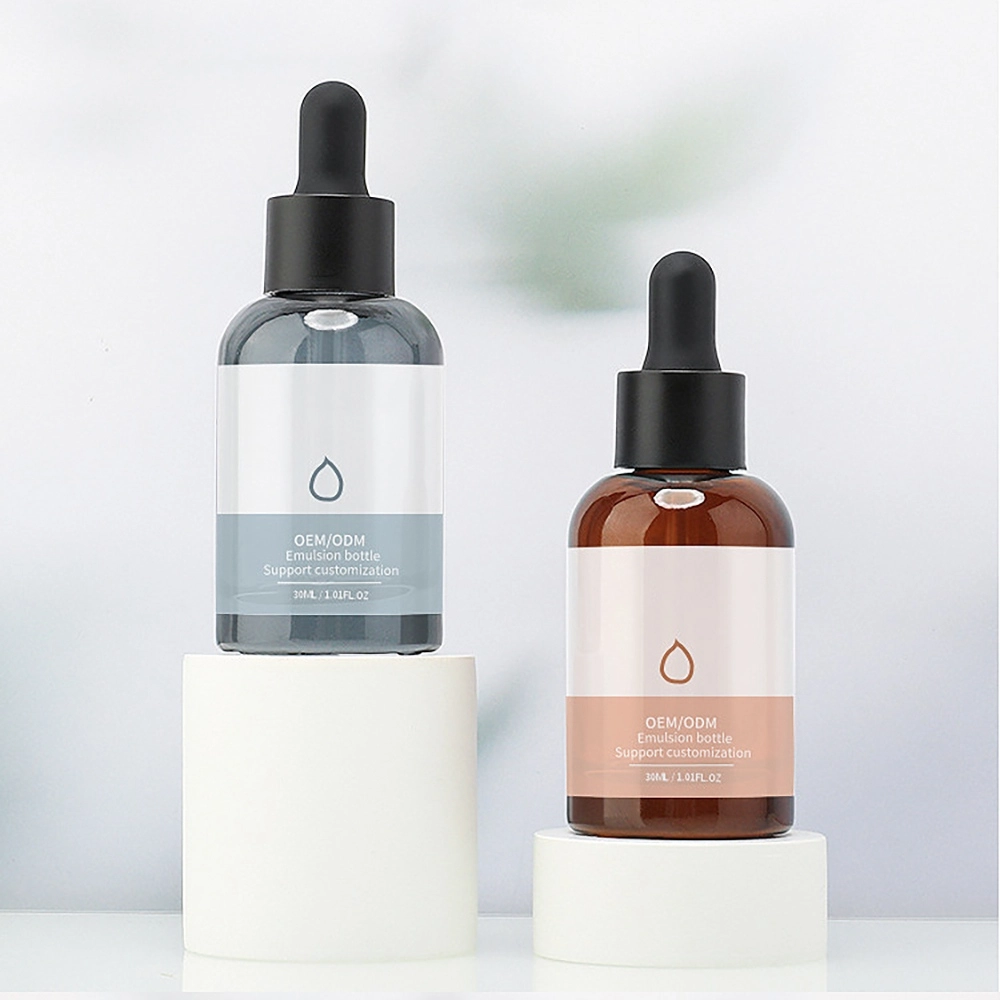
If you want a flexible, common choice, the Custom Logo 30ml Round Shoulder Glass Bottle Dropper for Skin Care Serum gives the best mix of space and easy hold. Its round sides let the tube reach nearly all the liquid, cutting waste, which many say about heavy oils that do not flow to the middle well.
The glass weight feels high-class in the hand, and the special area lets you add frost or light cover. These are not just for show; they add guard against light, the main foe of oil strength. Such features make the product last longer and look better.
Scaling for Different Product Lines
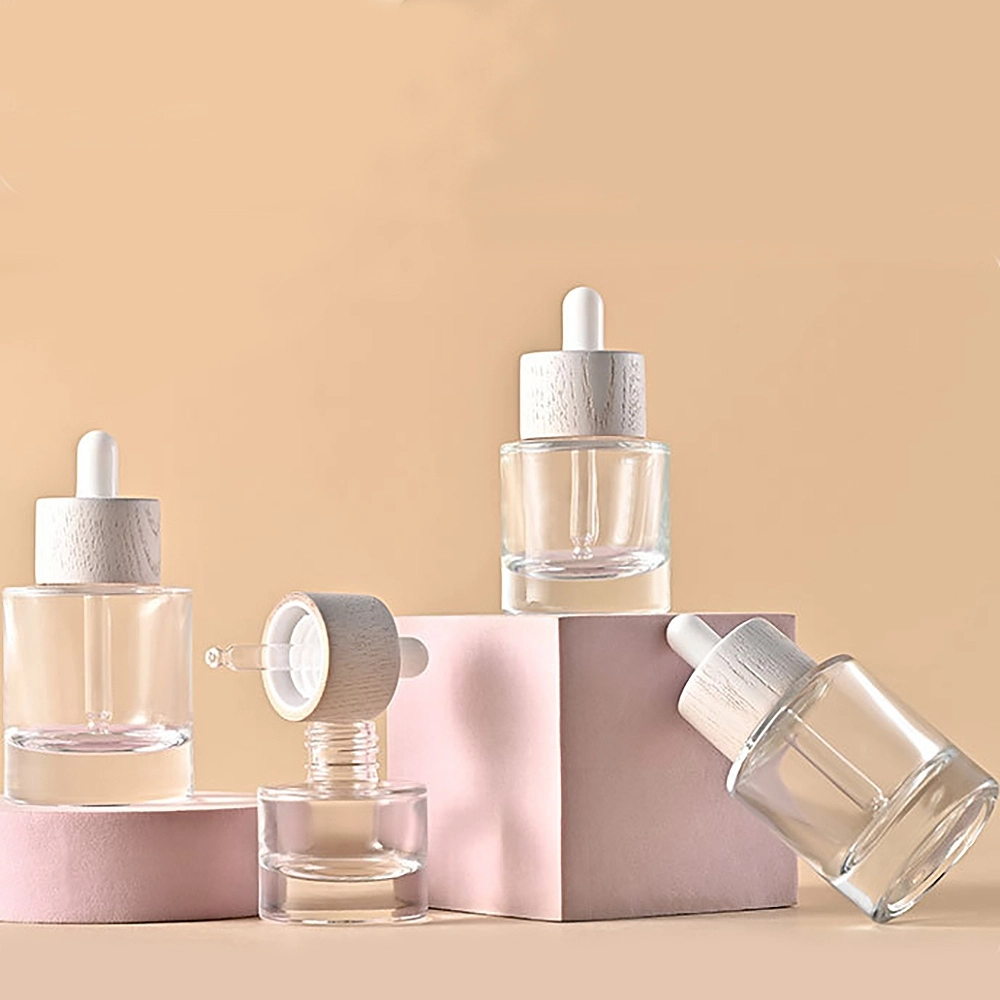
Not all items need 30ml room. Some strong add-ons or rare oils use smaller holders to keep fresh and set a high price. In those spots, the Hot Selling Small Capacity 20ml-50ml Glass Bottle with Dropper gives the change you want.
These bottles stand up to push changes inside from moving or heat shifts. When you use heavy oil, the close between the dropper top and glass edge must block air fully. A small off in a low-cost bottle causes drips that harm tags and outside packs. Picking a trusted, popular glass type makes sure the top sizes stay the same, giving a no-drip feel for buyers around the world. This reliability helps your sales grow.
Aesthetics and Brand Identity
Work side comes first, but the look of your dropper setup shows your company’s worth. You can pick plastic, metal, or wood covers to fit your style.
For a clean or doctor look, a plain ridged plastic top works well. For a fancy spa set, a metal shell in gold or silver adds feel and shine that buyers link to top results. You should think about how clear the tube is too. See-through, strong glass lets the oil’s color show, like blue from chamomile or gold from argan, proving the clean parts inside. This visual helps sell the purity story.
Comprehensive Service and Manufacturing Support
Choosing the best dropper takes skill, and you should not do it by yourself. A good maker gives more than a list; they give help with fit tests and change tips.
Customization and OEM Capabilities
Your company stands out, and your package should show it. From print to stamp, adding your sign right on the glass makes a full look. Modern making spots let you change colors on bulbs and tops, so your item pops on a full shelf or online post.
Past the sights, a sure partner gives OEM services. This means if you need a set thickness, the maker can change the pull on NBR bulbs or the hole size on tubes to fit just right. This care stops user gripes and send-backs later. It also speeds up your launch time.
Quality Control and Reliability
In glass and rubber work, check quality is all. You need to know every bottle in your big order will act like the one you okayed. This takes hard tests for:
Suction Consistency: Making sure the bulb pulls the same amount each time.
Verticality: Looking to see the tube sits straight in the bottle, not tilted.
Seal Integrity: Checking for drips under air pull.
By putting work on these facts, you guard your spend and make buyers trust you. A dropper that does right every use becomes part of the daily step, showing the oil’s good quality. Over time, this leads to repeat buys and good word spread.
SSS
Q: Why does my essential oil dropper bulb feel sticky or “melted” after a few months?
Bir: This is usually due to a chemical reaction between the essential oil vapors and the bulb material. Standard rubber or low-grade silicone can degrade when exposed to certain oils. To prevent this, you should use NBR (Nitrile) bulbs, which are specifically designed to resist oil-based degradation. This simple switch can extend the life of your product significantly.
Q: Can I use the same dropper for a water-based serum and a thick essential oil?
Bir: It is not recommended. Thick oils require a pipette with a wider opening and a bulb with stronger suction (higher Shore hardness). A dropper tuned for water will struggle to pull up thick oils, leading to incomplete doses and user frustration. Always match the tool to the liquid type for best results.
Q: How do I know if the 30ml bottle size is right for my serum?
Bir: The 30ml size is the industry standard for a 30-day supply of serum (using 1ml per day). If your product is a highly concentrated “spot treatment” or a very expensive essential oil, a 20ml or 15ml bottle might be more appropriate to preserve freshness and lower the entry price for customers. Consider your usage pattern when deciding.