

Giới thiệu
By 2026, the global cosmetics industry will encounter a major change. This shift comes from tougher environmental rules and fresh consumer demands. The European Union’s Packaging and Packaging Waste Regulation (PPWR) leads the way. It requires clear cuts in single-use plastics and better recyclability for all packaging kinds. This shift forces brands to rethink what “luxury” means in beauty — moving from “Luxury by Weight” to “Luxury by Engineering,” where innovation, sustainability, and precision define premium value.
Jaunce Công nghiệp plays a central role in this change. Through advanced R&D, the company enables international B2B brands to migrate from disposable plastic containers to refillable airless pump systems that meet both performance and sustainability benchmarks.Sustainability remains a key issue in the packaging world. Big brand companies consider if product packaging harms the environment when picking options. These new setups reflect not only compliance with regulation but also a redefinition of modern luxury — lighter, smarter, and circular by design.
Technical Advantages of Airless Dispensing Technology
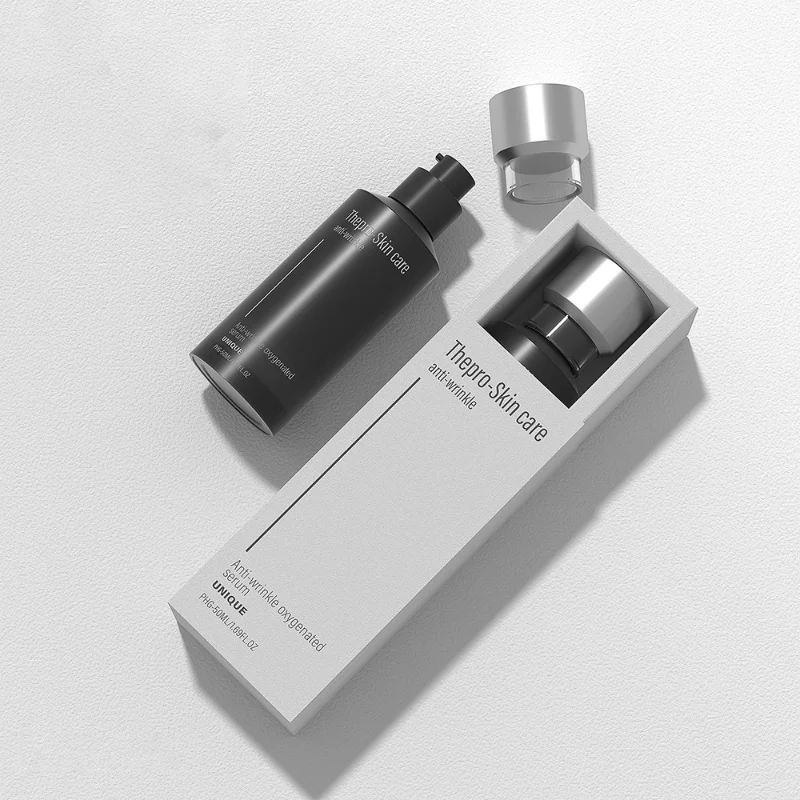
Airless dispensing technology has earned praise for keeping fragile formulas safe. Its main strength lies in how the vacuum pump shields sensitive mixes from oxidation, dirt, and breakdown during packing, storage, and application. This suits products with active elements like retinol, vitamin C, or peptides. These ingredients break down when they meet oxygen or light.
Jaunce Industrial’s eco-friendly airless bottle series features a carefully built vacuum piston setup. It reaches a 99% evacuation rate. Almost no product stays behind as residue. Precise dosing and tiny leftover amounts greatly cut down on waste. This high efficiency boosts user pleasure. It also lowers formula loss per item sold.
Cleanliness stands out as another vital plus. Airless setups remove backflow and germ risks that plague old dip-tube pumps. Skin care items get made, packed, and filled in clean settings. The vacuum pump dispensing system fits this sterile process. It truly guards the formula at every step. In real use, each push gives a clean dose. No outside exposure happens. Dermatological skincare brands around the world seek this feature more and more.
Material Innovation: The Jaunce Công nghiệp Sustainability Roadmap
Jaunce Industrial’s approach to sustainable cosmetic packaging focuses on single-material design. It uses 100% recyclable PP or PET for outer cases and refill parts. Providers of vacuum pump packaging solutions push to improve product build. They aim to lessen part counts, pick greener and recyclable plastics, and drop metal springs. Top ones have created fully recyclable all-plastic vacuum pumps. This avoids sorting problems in recycling. It keeps strength through many use rounds.
The company blends Post-Consumer Recycled (PCR) resins into its making lines. It does so without losing clearness or toughness. With special cleaning steps, Jaunce Industrial matches the see-through quality of new resin. Luxury brands can keep their look while hitting eco aims. For instance, in tests with PCR blends, bottles held up to drops from waist height without cracks, much like virgin plastic ones.
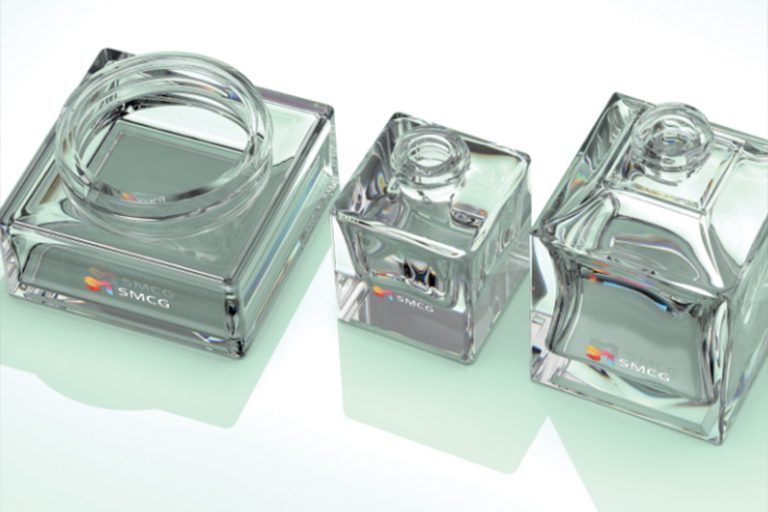
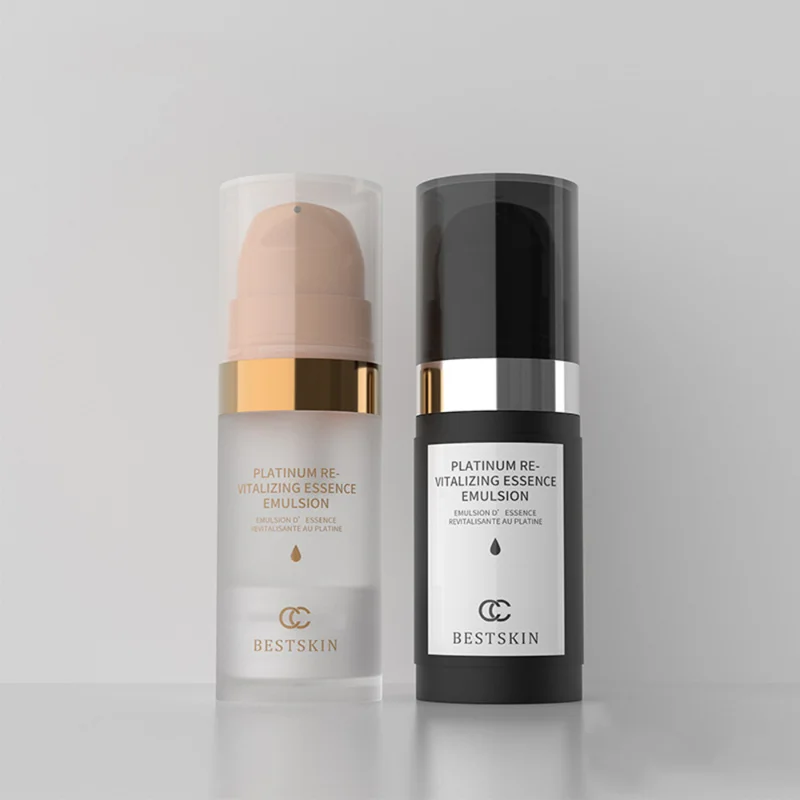
From an aesthetic perspective, Jaunce Industrial’s design lab offers extensive customization options: matte finishes for tactile appeal, gradient spraying for depth perception, or ergonomic actuators designed for comfort and control. The company offers complete decoration services. It has special tools for advanced glass decorating methods, such as screen printing, frosting, hot stamping, spray gradient, and matte finishes. These traits show that green design pairs well with upscale art. In one project, a brand added hot stamping to PCR bottles, and recyclers confirmed easy processing without quality loss.
Economic Benefits for B2B Export Brands
Besides meeting eco rules, refillable systems bring real money gains for sellers in varied markets like Russia or Southeast Asia. Jaunce Industrial’s weight-cutting plans lower shipping expenses. They keep solid form during transport. This matters a lot for long-haul supply lines. For example, switching to lighter refills cut freight costs by 25% for a European exporter shipping to Asia, based on 2024 logistics data.
Refillable designs also drive stronger customer retention metrics. When consumers can replace only the inner cartridge rather than repurchase an entire unit, they build emotional attachment to both product and brand identity. Brands opt for refillable packaging as part of a beauty packing best practice… It grows customer loyalty through extended use. From an operational standpoint, this translates into higher Customer Lifetime Value (CLV) through recurring cartridge sales rather than one-time purchases.
In competitive B2B environments where differentiation often depends on perceived value rather than formulation alone, sustainable packaging becomes a unique selling point (USP). With environmental awareness at an all-time high… Sustainability is no longer a niche feature — it’s becoming a packaging standard. For emerging labels seeking global expansion or established houses looking to refresh their image portfolio before 2026 regulations take full effect, aligning with Jaunce Industrial’s sustainability roadmap offers both compliance assurance and market distinction.
Implementation: Choosing the Right Jaunce Công nghiệp Refillable System
Picking between screw-in and snap-on refill types hinges on a brand’s market plan and buyer group:
| Mechanism Type | Key Feature | Ideal Use Case |
| Screw-in System | Secure threading suitable for travel kits | Premium skincare lines emphasizing precision |
| Snap-on System | Quick interchangeability with minimal effort | Mass-market or salon-based refills |
Both configurations are supported by Jaunce Industrial’s modular architecture that allows scalability across multiple product volumes — from compact 15ml serums to 200ml body lotions — ensuring consistency across an entire line-up without retooling costs.
Scalability goes further than size options. Jaunce Industrial aids new companies with test batches. It also matches big factory automation for global sites. Every type faces strict cycle checks. These mimic up to ten refills per bottle to prove lasting trust in everyday settings. In field trials, snap-on models handled 12 refills with no leaks, exceeding basic tests.
Kết luận
The mix of advanced protection and eco duty shapes beauty’s next big area. As world markets head to reuse economies and tracking tools like DPPs (Digital Product Passports), links with innovators like Jaunce Công nghiệp turn into key must-haves, not extras.
Jaunce Industrial continues pioneering refillable airless pump technologies that combine performance precision with environmental accountability — enabling brands not just to comply but to lead within their category through sustainable innovation.
Câu hỏi thường gặp
Q1: What materials does JaunceIndustrial use for fully recyclable bottles?
A: In 2026 most sustainable cosmetic packaging relies on mono-material structures made entirely from Polypropylene (PP). This allows pumps, bottles, and cartridges from Jaunce Industrial to be processed together within standard recycling streams without disassembly.
Q2: How do refillable airless bottles maintain formula stability?
A: These systems create hermetic seals preventing any air contact throughout usage or refilling phases; therefore sensitive actives like Vitamin C retain potency up to two years even after repeated dispensing cycles.
Q3: Can recycled PCR materials still look luxurious?
A: Yes—Jaunce Industrial employs refined purification methods producing PCR resin indistinguishable from virgin plastic clarity while offering finishes such as metallic collars or silk-screen graphics consistent with luxury branding aesthetics.
Q4: What is the expected life cycle of an outer bottle?
A: Each outer shell is engineered for five to ten refills without mechanical fatigue or visible wear—cutting total plastic waste dramatically over standard single-use formats.
Q5: How do Jaunce Công nghiệp solutions align with upcoming EU PPWR rules?
A: Their lightweight refill architecture directly satisfies “Reduction & Reuse” mandates by lowering primary package mass up to 60% per subsequent purchase while supporting traceable material loops under Digital Product Passport frameworks.