

The beauty world is currently going through its most massive change in decades. As you look toward the 2025-2026 market season, moving from just pretty packaging to “kind luxury” is no longer a choice—it is a way to stay alive in a crowded market. Today’s shoppers are very smart; they check labels for carbon footprint facts and feel the weight of a container to see if it is truly good for the earth. Two materials have come out as the clear winners in this green race: Glass and Post-Consumer Recycled (PCR) plastics.
Before we jump into the deep details of these materials, you need a partner who connects the dots between high-end making and earth-friendly building. When you work with Jaunce Industrial, you aren’t just picking a seller; you are teaming up with a group that has spent years working hard to perfect the mix of fancy beauty and eco-duty. Think of them as your behind-the-scenes expert crew—the pros who make sure that when your shopper holds your product, they feel both the top-notch quality and your brand’s promise to the world. From smooth glass shapes to strong PCR materials, they offer the solid build your liquids need while keeping the beauty your ads require. They act fast, think about the whole world, and treat your brand’s green goals like their very own job.
The Lasting Value of Glass in a World That Recycles
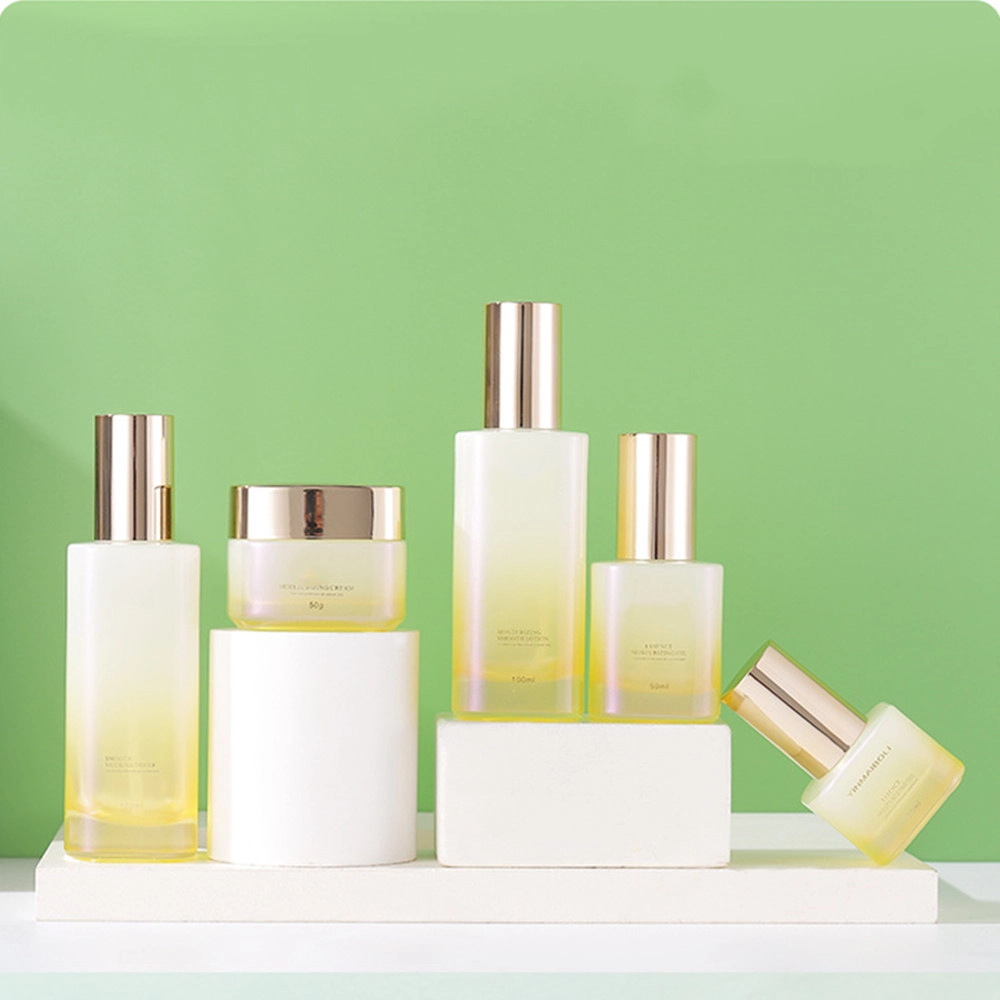
When you pick glass for your skin creams or perfume lines, you are putting money into a material that defines the idea of “using things over and over.” Unlike many other materials that get weaker or uglier every time they go through a recycling factory, glass has a special power to be fixed forever. It can be melted down and turned into something new a thousand times without losing its clear look, its toughness, or its clean feel. This makes glass the most “truthful” material your brand can use today.
Beyond being great for the planet, glass offers a chemical safety that is super important for high-performance skin products. If your liquid has active bits like Vitamin C, Retinol, or natural oils, you need a wall that stops chemicals from leaking in or air from ruining the mix. Glass gives you a surface that has no tiny holes, which makes sure your product stays just as strong on the day it is bought as it was the very first day it was put in the bottle.
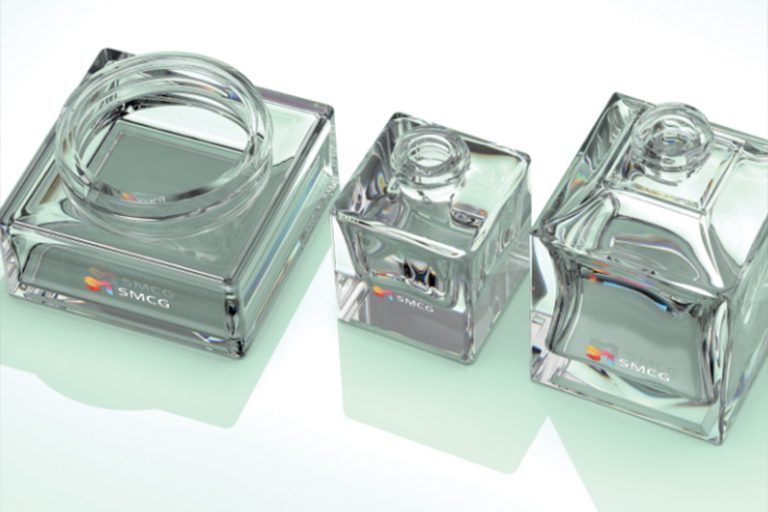
For those people who want to start a matching line of products, the Skincare Set Bottle Quartet Essence Liquid Bottle shows the best part of this glass-loving way of thinking. This set lets you keep a single, beautiful look across different steps of a beauty routine—like toners, liquids, and thick serums—while using the heavy weight and cool-to-the-touch feel of glass to tell everyone this is a high-value item. By choosing a set of four, you make your buying process much easier and give your customers a special daily habit that feels solid, expensive, and permanent.
The Growth of PCR Plastics: Making the Circle Complete
While glass is amazing for sitting on a bathroom shelf, brands that focus on an active lifestyle often need the tough and light feel of plastic. This is where Post-Consumer Recycled (PCR) plastic changes the whole story for 2025-2026. PCR isn’t just “something you can recycle”; it is more like plastic that has been “born again.” It is made from old milk jugs, water bottles, and boxes that shoppers already threw away, saved from the trash piles, and cleaned up into high-quality material.
Using PCR materials lets you stop leaning so hard on new plastic made from oil. It cuts down the carbon footprint of your boxes and bottles by a huge amount—sometimes up to 60%—because the heat and power needed to fix old plastic is way lower than making it from zero. For you, the person running the brand, this is a fantastic story to tell. You can tell your fans exactly how much plastic you saved from the blue ocean or the stinky landfill just by picking a PCR tube or a recycled bottle.
Vacuum Tech and the Clean Beauty Wave
As the “Clean Beauty” movement gets more and more popular, brands are taking away harsh fake chemicals that keep products from rotting. However, taking those out makes the liquids very weak against air and tiny germs. This hard technical problem is solved by using airless (vacuum) packaging.
Vacuum bottles do not use a long straw like old spray bottles. Instead, they use a clever little pump and a moving floor to create a space with no air. Every single time your shopper pushes the top, the inside floor moves up, pushing the cream out and keeping the rest locked away from the outside air. This setup makes sure that 99% of the stuff comes out, meaning your fans get every tiny bit they paid for. This really helps people stay loyal to your brand because they feel they got their money’s worth.
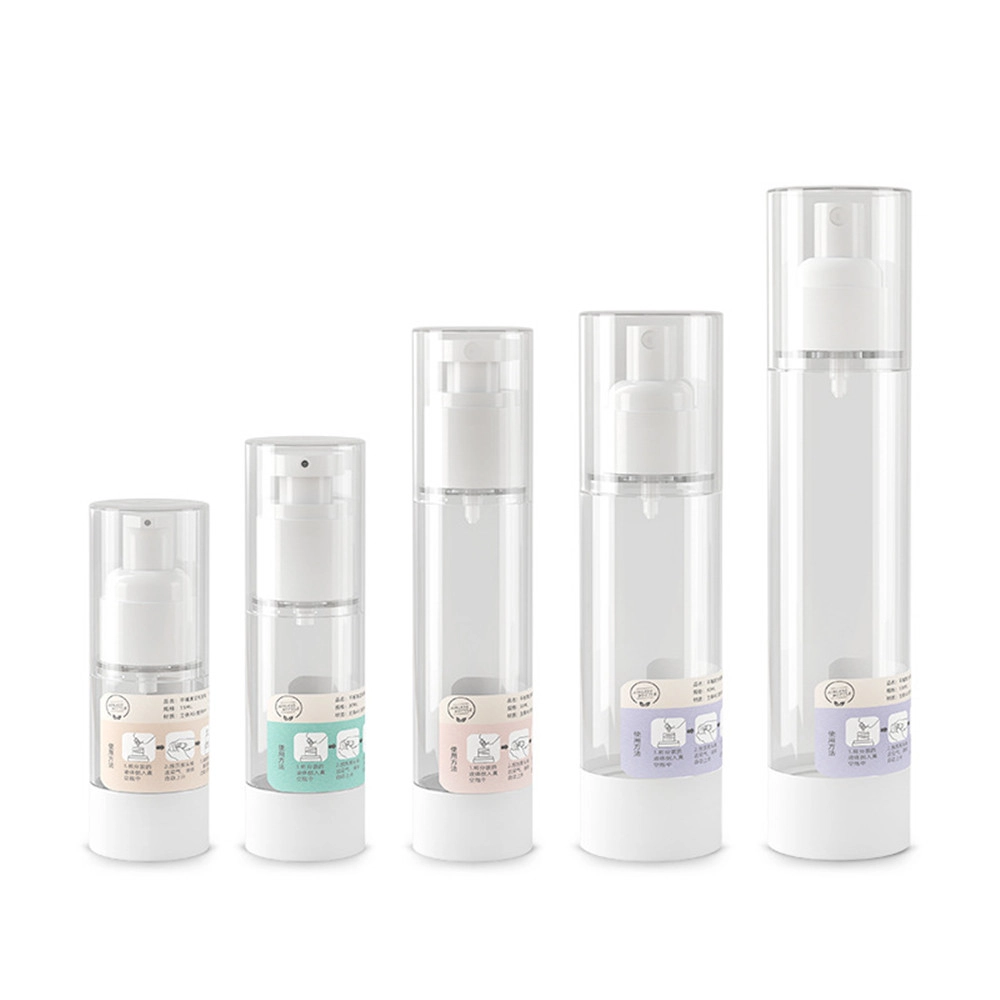
If you are hunting for a flexible choice that works for both pros and regular stores, the 15ml-100ml AS Vacuum Bottles For Cosmetic Packaging provide the right mix of work and style. These bottles are especially great when you use them with PCR materials. The AS outer shell gives a see-through look that looks almost like glass, while the inside vacuum part keeps your natural serums safe from going bad. Offering sizes from 15ml to 100ml lets you grow your product from tiny travel testers to big, main products without ever changing how they look on the shelf.
Deciding Between Plastic Tubes and Glass Jars
Picking whether to use a bendy plastic tube or a hard glass bottle usually comes down to how thick the liquid is and where the person is using it. For the years 2025 and 2026, the big trend is moving toward “Mixed Collections.” This means using heavy glass for the expensive serums used at home in the morning, and using PCR plastic tubes for sunblocks or hand creams that need to be tossed into a gym bag or a purse without breaking.
When you create a plastic tube today, you should focus on using just one type of material. In the old days, tubes were made of many layers of different plastics, which made them impossible to recycle. Now, you can choose tubes made of 100% one type of plastic. These can be thrown right into normal recycling bins, making the end of the product’s life very simple for your shopper. Your main goal should be to make “being green” as easy as possible for the person using your stuff.
Protecting Your Brand’s Future With Pro Help
The world of packaging is moving incredibly fast, with new rules about plastic taxes and recycling laws coming out every single year. To stay in front of the crowd, you need more than just a box of empty bottles; you need a smart plan for how you make things. This involves picking materials that follow all the global laws and choosing looks that don’t waste stuff when you decorate them—like using inks made from beans or coatings made with water instead of heavy shiny metals.
Moving to green packaging is a long walk made of small, smart choices. Whether it is moving a popular serum into a vacuum bottle to make it last longer or putting a fancy cream into a heavy glass jar to make it feel like a gift, these choices show the world what your brand stands for in the coming years. By looking at the natural strength of Glass and the fresh power of PCR, you put your brand in the lead for the next age of beauty.
FAQ
Q: Will using recycled PCR plastic make my packaging look dirty or unclear?
A: High-quality PCR can look very clear, though it might sometimes have a tiny, warm tint. Many brands actually like this look now because it proves to the shopper that the bottle is really made from recycled trash.
Q: Is glass much more expensive to send to customers than PCR plastic?
A: Yes, glass is heavier and needs more bubble wrap or extra boxes so it won’t break, which can make shipping cost more. However, because glass looks so expensive, you can often sell the product for more money, which covers the extra shipping cost easily.
Q: Can airless vacuum bottles be recycled in a normal bin?
A: Old vacuum bottles with metal springs were hard to recycle. However, the newest designs are often made without metal or are very easy to pull apart, which makes them much better for the recycling systems we use today.