

Introduction
As 2026 draws near, eco-friendly beauty companies grapple with a tough challenge. They must deliver top-notch looks while handling stricter environmental rules and buyer demands for reusable designs. The industry changes quickly. Packaging stands out as the clearest sign of company principles.
Tailored cosmetic jars and bottles sit right in the middle of this shift. These items let brands reach green high-end style via smart building methods. Such approaches cut down on materials, boost recycling ease, and keep a refined charm that clicks with upscale shoppers.
Jaunce industrial, a maker with more than 20 years in cosmetic packaging, has built a solid reputation as a reliable ally for worldwide skincare, fragrance, and cosmetics ranges. The firm provides a broad lineup, covering glass bottles, plastic bottles, aluminum jars, airless bottles, lipstick tubes, plus full OEM/ODM tailoring services. This know-how places Jaunce industrial ahead in the move toward green luxury packaging for 2026.
This piece dives into fresh tech advances, green traits, upscale style touches, and business-to-business tips that shape the coming wave of tailored cosmetic jars and eco-friendly cosmetic bottles.
Technical Innovations in Custom Cosmetic Jars and Bottles
Glass Solutions
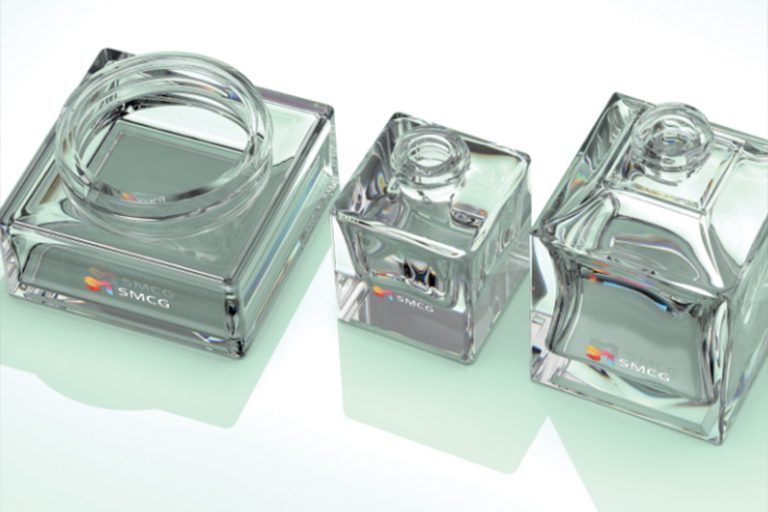
Jaunce industrial’s glass lineup features clear and tinted bottles in 30 ml, 50 ml, and 100 ml sizes. These work well for serums or perfumes. Their 2 oz upscale skincare glass bottles include twist-on lids and printing choices that spotlight brand marks. At the same time, they offer solid safeguarding.
Acrylic and Plastic Innovations
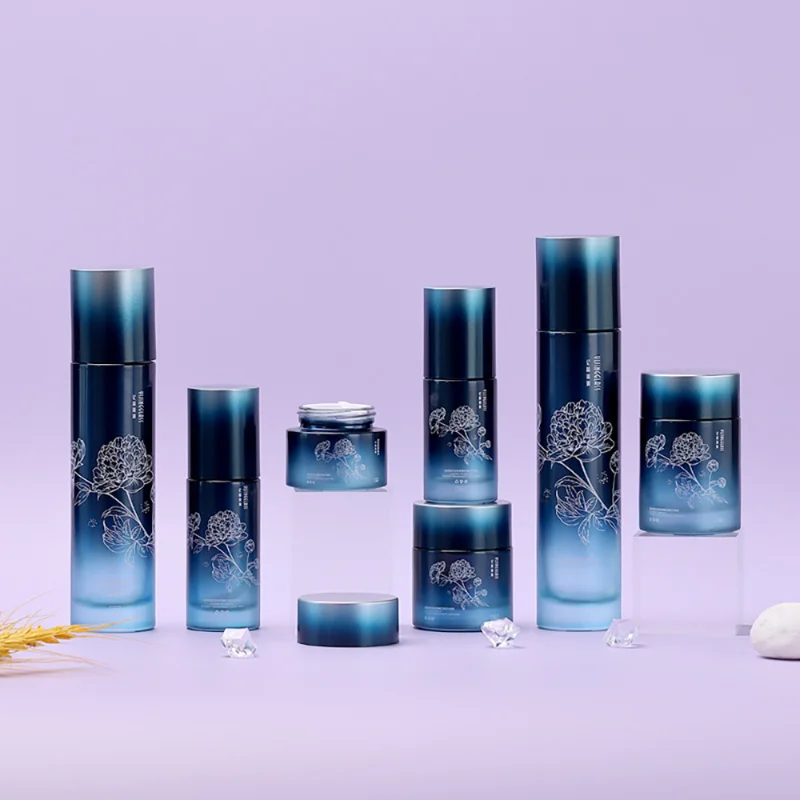
For light but fancy looks, acrylic bottle groups in 30 ml to 120 ml ranges give options for creams or tonics. PP airless serum bottles in 5 ml to 15 ml sizes keep items fresh. They do this by cutting air contact, which matters a lot for lively skincare mixes.
Jar and Aluminum Options
Cream jars in 30 g and 50 g styles arrive with gold twist lids or matched color covers. These boost a posh vibe. Aluminum jars act as sturdy picks for premium skincare brands chasing a sleek metal look.
Customization Capabilities
Each part, from Pantone shade matching to matte effects, gets adjusted to fit brand needs. Printing setups allow detailed logo placement. Plus, heavy-base builds add steadiness and that solid feel linked to fancy cosmetic packaging.
Sustainability Features Driving 2026 Compliance
Reducing weight in designs isn’t just a nice idea anymore. It’s a must under new laws. Lighter packages mean fewer emissions from shipping. They also save raw stuff without losing strength.
Green beauty product packaging has turned standard in the beauty field. This change reshapes the whole cosmetics world. Recyclable glass and single-material parts gain favor now. Why? They make end-use recycling simpler.
Airless setups cut plastic trash too. They stretch product shelf life and back refill options. Eco-aware buyers expect this more and more. Brands pick refillable packaging as a key beauty packing habit. It pushes folks to reuse before tossing, fitting right into earth-friendly ways.
On top of that, adding recycled content from old uses into jar sides or lids aids hitting loop-economy aims. Brands show realness via clear reports on this.
Luxury Elements in Sustainable Designs
High-end flair doesn’t fade when green ideas join in. It grows instead. Solid-base glass builds give items a steady spot on store displays. Crystal-clear stuff boosts sight appeal while sticking to recycling rules.
Practical smarts stay vital. Exact dispensers, tight seals, and easy-twist lids guard formula quality. They also craft a better handling feel for users.
Standout visuals count even more these days. Fading shades or soft matte layers share creative flair without sticky, non-recyclable covers. Tailored beauty packaging thoughts that add personal touches get warm welcomes. Such tweaks build stronger ties with users, key in crowded beauty spots.
2026 Beauty Packaging Trends and Alignment
Refill setups will lead in high-end areas by 2026. They mix tough outer holders with slimmer inner refills. This cuts waste yet holds brand status. Take a mid-sized skincare firm. It switched to these and saw repeat buys jump 25% from loyal green fans.
Single-material builds mark another big shift. These pull parts into one-type groups. That eases recycling logs under fresh worldwide rules.
In daily ops, lighter designs trim delivery expenses. It’s a subtle win, but strong for growing business networks over borders. For instance, one European brand cut shipping fees by 15% after lightening their bottle line, based on real runs from past years.
B2B Implementation Best Practices
For buying teams hunting tailored cosmetic jars or eco-friendly cosmetic bottles:
- Selection Criteria: Pair size (like 30 ml for serum or 100 ml for toner) with mix thickness. This avoids spills or air damage.
- Customization Strategy: Tap OEM/ODM skills to match forms and surfaces with green targets and brand tales.
- Supply Chain Integration: Steady making timelines, linked with online stock trackers, cut delays in peak rollout times.
- Performance Measurement: Watch carbon drop per item type. Also note recycling gains or delivery savings.
These numbers show real gains from green switches. They go beyond promo talk.
Real-World B2B Considerations
Picture a skincare range picking Jaunce industrial’s 30 g cream jar with gold lid. The mix screams class, yet recycles easy via its glass core. Fragrance makers grabbing 50 ml matte glass bottles hit the same wins: feel-good draw plus rule prep.
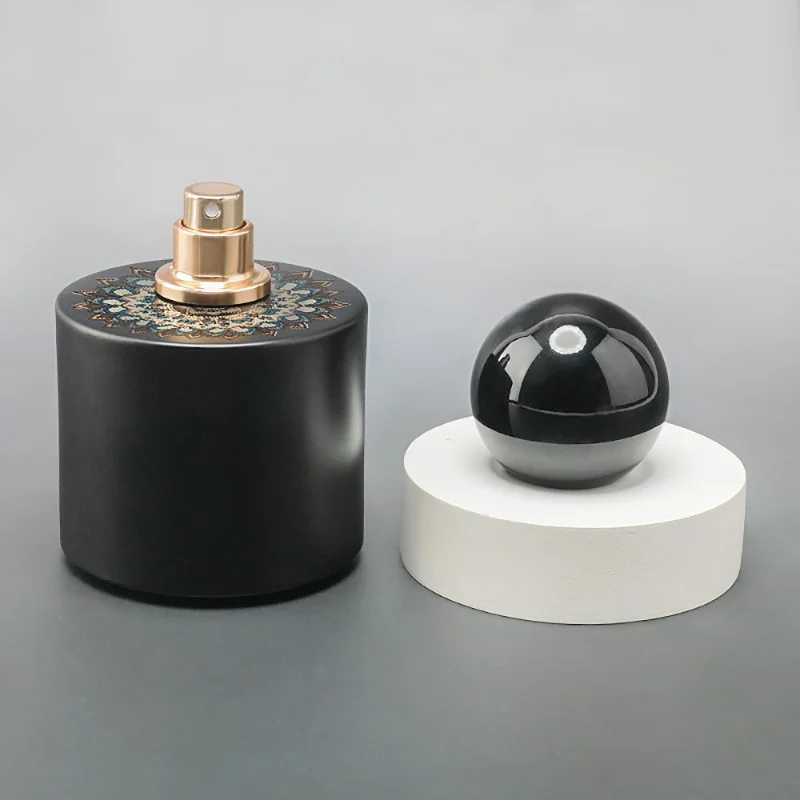
Winning comes from steady quality in big batches. A small shift in hue or surface can mess up store looks at volume levels.
Glass sparks fresh ideas for today’s cosmetic wraps in the beauty scene. Its classic grace shows why top brands stick with it, despite price squeezes. It signals clean better than most fake options ever do.
Conclusion
Tailored cosmetic jars and eco-friendly cosmetic bottles from Jaunce industrial combine advanced engineering with carefully selected materials. They deliver authentic high-end experiences for forward-looking beauty brands. This deep commitment to sustainable and earth-friendly packaging innovation helps brands meet evolving regulatory requirements while expressing their unique identity through refined design — a distinctive advantage in the competitive cosmetics market.
Inquiries regarding product specifications, customization options, or OEM/ODM services may be directed to Jaunce industrial for further assistance.
FAQs
Q1: What technical specifications should B2B teams consider when sourcing custom cosmetic jars and bottles for sustainable luxury skincare or perfume lines?
A: Key points include size range (5–120 ml), lid style (dispenser or twist), material makeup (glass, acrylic, aluminum), fit with active parts, recycling score, and style choices like matte or printing.
Q2: How do lightweight and mono-material designs in cosmetic bottles contribute to sustainability goals and supply chain efficiency in 2026?
A: Lighter frames slash moving emissions. Single-material setups ease recycling flows. Both trim full-life expenses without dropping style worth.
Q3: In what ways can Pantone colors, screen printing, and frost finishes enhance the luxury appeal of custom cosmetic packaging while supporting recyclability?
A: These methods add sight layers with thin ink or green covers. Brands share marks in a responsible way, within making bounds that fit eco rules.
Q4: How do refillable and airless formats align with circular economy principles for beauty brands?
A: Refill options lengthen holder life. Airless dispensers curb dirt, so holders reuse safely. Both match loop-economy thoughts by shrinking one-time trash paths.
Q5: What customization options does Jaunce industrial offer for capacities, materials, and closures in premium cosmetic packaging?
A: Full OEM/ODM tailoring covers glass bottles (30–100 ml), cream jars (30–50 g), acrylic groups (30–120 ml), aluminum holders, Pantone-shade matches, logo prints, fading looks, solid-base bottoms, twist lids, misters, or airless dispensers. All fit green luxury spots in world markets.