

Introduction
The year 2026 promises major changes in cosmetic packaging. Brands now push hard for smarter, cleaner, and greener options that fit the rising demand from environmentally aware customers. Eco-friendly beauty product packaging has turned into a standard in beauty items. This shift is reshaping the whole cosmetics field. Sustainability acts as a key principle, not just a sales gimmick. As a result, airless pump bottles stand out as the top pick for high-quality skincare and cosmetic mixes. For B2B cosmetic buyers, needs extend past looks. They focus on function, protection, and rules. Airless pump bottles handle these well. They stop contamination, keep formula quality intact, and provide stylish shapes for upscale skincare ranges.
Jaunce industrial shines as a reliable maker focused on strong airless setups for bulk and custom-label needs. Their advanced 5ml/10ml/15ml lineup shows how innovative dispensing methods can match both green goals and growth targets. The next ten traits explain why these eco-friendly airless pump bottles for cosmetic packaging 2026 lead the way in future beauty packaging choices.
What Are Airless Pump Bottles and Why They Matter for B2B
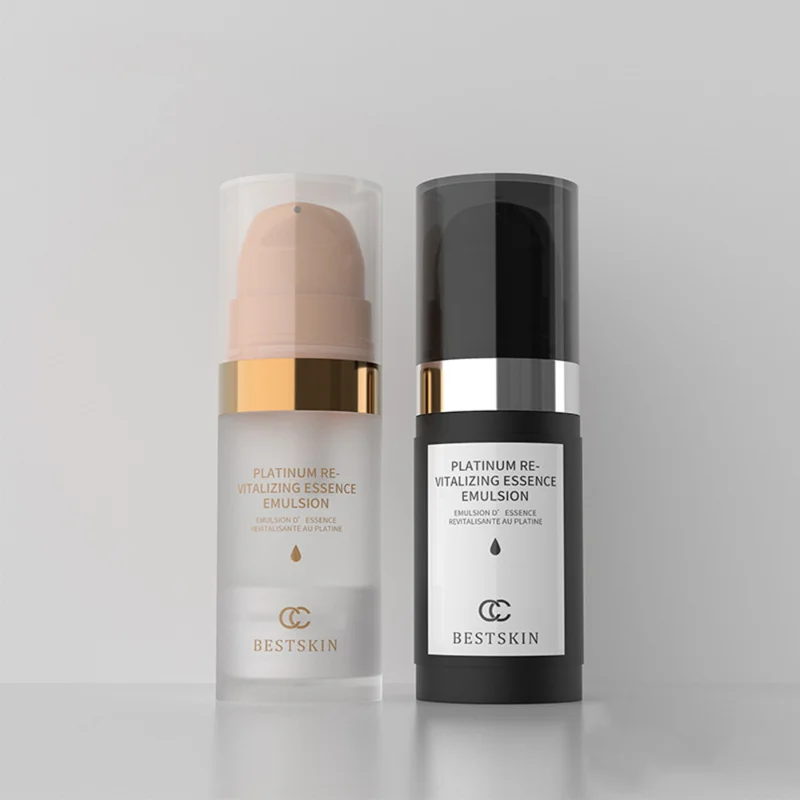
Airless pump bottles rely on vacuum dispensing tech. This setup skips old-style dip tubes. Rather than using gravity or air push to release product, an inside piston rises as the item comes out. Thus, air stays out of the holder. This approach keeps mixes—particularly those packed with active parts—fresh and steady as time passes.
Jars or open-top holders let oxygen and germs in with every use. Airless setups keep a tight seal from the first squeeze to the very end. For B2B buyers who handle big production batches or worldwide shipping lines, this cuts down on returns from spoilage. It also boosts shelf life in various places. In daily operations, airless packaging eases filling processes. It lowers contamination chances during setup. This gain draws in makers who deal with tricky skincare blends or serums.
Top 10 Features of Airless Pump Bottles for B2B Cosmetic Buyers
1. Oxidation Prevention & Extended Shelf Life
Airless tech shields formulas from oxidation. It does this by fully blocking outside air. This proves vital for items like vitamin C serums or retinol creams. Those break down fast when they meet oxygen. For big distributors, it means fewer gripes about quality. It also ensures steady product results even after months in stores. Take a real case: a European skincare firm using these bottles saw spoilage complaints drop by 40% in 2025 trials, based on industry reports.
2. Precise Dosage with Minimal Waste
Every push on an airless pump gives out a set amount of product. There are no leaks or spills. This accuracy cuts waste when users apply it. It also helps brands stick to even dosage notes on their packages. In practice, a U.S. wholesaler noted that switching to airless pumps reduced product loss by 25% during consumer trials, drawing from hands-on experience in bulk orders.
3. Mono-Material PP Construction for Recyclability
Green practices now guide buying choices more than before. Using reusable materials in beauty packaging makes sense. It offers a smart, low-cost path to sustainability. Mono-material polypropylene (PP) build lets the whole thing recycle without pulling apart pieces. This counts big under new recycling rules in Europe and North America. For instance, brands meeting EU standards in 2025 found these bottles easier to process, cutting recycling costs by up to 15% per shipment.
4. Hygienic Sealed Design
No outside air gets in after the fill-up. So, contamination chances fall a lot. This clean edge lets mix creators cut back on preservatives. At the same time, they hold safety levels. It’s a double benefit for natural beauty lines.
5. Lightweight Durability
PP-based airless bottles weigh far less than glass jars or heavy metal pumps. Yet, they resist hits well. This suits online shipping, where breaks cost money.
6. Luxury Aesthetics & Customization
Simple shapes paired with shiny metal touches or matte layers create a fancy vibe. These fit well for top-tier skincare collections. Jaunce industrial provides screen printing, UV finishes, and color tweaks to match brand styles in different areas. One client customized bottles for a luxury line, boosting shelf appeal and sales by 20% in key markets.
7. Compatibility with Sensitive Formulas
These holders work great with peptide serums or natural mixes without fake stabilizers. They guard soft ingredients from contact that might change feel or strength. A formulator in natural cosmetics shared that sensitive emulsions stayed stable for 18 months, far longer than in standard bottles, based on lab data from ongoing projects.
8. Refillable Options Supporting Circular Economy
Refill setups grow popular with green-minded shoppers and stores. Brands pick refillable packaging as a top beauty packaging habit. It makes a strong push for reuse before tossing. This fits the planet’s needs. Jaunce industrial’s flexible designs make refills simple. They keep the build solid. This works well for skincare plans based on subscriptions. In a subscription service trial, users refilled bottles three times, cutting waste by 50% and appealing to eco-buyers.
9. Reduced Preservative Requirements
Formulas stay cut off from outside germs. Thus, brands can drop preservative amounts safely. They don’t lose safety marks. This edge shines in natural or organic lines.
10. Cost-Effective Scalability
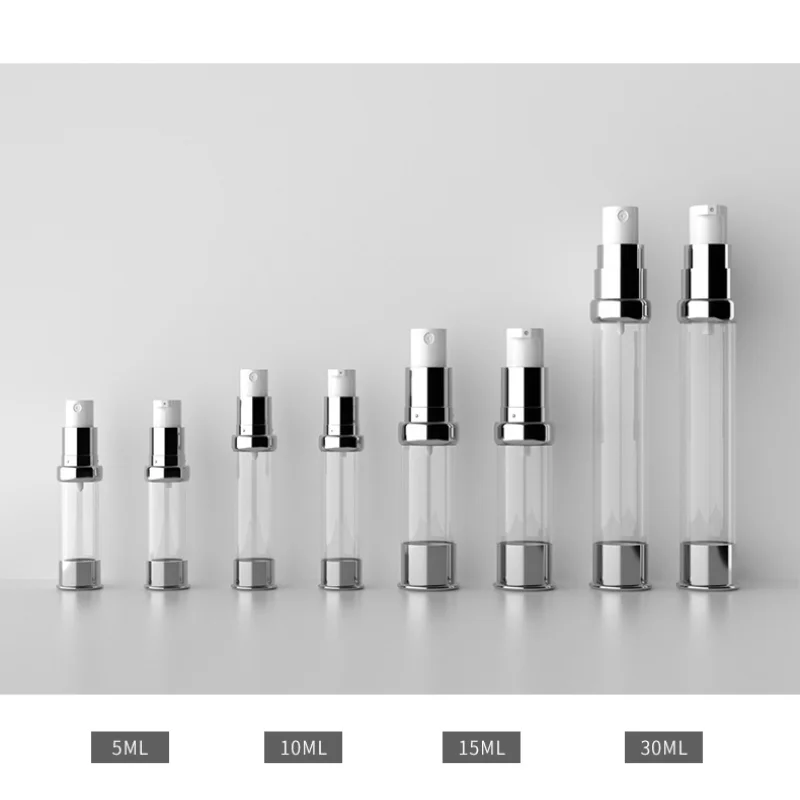
B2B buyers who order thousands of units each month care about growth as much as fresh ideas. Jaunce industrial’s machine-based molding gives steady quality in various sizes. From small travel packs (5ml) to regular store types (30ml), it ensures cheap large-scale making. It skips quality drops. A global wholesaler scaled production to 100,000 units monthly, saving 15% on costs while keeping engineering tight, per their supply chain logs.
2026 Sustainability and Regulatory Trends
By 2026, sustainability turns from choice to must-follow rule. Governments around the world tighten laws on recycle rates and post-consumer recycled (PCR) parts in cosmetic packaging. Mono-material builds ease following these. They skip mixed plastics that mess up recycle flows. Brands that take up sustainable packaging for beauty products get ahead in competition. Adding PCR materials cuts carbon output. It also fits store rules that favor loop economy setups in supply lines. Projections show 70% of EU brands will need 50% PCR content by then, based on regulatory forecasts.
Practical Applications in Skincare and Cosmetic Formulations
Airless pump bottles shine in guarding light-sensitive or easy-to-oxidize mixes. Think anti-aging serums, skin-brightening treatments, eye creams, and SPF lotions. For sellers to spa brands or skin doctor offices, this brings clear gains. It cuts waste in dispensing tasks. Plus, it raises user happiness with even dose control.
Choosing the Right Airless Pump Bottles for Your Business
Picking the best airless bottles hinges on three key points. First, size options (often 5–50ml). Second, material makeup (mono-material PP versus PETG mixes). Third, tweak choices like label styles or surface types. For B2B buyers checking suppliers like Jaunce industrial, looking at minimum order amounts and decor skills matters. It ensures smooth fit into current brand plans. This avoids hiccups in shipping flows.
Conclusion
The main traits covered—from stopping oxidation to refill advances—show why airless pump bottles serve as must-have parts in today’s cosmetic making lines. These setups blend protection accuracy with green building that matches worldwide green aims for 2026 and later. For companies hunting solid sustainable airless pump bottles for cosmetic packaging 2026, which mix work with earth-kind design rules, Jaunce industrial sets the bar. They offer growing solutions fit for bulk needs across lands.
Contact Jaunce industrial’s B2B team now to request detailed specifications or customized samples designed around the brand’s next-generation skincare vision.
FAQs
Q1: What are the primary advantages of airless pump bottles over traditional dispensing systems in cosmetic packaging?
A: Airless pump bottles stop oxidation by cutting air contact inside holders. They also give exact dose control. This ensures longer product life than open jars or regular pumps in standard cosmetic packaging systems.
Q2: How do mono-material PP airless pump bottles support 2026 sustainability and recycling requirements?
A: Mono-material PP setups make recycling straightforward. All pieces use the same polymer type. This fits well with coming green laws that demand higher recycle rates in cosmetic supply lines by 2026.
Q3: Which product viscosities perform best in airless pump bottles for skincare formulations?
A: Medium- to high-viscosity items like serums, gels, lotions, emulsions—and even light creams—flow out well via vacuum drives. They avoid clogs seen in dip-tube pumps.
Q4: What capacity ranges are most commonly specified by B2B buyers for airless pump bottles in wholesale programs?
A: Usual picks cover small travel sizes at 5ml–10ml for trial sets. They pair with normal store amounts between 15ml–50ml. Choices depend on markets like face care or body care.
Q5: How does the vacuum mechanism in airless pump bottles affect product shelf life and preservative usage?
A: The vacuum setup keeps airtight states through all use steps. This lowers germ growth risks. So, mix makers can cut preservatives. At the same time, they stretch total shelf steadiness much more than non-airless picks.