

أصبح قانون كاليفورنيا رقم 54 (SB 54) عاملاً أساسياً في عمليات شراء عبوات مستحضرات التجميل. ومع دخول اللوائح الدائمة حيز التنفيذ في 1 مايو 2026، متطلبات التعبئة والتغليف في كاليفورنيا (EPR)أصبحت تقليل المصادر، وشفافية المواد، وتوثيق الموردين ذات أهمية متزايدة في مراحل طلب عروض الأسعار وتطوير التغليف.
بالنسبة لعلامات التجميل التجارية التي تبيع منتجاتها في كاليفورنيا، تتطلب قرارات التغليف الآن اهتمامًا أكبر ببنية المواد، ووزن البلاستيك، وعدد المكونات، وجدوى الإنتاج. قد يفي تصميم العبوة بتوقعات التصميم والتكلفة، ولكنه قد يُضيف أعباءً إضافية إذا كانت بيانات المكونات غير مكتملة، أو تغيرت المواد بعد اختبار التوافق، أو تطلب الأمر إعادة تصميم بعد الموافقة على التصميم والعينات.
ولهذا السبب، فعال مصادر تغليف مستحضرات التجميل يعتمد الإنتاج بشكل متزايد على المواصفات الواضحة وبيانات الموردين الموثوقة قبل البدء فيه. ويحتاج المشترون إلى التأكد من المسؤولية التنظيمية، وتحديد المواد المستخدمة في نظام التغليف، وتقييم ما إذا كان كيفية التعامل مع فشل المضخة الداخلية يمكن أن يدعم أخذ العينات والتوثيق والاختبار والإنتاج المتكرر بمواصفات متسقة.
لماذا يُغيّر مشروع قانون مجلس الشيوخ رقم 54 في كاليفورنيا عملية شراء عبوات مستحضرات التجميل؟
يحدد مشروع القانون SB 54 أهدافًا رئيسية لعام 2032 للتغليف المباع في كاليفورنيا: انخفاض بنسبة 25٪ في البلاستيك أحادي الاستخدام مقارنة بخط الأساس لعام 2023، ومعدل إعادة تدوير بنسبة 65٪ لعبوات البلاستيك أحادية الاستخدام وأدوات تقديم الطعام البلاستيكية، وتغليف مغطى قابل لإعادة التدوير أو التسميد بنسبة 100٪ بحلول عام 2032.
لا تُترجم هذه الأهداف إلى مجرد تعليمات لجعل كل منتج تجميلي أخف بنسبة 25%. يُقاس خفض النفايات من المصدر من خلال برنامج أوسع نطاقًا باستخدام وزن البلاستيك وعدد مكوناته، مع دمج تخطيط المنتجين والجهات المعنية في النظام. لذلك، تحتاج فرق المشتريات إلى النظر إلى ما هو أبعد من مجرد ادعاء واحد بالاستدامة والتركيز على البنية التي يشترونها فعليًا.
تأكد من مسؤولية المنتج قبل إعادة تصميم العبوة
لا يتحمل المصنع في الخارج، ومالك العلامة التجارية، والمستورد، والموزع المسؤولية نفسها تلقائيًا في جميع سلاسل التوريد. توفر ولاية كاليفورنيا إرشادات للمنتجين وعملية فحص للشركات لتحديد دورها بموجب القانون رقم 54.
ألف تطبيقات متعددة الاستخدامات عبر الصناعات يمكن توفير المواصفات ومعلومات المكونات والعينات وبيانات الإنتاج. مع ذلك، لا يزال يتعين على المشتري التأكد من موقفه التنظيمي قبل مطالبة المصنع بتغيير المواد أو إعادة تصميم التغليف بناءً على افتراض معين.
بمجرد أن يصبح هذا الدور واضحاً، يمكن لقسم المشتريات الانتقال إلى المهمة التالية: تحديد ما يوجد بالضبط في العبوة.
اطلب بيانات المواد على مستوى المكونات
نادراً ما يكون وصف "زجاجة PET" أو "مرطبان PP" وصفاً كاملاً للعبوة. فالمضخات والأغطية والبطانات والأغطية الخارجية والملصقات والطلاءات وغيرها من الأجزاء قد تضيف مكونات بلاستيكية حتى لو كانت العبوة الرئيسية مصنوعة من مادة أخرى. وتتتبع جهود الحد من النفايات البلاستيكية في كاليفورنيا وزن البلاستيك وعدد مكوناته.
شركة جونس الصناعية مجموعة زجاجات PP خالية من الهواء بسعات 5 مل، 10 مل، و15 مل يستخدم البولي بروبيلين في تصنيع الهيكل ومضخة السائل والغطاء، مع وجود قابس تفريغ داخل النظام. الحد الأدنى للطلب هو 10000 قطعة، وتتوفر خدمات تصنيع المعدات الأصلية/تصميم المعدات الأصلية.
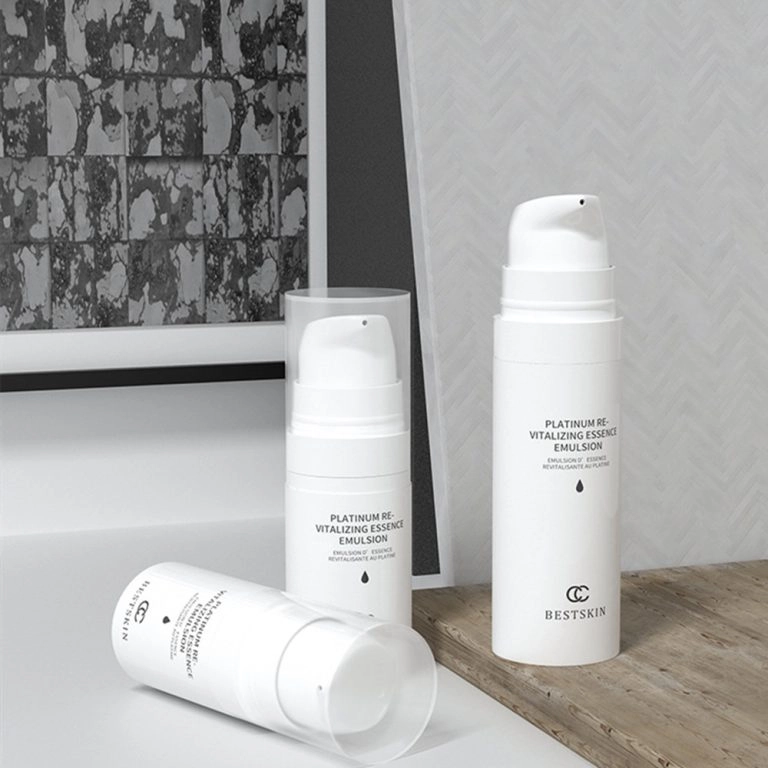
تمنح هذه التفاصيل فرق الشراء أساسًا متماثلًا لمقارنة عروض الأسعار بدلاً من الاعتماد على مصطلحات عامة مثل "التغليف الصديق للبيئة".
ما الذي يجب تضمينه في طلب عروض أسعار لتغليف مستحضرات التجميل؟
بمجرد أن يصبح هيكل الحزمة واضحًا، يصبح طلب عرض الأسعار أكثر فائدة. وهذا الأمر مهم بشكل خاص مع التخصيص & خدمات الأسهمقد يُقدّم أحد المصانع عرض سعر لزجاجة جاهزة بتصميم قياسي، بينما يفترض مصنع آخر لونًا مخصصًا، أو مضخة مختلفة، أو أدوات جديدة. قد تبدو أسعار الوحدات متقاربة ظاهريًا رغم اختلاف المشاريع.
للعلامات التجارية التي تعمل من خلال متطلبات التعبئة والتغليف SB 54، طلب تقديم العروض هو المكان الذي تجتمع فيه أسئلة المواد والأداء والتكلفة والإنتاج.
حدد المواد والمكونات والحد الأدنى لكمية الطلب والاختبارات في طلب عرض الأسعار.
يشمل طلب عرض الأسعار القابل للتنفيذ عادةً ما يلي:
- نوع التركيبة وحجم التعبئة المستهدف
- متطلبات الحاوية أو المضخة أو الغطاء أو الإغلاق
- المادة المفضلة وهدف تفاعل البوليميراز المتسلسل (PCR)، إن وجد
- اللون والزخرفة
- الحد الأدنى لكمية الطلب وحجم إعادة الطلب المتوقع
- احتياجات العينات والأدوات والاختبار
- السوق المستهدف وتاريخ الإطلاق
تقدم شركة Jaunce Industrial عروضاً لمشاريع الكريمات ومنتجات العناية بالجسم عبوات كريم واسعة الفوهة سعة 80 مل، 100 مل، و120 مل بخيارات PET و PE و PP و PCR، مع حد أدنى للطلب يبلغ 10000 قطعة.
لا تكمن الفائدة في مجرد توفر عدة مواد، بل في إمكانية مقارنة المشترين لهذه الخيارات أثناء عملية أخذ العينات بدلاً من إعادة النظر في قرار اختيار المواد بعد بدء أعمال التزيين أو التحضير للإنتاج.
لا تتعامل مع تغليف منتجات تفاعل البوليميراز المتسلسل (PCR) كطريق مختصر لتقليل مصدر العدوى
تغليف تفاعل البوليميراز المتسلسل (PCR) لا يزال موضوع التوريد مهمًا في عام 2026، لكن المحتوى المعاد تدويره والحد من النفايات ليسا متطابقين. فالتحول من البلاستيك الخام إلى المحتوى المعاد تدويره بعد الاستهلاك لا يُعدّ بحد ذاته خفضًا للنفايات بموجب القانون SB 54. ويمكن لصيغة امتثال بديلة أن توفر رصيدًا للحد من النفايات مرتبطًا ببرنامج إعادة تدوير المواد البلاستيكية (PCR) لما لا يزيد عن 8% من المواد المغطاة بالبلاستيك، وذلك رهناً بموافقة هيئة كاليفورنيا لإعادة التدوير (CalRecycle) واستيفاء شروط أخرى.
ولهذا السبب فإن أعلى نسبة PCR ليست بالضرورة الخيار الأفضل للشراء.
لا تزال عوامل مثل ثبات اللون، والزخرفة، والأداء الميكانيكي، وتوافق التركيبة، والتكلفة، وإمكانية التوريد المتكرر، ذات أهمية. يجب إدراج تفاعل البوليميراز المتسلسل (PCR) في طلب عروض الأسعار في وقت مبكر بما يكفي لأخذ العينات وتقييمها، إلى جانب وزن البلاستيك وعدد مكوناته.
قارن التكلفة الإجمالية للمشروع، وليس فقط سعر الوحدة.
قد يصبح سعر الزجاجة المنخفض مكلفاً بمجرد إضافة تكاليف الأدوات، والعينات المزخرفة، وتجارب خط التعبئة، والشحن، وإعادة العمل، وتغييرات الجدول الزمني.
قد يقلل استخدام عبوة أخف وزنًا من كمية المواد، ولكنه يتطلب إغلاقًا إضافيًا أو فحصًا أثناء النقل. قد تبدو المضخة البديلة مشابهة، ولكنها قد تغير طريقة التوزيع. كما أن التشطيب المخصص قد يزيد من وقت أخذ العينات.
بالنسبة للمصادر الخارجية، فإن الرقم المفيد هو التكلفة الإجمالية للمشروع من مرحلة التطوير وحتى الإنتاج المتكررليس فقط سعر الزجاجة الواحدة.
يحتاج الحد الأدنى لكمية الطلب إلى تحديد سياقه. قد يناسب إنتاج 10,000 قطعة منتجًا تجاريًا معروفًا، ولكنه لا يناسب اختبارًا لسوق صغير. تأكد من الحد الأدنى لكمية الطلب بناءً على نوع التغليف واللون والتصميم والمكونات المخصصة قبل اعتماد التصميم.
كيفية مقارنة موردي عبوات مستحضرات التجميل بما يتجاوز سعر الوحدة
مع وجود طلب عروض أسعار موحد، تصبح مقارنة الموردين أكثر وضوحًا. لا يكفي مجرد وجود كتالوج كبير ليُطلع المشتري على كيفية تعامل المصنع مع تغييرات المواصفات، أو الاختبارات، أو الموافقة على العينات، أو الطلبات المتكررة.
تُعدّ هذه الضوابط مهمة لأن تغيير أحد المكونات غير المكلفة أثناء التطوير أمرٌ يمكن التحكم فيه. أما التغيير نفسه بعد الإنتاج الضخم فقد يؤثر على جداول التعبئة ومواعيد الإطلاق والمخزون النهائي.
تعامل مع الحاوية والمضخة والغطاء كنظام واحد
يعمل الوعاء، وآلية التوزيع، والغطاء، والتركيبة معًا. تغيير أحد الأجزاء قد يؤثر على الأجزاء الأخرى.
إذا تم تغيير المضخة بعد الموافقة على التركيبة، فيجب إعادة فحص التوزيع والتوافق بدلاً من اعتبار المضخة البديلة مكافئة. قد يؤثر تغيير نوع الراتنج على صلابة المضخة أو شكلها. كما أن تخفيف الوزن قد يؤثر على إحكام إغلاق المضخة أو سهولة نقلها.
هنا يصبح تقييم الموردين أكثر تخصصًا من مجرد مقارنة الكتالوجات. والسؤال الأنسب هو: ما الذي يجب فحصه مرة أخرى عند تغيير أحد الأجزاء؟
مواصفات القفل قبل الإنتاج الضخم
يجب أن تصبح العينة المعتمدة مرجعًا للإنتاج. فالمواد واللون والزخرفة والإغلاق والمضخة والتصميم الفني والأبعاد الرئيسية جميعها تحتاج إلى نسخة معتمدة وواضحة قبل بدء الإنتاج بكميات كبيرة.
بالنسبة لسلسلة البولي بروبيلين الخالية من الهواء من شركة Jaunce Industrial، يتم إعداد عينة ما قبل الإنتاج قبل بدء الإنتاج بكميات كبيرة، تليها عملية فحص نهائية قبل الشحن. تستغرق نفس مجموعة المنتجات سبعة أيام للعينات المتوفرة في المخزون، و15 يومًا للعينات المطبوعة حسب الطلب، ومدة تجهيز تصل إلى 35 يومًا؛ مع العلم أن التوقيت يحتاج إلى إعادة تأكيد بناءً على رمز المنتج (SKU) وكمية الطلب والتصميم والقوالب وشروط التسليم.
إن تقسيم الجدول الزمني إلى أخذ العينات والموافقة والإنتاج والتفتيش والشحن يمنح فرق المشتريات والتسويق تواريخ يمكنهم التخطيط بناءً عليها.
بمجرد السيطرة على المورد والمواصفات والجدول الزمني، يصبح نقاش تقليل المواد أكثر أمانًا.
كيفية تقليل مواد التعبئة والتغليف دون زيادة مخاطر الأداء
الحد من المصدر, تغليف تفاعل البوليميراز المتسلسل (PCR)تُعدّ العبوات القابلة لإعادة التدوير وأنظمة إعادة التعبئة من المواضيع البارزة في برنامج كاليفورنيا للمسؤولية الموسعة للمنتجات المعبأة. ومع ذلك، فإن تقليل المواد لا يُجدي نفعاً إلا إذا حافظت العبوة على حماية المنتج وأدت وظيفتها على أكمل وجه خلال مراحل التعبئة والنقل والبيع بالتجزئة والاستخدام من قِبل المستهلك.
نادراً ما يكون الخيار الأفضل هو الخيار الذي يتمتع بأقوى ادعاءات الاستدامة، بل هو الخيار الذي يزيل المواد غير الضرورية دون خلق مشكلة تقنية أو تجارية جديدة.
متى يكون استخدام العبوات خفيفة الوزن والقابلة لإعادة التعبئة أمراً منطقياً من الناحية التجارية
يمكن أن يساهم تخفيف الوزن في تقليل استخدام البلاستيك، لكن المبالغة في ذلك قد تؤثر على الصلابة، أو إحكام الإغلاق، أو مقاومة السقوط، أو أداء خط التعبئة. لذا، قد يتطلب الأمر موازنة مختلفة تمامًا بين سيروم فاخر وزجاجة كبيرة للعناية بالجسم يتم شحنها عبر التجارة الإلكترونية.
تُثير العبوات القابلة لإعادة التعبئة تساؤلاتٍ خاصة. يجب أن تتمتع العبوة الرئيسية بمتانة كافية للاستخدام المتكرر، بينما يجب أن تكون العبوة البديلة عملية من حيث التعبئة والشحن والتخزين والاستبدال. ويتضمن مشروع قانون مجلس الشيوخ رقم 54 على وجه التحديد أساليب إعادة الاستخدام وإعادة التعبئة ضمن إطار عمله للحد من النفايات.
يمكن للعلامات التجارية التي تبيع منتجاتها في كل من كاليفورنيا وأوروبا ربط هذه المراجعة بشركة Jaunce Industrial. قائمة تدقيق موردي عبوات مستحضرات التجميل بتقنية PPWR في الاتحاد الأوروبيتختلف اللوائح، لكن نظام الشراء متشابه: مراجعة المواد والمكونات والاختبارات وضوابط الموردين قبل تثبيت العبوة.
استنتاج
جعل قانون كاليفورنيا رقم 54 بيانات التغليف جزءًا من عملية الشراء. بالنسبة لعلامات التجميل التجارية التي تبيع منتجاتها في كاليفورنيا، يبدأ العمل العملي قبل الإنتاج الضخم: تحديد المكونات، ومقارنة أوزان البلاستيك وخيارات إعادة تدوير البلاستيك، وإعداد طلب عرض أسعار واضح، ومراجعة التكلفة الإجمالية للمشروع، وتحديد المواصفات النهائية بعد الاختبار.
لا تقتصر هذه العملية على الدعم فحسب. الامتثال لمعايير التعبئة والتغليففهو يقلل من التغييرات المتأخرة، ويجعل مقارنة عروض أسعار الموردين أسهل، ويمنح الطلبات المتكررة مرجعًا إنتاجيًا أكثر استقرارًا.
جاونس الصناعي تقوم الشركة بتصنيع عبوات مستحضرات التجميل المصنوعة من الزجاج والزجاجات والأنابيب البلاستيكية والألومنيوم، مع توفير أشكال وألوان مخصصة، وطباعة الشاشة، ودعم تصنيع المعدات الأصلية.
بالنسبة لمشروع العناية بالبشرة أو التجميل أو العناية الشخصية المتجه إلى كاليفورنيا، قم بإعداد نوع التركيبة، والسعة، والمادة المفضلة، والكمية، والزخرفة، ومتطلبات الإغلاق أو المضخة، والسوق المستهدف، وتاريخ الإطلاق. 2025 - جاونس الصناعي - الصفحة 7 لمناقشة مشروع التغليف وطلب عرض سعر قبل الانتقال إلى مرحلة الإنتاج وفقًا للمواصفات النهائية.
أسئلة متكررة
س1: هل ينطبق قانون كاليفورنيا SB 54 على منتجات التجميل المستوردة التي تباع في كاليفورنيا؟
أ: لا تخرج العبوات المستوردة تلقائيًا من نطاق قانون SB 54. يعتمد وضع المنتج على كيفية وضع المواد المشمولة في سوق كاليفورنيا، لذلك تحتاج العلامات التجارية الخارجية والمستوردون الأمريكيون إلى تأكيد دورهم في سلسلة التوريد المحددة.
س2: ما هي المعلومات التي يجب تضمينها في طلب عروض أسعار لتغليف مستحضرات التجميل لأغراض التخطيط وفقًا للمادة 54 من قانون الأعمال؟
أ: يتضمن ذلك مواد المكونات، وبيانات وزن البلاستيك المتاحة، وخيارات تفاعل البوليميراز المتسلسل، والحد الأدنى للطلب، والزخرفة، والأدوات، وتوقيت أخذ العينات، والسوق المستهدف، والاختبارات الوظيفية أو اختبارات التوافق ذات الصلة. وهذا يمنح المشترين أساسًا أقوى للمقارنة. كيفية التعامل مع فشل المضخة الداخلية.
س3: هل تلبي عبوات PCR تلقائيًا متطلبات قانون كاليفورنيا SB 54؟
أ: لا، إن استبدال البلاستيك الخام بالبلاستيك المعاد تدويره لا يُعدّ بحد ذاته تقليلاً للمصدر. فوزن البلاستيك، وعدد مكوناته، وأداؤه، ومتطلبات مسؤولية المنتج الموسعة الأوسع نطاقاً، كلها عوامل تُؤخذ في الاعتبار عند اتخاذ القرار.
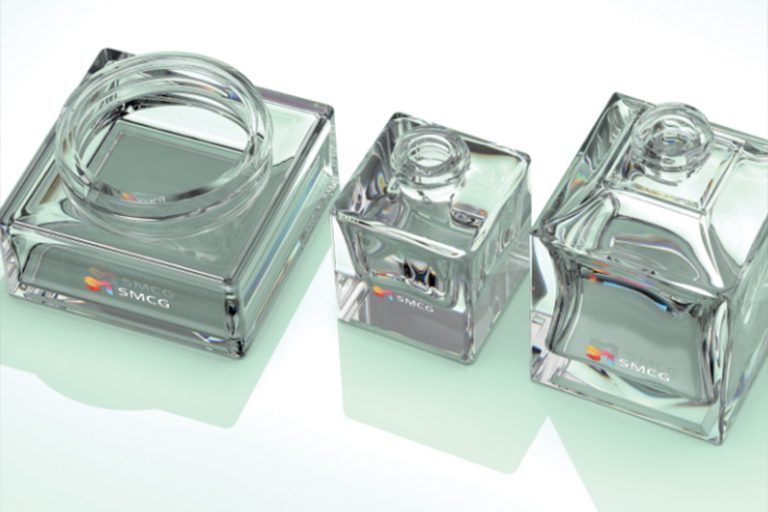
س4: كيف تؤثر المضخات والأغطية البلاستيكية على زجاجة مستحضرات التجميل الزجاجية بموجب قانون SB 54؟
أ: لا يمثل الوعاء الزجاجي سوى جزء واحد من نظام التغليف. قد تظل الأغطية البلاستيكية والملصقات والحشوات والأختام والمكونات الأخرى التي تحتوي على البلاستيك مهمة عند تقييم عدد المكونات البلاستيكية ووزنها.
س5: ما هو الأهم عند مقارنة شركة تصنيع عبوات مستحضرات التجميل لإطلاق منتج في كاليفورنيا؟
أ: قارن بين شفافية المواد، والحد الأدنى لكمية الطلب، والأدوات، والتحكم في العينات، واحتياجات الاختبار، وإمكانية التزيين، ومدة التسليم، والتحكم في التغييرات، وتناسق الطلبات المتكررة. سعر الوحدة مهم، لكنه لا يعكس المخاطر الكاملة للمشروع.