

Skincare brands heading into 2026 need a solid way to pick the right cosmetic packaging supplier. Packaging handles more than shelf looks. It keeps formulas safe from air, stops leaks, blocks contamination, and holds up during shipping and storage. These B2B purchasers would like their suppliers to know about the compatibility of products, customization options, quality control issues, MOQs, and continuous production lines.
Jaunce industrial offers customized cosmetic packaging services for skincare, beauty, and personal care packages. These include bottles, jars, tubes, and airless packaging.
Key Supplier Evaluation Standards for Skincare Packaging Buyers
Formula Protection and Packaging Functionality
Skincare formulas differ a lot. Some serums need very little air contact so the ingredients stay strong. Lotions and creams require good seals to avoid separation or dirt getting in. A supplier should know these details and suggest the right structures.
Facial oils often go in glass bottles with dropper caps because certain oils can react with plastic after some time. Cleansers and toners work fine in squeeze bottles or tubes for easy use. Brands that skip this step sometimes see returns because the product dried out or the container leaked after a few weeks.
Manufacturing Capacity for Multi-SKU Skincare Lines
Most skincare lines have several products. A supplier that manages serum bottles, cream jars, lotion bottles, toner bottles, and plastic tubes makes the whole process easier and keeps the collection looking matched.
Some suppliers do well with one type but run into trouble when handling a full set. Checking their capacity early avoids problems when moving from one main product to a complete line.
Supplier Experience in B2B Custom Cosmetic Packaging
Real experience shows in how they handle orders. Good cosmetic packaging suppliers manage OEM and ODM work, help with mold choices, confirm samples without delay, and pack items properly for export. Brands should ask about similar projects instead of just taking general statements.
Product Compatibility Checklist for Skincare Packaging Projects
Airless Bottles for Serums, Creams, and Active Ingredients
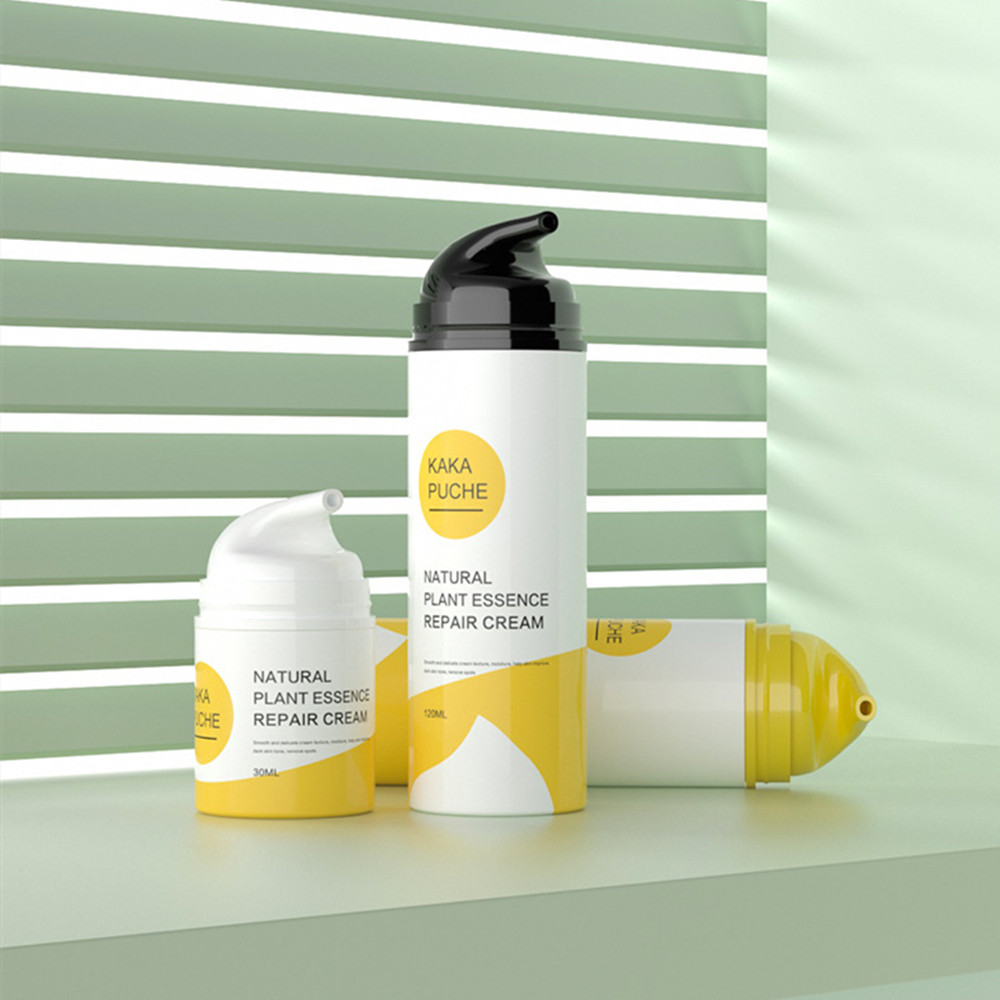
Airless bottles are appropriate for most active skin care formulations. They limit air contact and allow consumers to measure the appropriate dosage. This product packaging is recommended for products such as serums, eye creams, face creams, among others.
One brand noted that its antioxidant serum had better shelf life after changing to an airless bottle.
Cream Jars for Moisturizers, Masks, and Balm Formulas
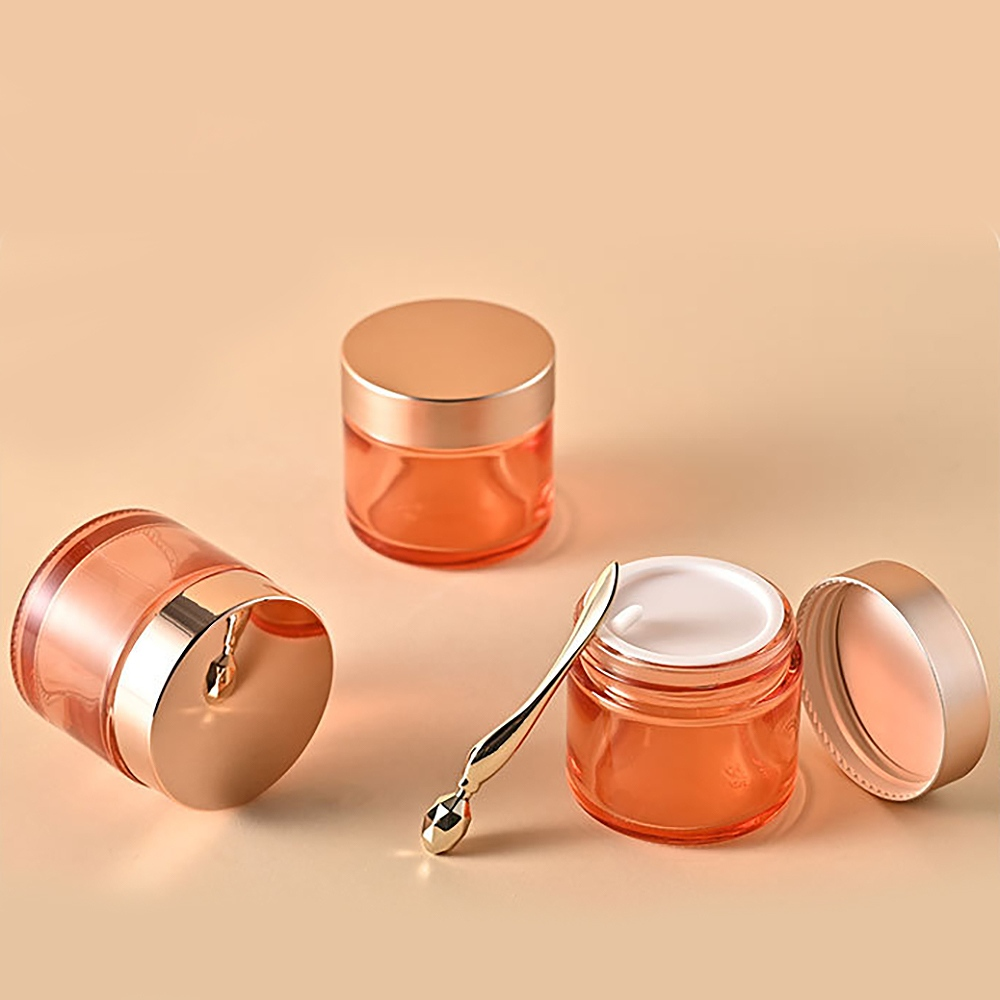
Cream jars fit thicker products. Glass jars give a solid feel for moisturizers and masks. Plastic double-wall jars help with body creams and balms. Some brands now use refillable versions so customers keep the outer part and swap the inside.
Glass Bottles for Premium Serums, Oils, and Essences
Glass is still the preferred choice for premium packaging. The clarity and substantial feel are well-suited to face oils, essences, and serums. Brand names can be frosted, sprayed, printed on screens, or stamped onto these containers.
Plastic Bottles and Tubes for Daily-Use Skincare Products
The everyday products that include cleansers, sunblocks, hand creams, and body lotions are mostly sold in plastic containers. This is because using plastic keeps prices low, and it is easier to produce more in large quantities. Travel sizes also fit well for sets and trial kits.
Customization Capabilities That Define a Reliable Cosmetic Packaging Supplier
Stock Mold Selection and Private Mold Development
Stock molds help new brands move quicker. Suppliers with ready shapes can provide samples fast and keep early costs lower. This option fits seasonal items or test runs where time counts.
Private molds make sense when brands want unique shapes or stronger shelf presence. The initial cost works out over repeated orders, especially for lines planned for several years.
Surface Decoration Options and Functional Matching
Decoration turns plain packaging into something that stands out. Common methods include color coating, gradient spraying, frosting, silk screen printing, hot stamping, and labels. Suppliers should test these under actual filling and shipping conditions.
Details like pump, closure, and capacity also matter. The neck size needs to fit the pump or cap. Output amount should match formula thickness. A 15ml serum bottle with a certain pump feels different from another version. Brands check these points before full production.
Quality Control Requirements Before Bulk Cosmetic Packaging Production
Leakage Testing and Pump Performance
Leakage tests catch issues early. This step counts for e-commerce orders and shipments abroad where packages go through rough handling.
Pumps need to deliver the same amount each time. Suppliers should share output numbers for serum pumps, lotion pumps, and airless types so brands know what customers will get.
Consistency and Durability Across Batches
Bulk orders should match the approved samples in color, texture, and print quality. Good suppliers keep reference samples and follow set processes to avoid shifts between runs.
Tests for drops, pressure, and temperature changes help predict performance. Carton setup also affects how glass items survive long transport.
Sustainable Packaging Criteria for 2026 Skincare Brands
Recyclable and Refillable Solutions
Brands look at glass, PET, PP, and similar materials depending on the product and target market. Many buyers now expect recyclable options.
Refill systems cut waste. Brands use refillable airless bottles or cream jars with replaceable parts. This approach supports repeat purchases.
PCR Materials, Lightweight Design and Practical Claims
PCR plastics and lighter designs reduce new material use. The balance is keeping the package functional and looking right.
Claims need to match actual choices and come with clear supplier info. Simple and specific works better than broad statements.
Commercial Sourcing Factors for Skincare Packaging Buyers
MOQ Flexibility and Sampling Process
Lower MOQ options help startups and test projects. Stock molds often allow smaller starting quantities.
Several sample rounds let brands test decoration, pump function, and formula fit. Full checks happen before approving bulk runs.
Lead Time and Scalable Production Support
Clear schedules for samples, molds, decoration, and production help match launch dates. Delays can push back marketing plans.
A reliable supplier handles the whole line so serum bottles, cream jars, and other items stay consistent in look and quality.
Why Jaunce industrial Supports Custom Skincare Packaging Projects
Jaunce industrial as a Reliable Cosmetic Packaging Supplier
Jaunce industrial works as a cosmetic packaging supplier for skincare, beauty, and personal care brands looking for custom cosmetic packaging. They provide one-stop support from initial selection through to bulk production.
They cater to the following skincare products including airless bottles, cream jars, glass bottles, plastic bottles, serum pump bottles, plastic tubes, and more. They will assist you with everything from packaging options to decoration ideas, sampling solutions, overall line creation, and production scalability.
Conclusion
Selecting a packaging supplier for cosmetics in 2026 involves far more than simply choosing on the basis of price or aesthetics. Skincare firms will have to be concerned with such matters as formula compatibility, range of products offered, moldability, decoration, quality control, environmental practices, and much more.
The perfect cosmetic packaging manufacturing company will ensure that there is no risk while providing safety and presentation. As far as the airless bottles, creams jars, skincare glass bottles, plastic bottles, serum pump bottles, and plastic tubes are concerned, Jaunce industrial can help you with your new design and bulk orders.
Skin-care brands seeking this service can connect with Jaunce industrial for consultations and assistance.
FAQs
Q1: What should be the primary factor that skincare brands look into before approaching a packaging supplier?
A: The first thing that skincare brands need to consider prior to contacting a packaging manufacturer is the existence of packaging that will be suitable to their formulas, such as airless bottles for active serum, cream jars for moisturizer, and plastic tubes for cleansers or hand creams.
Q2: What kind of packaging is ideal for active skin care products?
A: Ideal packaging for active skin care products would be the airless bottles since air contact will be minimized, which allows for better control in dispensing the product. They can be used for serums, creams, eye care products, and sensitive products.
Q3: How can B2B buyers prevent any risk before mass manufacturing cosmetic packaging?
A: B2B buyers can reduce the risk of any issue during manufacturing through sample confirmation, leakage testing, checking the pump output performance, print inspection, and filling & packing suitability.
Q4: Under what circumstances would a skincare brand go for private mold packaging?
A: A skincare brand may decide on private mold packaging if it requires unique bottle shapes, distinctiveness, or consistent packaging of the products in its range.
Q5: Why is sustainable packaging crucial for skincare brands in 2026?
A: Sustainable packaging is vital since the beauty industry is becoming more aware about recycling, refill packaging, packaging weight, PCR packaging, and sustainability.