

Einführung
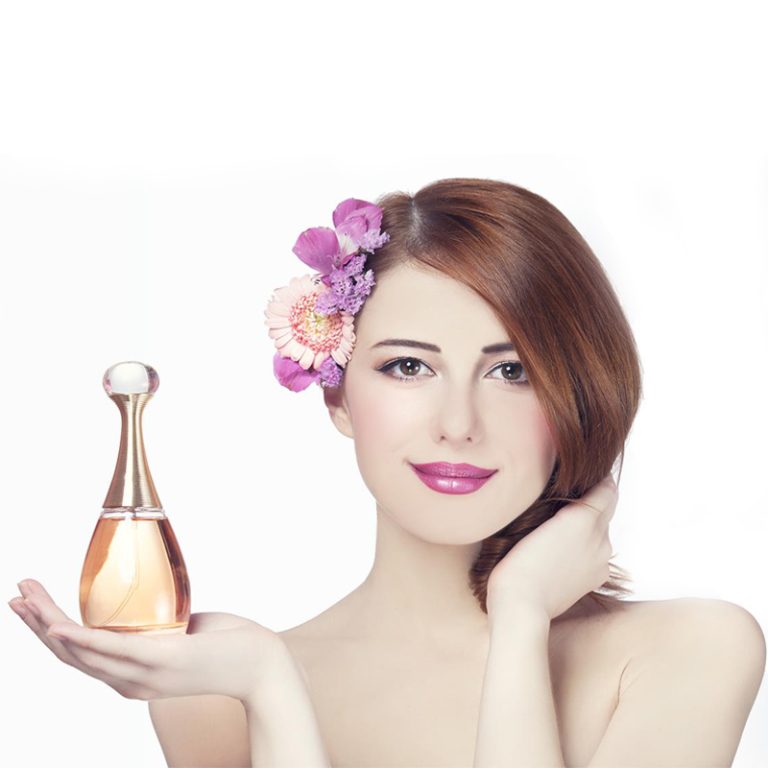
Wie können Sie Ihre Parfümverpackung mit diesen 5 Anpassungstipps erhöhen? — Jaunce industriell „Wie können Sie Ihre Parfümverpackung mit diesen 5 Anpassungstipps erhöhen?“ — Jaunce industrial Einführung In einer Boutique sehen Sie Reihen von Duften. Eine Flasche steht hervor. Es fühlt sich glatt in Ihrer Hand an. Ein Geheimnis ist bereit zu öffnen. Das ist die Kraft der intelligenten Parfümverpackung. In einem Markt voller harter Konkurrenz für Dufte macht Ihre Verpackung einen einfachen Kauf in einen besonderen Moment. Es zeigt Klasse. Es teilt Ihre Marke’ s Geschichte. Es bleibt im Käufer’ Gedanken lange nach dem Spray verschwindet. Fakten sagen, dass bis zu 70% der Kaufmöglichkeiten davon abhängen, wie die Dinge aussehen. So handeln Ihre Box und Flasche als stille Verkäufer, die den Verkauf schließen. Nach Jahren im Herzen des Duftgeschäfts, […]
Wie können Sie Ihre Parfümverpackung mit diesen 5 Anpassungstipps erhöhen? — Jaunce industriell
Wie können Sie Ihre Parfümverpackung mit diesen 5 Anpassungstipps erhöhen? Kommentare zu: Wie können Sie Ihre Parfümverpackung mit diesen 5 Anpassungstipps erhöhen? Wie können Sie Ihre Parfümverpackung mit diesen 5 Anpassungstipps erhöhen? « — Jaunce industriell
Jaunce Industrie Fri, 21 Nov 2025 09:01:19 0000 https://www.cosmepak.com/de/produkt/30ml-round-shoulder-glass-bottle-with-dropper/ und «Warum Hautpflegeverpackungen in Glasflaschen die Produktintegrität verbessern» — Jaunce industrial https://www.cosmepak.com/wp-content/uploads/2025/11/How-Do-Airless-Pump-Containers-Drive-Sustainability-in-Cosmetics.webp
https://www.cosmepak.com/wp-content/uploads/2025/11/Square-Airless-Bottle-with-Pump.webp
#introduction
#the-basics-of-airless-pump-containers
#key-ways-airless-pumps-enhance-cosmetic-sustainability
#spotlight-on-innovative-airless-pump-solutions
#advantages-of-airless-pump-containers
#conclusion-partnering-for-a-greener-future
Die Flasche verfügt über eine hochpräzise Gewindeöffnung mit klaren, regelmäßigen Nuten, die eine nahtlose Dichtung mit der Kappe bilden. Sein reibungsloses Gewindeeingreifen ermöglicht eine effiziente Fabrikschargefüllung und eine einfache manuelle Dosierung, wodurch Leckagerisiken während der Füllung minimiert werden. Dicht versiegelt, blockiert es den Eintritt von Luft und Feuchtigkeit, um die Oxidation / Verschlechterung von Hautpflegebestandteilen zu verzögern - ideal für Vitamin C, Peptide und andere leicht abbaubare Komponenten - und gewährleistet gleichzeitig eine leckfeste Leistung, auch wenn sie umgekehrt oder während des Ferntransports. Das benutzerfreundliche und marmelaufreie Gewindedesign ermöglicht müheloses Öffnen und täglichen Gebrauch und bietet umfassenden Schutz für die Produktqualität.
Der speziell verstärkte Boden der Flasche verfügt über eine gleichmäßige Dicke und eine robuste Tragfähigkeit, bleibt stabil und schwankenfrei, wenn er platziert wird, um das Risiko eines versehentlichen Kippens und eines Bruchs zu minimieren. Dieses stabile Design erhöht nicht nur die Nutzungssicherheit, sondern verleiht auch ein dickes, hochwertiges Erscheinungsbild, das sich mit der Ästhetik von High-End-Hautpflegemarken ausrichtet und das Vertrauen der Verbraucher stärkt.
Hergestellt aus hochtransparentem Borosilikatglas, bietet es eine reine Textur und außergewöhnliche Klarheit und einen kristallklaren Blick auf die Farbe und den inhärenten Zustand des flüssigen Produkts. Mit überlegener chemischer Stabilität ist es geruchlos und frei von schädlichen Verunreinigungen. Vollständig kompatibel mit einer Vielzahl von Hautpflegebestandteilen – einschließlich Säuren, Alkoholen und aktiven Peptiden – verhindert es unerwünschte chemische Reaktionen und schützt effektiv die Reinheit und Sicherheit des Produkts während seines gesamten Lebenszyklus.
Silikon Stopper
Diese Komponente ist aus medizinischem Silikon gefertigt und bietet außergewöhnliche Stabilität, Nichttoxizität und Widerstand gegen extreme Temperaturen. Mit ausgezeichneten Anti-Aging- und Anti-Deformationseigenschaften behält es die strukturelle Integrität über einen längeren Gebrauch bei gleichzeitiger Beseitigung des Risikos der Geruchsmission. Sanft und nicht reizend für die Haut, ist es ideal für empfindliche Hauttypen geeignet.
Schraubflaschenkappe
Aus hochwertigem PP-Kunststoff gefertigt, ist die Kappe robust, langlebig und nahtlos mit dem Gewindeflaschenhals kompatibel. Es unterstützt wiederholtes Öffnen und Schließen ohne leichten Verschleiß und bietet langlebige, zuverlässige Dichtungsleistung für einen konsistenten Produktschutz.
Hochwertiger brauner Glasflaschenkörper bietet eine überlegene Lichtblockierfähigkeit und blockiert UV-Strahlen effektiv, um die durch Licht induzierte Oxidation und Verschlechterung von Wirkstoffen wie Essenz und ätherischen Ölen zu verhindern, wodurch die ursprüngliche Wirksamkeit und das Aroma der Flüssigkeit vollständig erhalten werden. Sicher, ungiftig und hoch chemisch stabil, ist das Glas nicht mit inneren Flüssigkeiten reaktiv, was die Reinheit und Sicherheit des gelagerten Inhalts garantiert. Recyclierbar, entspricht es umweltfreundlichen Prinzipien.
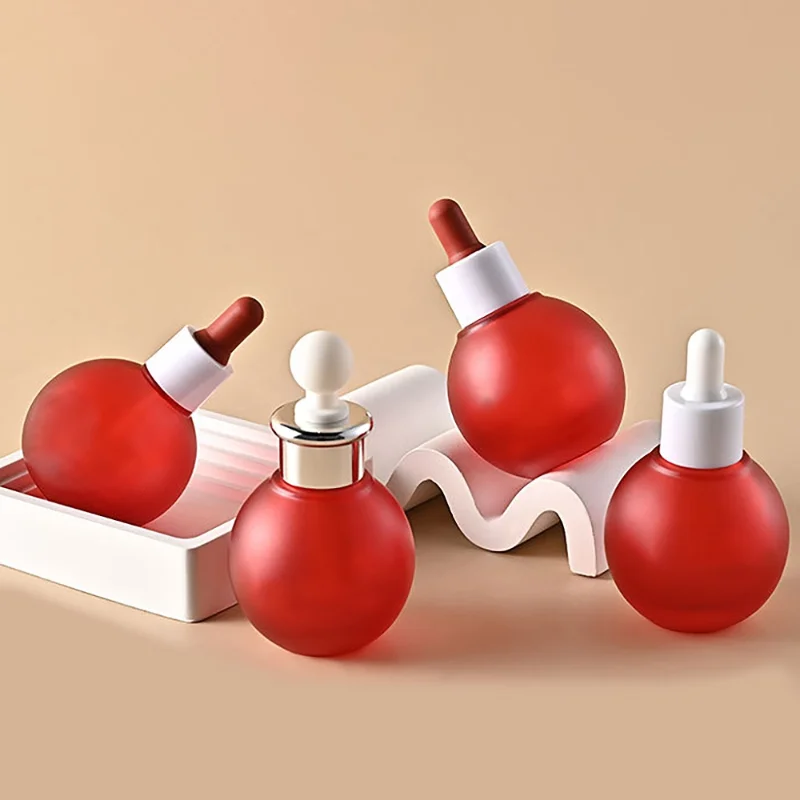
Die Flasche verfügt über hochwertige Gummitropfrohren. Die stabile, elastische Silikon-Gummikappe des Tropfens widersteht dem Altern und vermeidet Schwellungen oder Verformungen bei Kontakt mit ätherischen Ölen, Seren und anderen Flüssigkeiten für einen sicheren Gebrauch. Mit einer präzisen, kontrollierbaren Konstruktion liefert es ein konsistentes, gleichmäßiges Flüssigkeitsvolumen pro Dosierung, wodurch Abfälle durch versehentliche Verschüttungen verhindert werden und gleichzeitig die Bedürfnisse an präziser Hautpflege und quantitativer Mischung in allen Szenarien erfüllt werden, was den Betriebsbequemlichkeit erhöht.
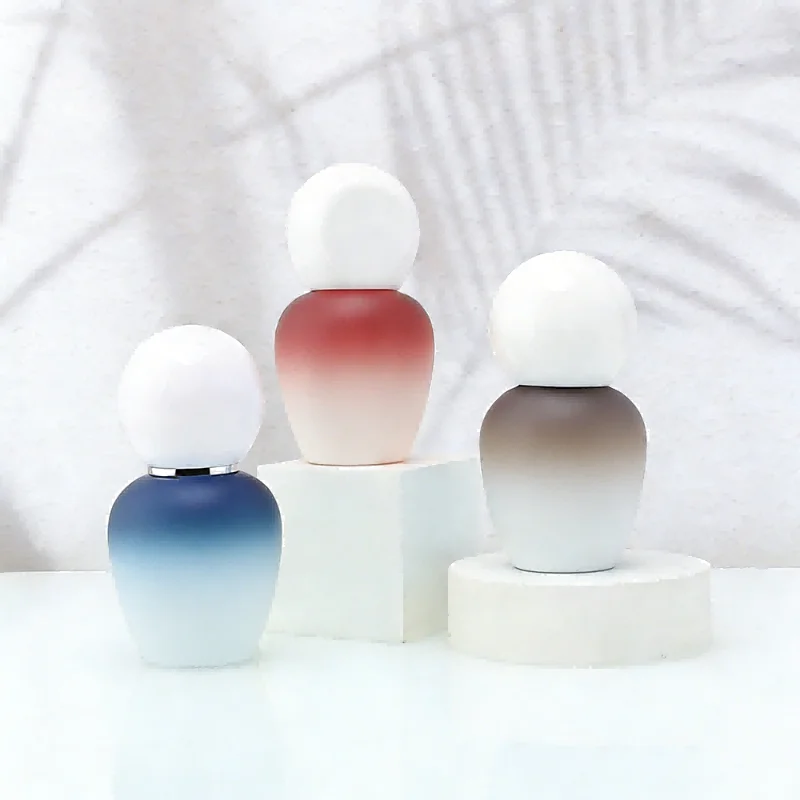
Jaunce Industrial bietet umfassenden OEM-SupportWir bieten Ihnen drei stilvolle Flaschenfarben zur Wahl: Der gradiente lila Stil ähnelt dem lila Kristall unter der Dämmerung, mit reichen Schichten und einer träumhaften und romantischen Atmosphäre, die eine elegante Atmosphäre ausstrahlt; Der klassische braune Stil verbindet Praktizität und Textur, blockiert effektiv Licht und bietet eine ideale Lagerumgebung für lichtempfindliche ätherische Öle und Konzentrate, während es auch ein ruhiges und elegantes Temperament zeigt; Der frische gelbe Stil ist wie der warme Sonnenschein im Frühjahr, hell und lebendig, spritzt Vitalität und Kraft in das Produkt und zieht Verbraucher leicht an. Aufmerksamkeit. Die Zubehörfarben werden mit zwei klassischen Tönen gepaart: schwarz und gold. Das schwarze Zubehör ist einfach und stabil und unterstreicht die Professionalität des Produktes; Die goldenen Zubehör sind luxuriös und exquisit, das Produkt zu verbessern’ s High-End-Positionierung und kann flexibel nach verschiedenen Markenstilen und Produktpositionierung kombiniert werden.
Der Durchmesser der Flasche beträgt 48mm und die Gesamthöhe 95mm. Es ist von moderater Größe, so dass es sowohl für die tägliche Aufbewahrung zu Hause als auch für das Tragen auf Reisen bequem ist. Die gedruckte Höhe der Flasche beträgt 40mm, was viel Anpassungsraum bietet. Es kann mit Markenlogos, Produktnamen, Zutatenbeschreibungen usw. gedruckt werden, was dazu beiträgt, das Markenimage zu gestalten und Produktinformationen zu vermitteln. Das Gewicht einer einzelnen Flasche beträgt etwa 138,5 g. Es kombiniert eine solide Textur mit einer moderaten Leichtigkeit und bietet eine komfortable Handhaltung.
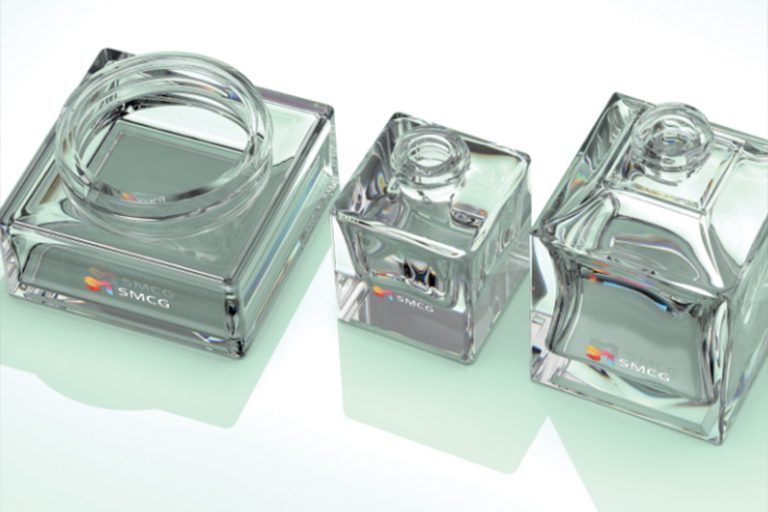
Von kunstvoll geschnitzten Duftbehältern bis hin zu schlichten Tropfgefäßen für Duftmischungen – die Industriespezialisten von Jaunce kreieren individuelle Formen, die perfekt auf Stil und Zweck abgestimmt sind.
| O1CN01ID1A0h1TbFZwRHuKU_!! 2506382400-0-cib | O1CN01dFIx6t1TbFa2vlAVK_!! 2506382400-0-cib | O1CN01rwrzEJ1TbFa3BSMMR_!! 2506382400-0-cib |
| O1CN01l21rob1TbFa5IoK51_!! 2506382400-0-cib | Kapazität: 30ml Material: Glashals: Schraube Zubehör: Dropper Farbe: akzeptieren Sie jede Pantone Farbe MOQ: 5000pcs | Di, 25. Nov. 2025 07:04:10 0000 |
| Die 30 mL und 50 mL PP rundbodenlosen Flaschen bieten zwei praktische Kapazitätsoptionen und erfüllen effektiv die Anforderungen des täglichen Gebrauchs, der Reise und der Probenverteilung. Ausgestattet aus hochwertigem Polypropylen (PP) sowohl für den Flaschenkörper als auch für ein integriertes luftloses Pumpensystem, gewährleistet das Produkt eine ausgezeichnete chemische Beständigkeit und Kompatibilität mit einer Vielzahl von Hautpflege- und Kosmetikformulierungen. | Das luftlose Design verbindet funktionelle Effizienz mit verbessertem Produktschutz: Der vakuumbasierte Dosiermechanismus verhindert, dass Luft während des Gebrauchs in den Behälter gelangt und minimiert damit Oxidation, mikrobielle Kontamination und Abbau empfindlicher Inhaltsstoffe, was zur Erhaltung der Stabilität und Wirksamkeit von Wirkstoffen beiträgt. Die Rundbodenkonfiguration verbessert die Produktevakuierungseffizienz und ermöglicht es den Anwendern, mit minimalen Rückständen auf nahezu alle Inhalte zuzugreifen, während die reibungslos funktionierende Pumpe eine präzise Dosierungsregelung ermöglicht. | Mit einem schlanken und kompakten Profil entwickelt, macht das PP-Material die Flasche leicht, zerbrechfest und für Reisen geeignet, die den Luftfahrtverordnungen für Handgepäckflüssigkeiten vollständig entspricht. Die glatte Oberfläche bietet viel Platz für Branding-Anwendungen wie Etikettierung, Siebdruck oder Heißstempel und bietet eine Balance zwischen ästhetischer Attraktivität und funktionellem Nutzen. Das BPA-freie Material gewährleistet Sicherheit und Hygiene und verhindert das Auslauen von schädlichen Stoffen während der Lagerung und Verwendung. |
| Diese luftlose Flasche wird weit verbreitet in der Verpackung verschiedener Schönheits- und persönlicher Pflegeprodukte, einschließlich Gesichtsseren, Feuchtigkeitscremen, Augencremes, Gesichtsölen und Spot-Behandlungen. Es eignet sich gut für verschiedene Einsatzszenarien, einschließlich der täglichen Heimpflege, Reisen, Geschäftsreisen und professionellen Salonumgebungen. | Diese luftlose kosmetische Serumflasche (Modell: JH-LWA08) stellt eine professionelle Verpackungslösung dar, die speziell für hochwertige Seren entwickelt wurde. Es bewahrt effektiv die Potenz der Wirkstoffe und gewährleistet gleichzeitig eine bequeme und hygienische Verwendung. Diese Flasche ist aus hochwertigem PP-Material (Polypropylen) gefertigt und bietet außergewöhnliche chemische Stabilität und Haltbarkeit - korrosionsbeständig gegen Serumprodukte, ungiftig und BPA-frei - und bietet einen sicheren und zuverlässigen Behälter für Hautpflegeprodukte. Mit einem leichten Design reicht das Gewicht jeder Flasche von 12,1 g (5 ml) bis 14,7 g (15 ml), was es leicht macht, ohne zusätzliche Belastung während des täglichen Gebrauchs oder der Reise zu tragen. Die Flasche ist in drei praktischen Kapazitätsoptionen erhältlich - 5ml, 10ml und 15ml - um unterschiedliche Anwendungsanforderungen zu erfüllen. Die 5ml Größe ist ideal für Serumproben, Testkits oder On-the-Go-Touchups; während die 10ml und 15ml Optionen perfekt für den regelmäßigen Gebrauch sind und ein optimales Gleichgewicht zwischen ausreichender Kapazität und Kompaktheit schaffen. Mit einer Halsgröße von 30 mm ist es kompatibel mit Standardluftlosen Pumpenkomponenten, die eine reibungslose und konsistente Dosierung gewährleisten. Das Hauptaugenmerk dieses Produkts liegt in seiner luftlosen Pumpenplanung: Sie schafft eine verschlossene innere Umgebung, die den Kontakt zwischen Serum und Luft minimiert und effektiv Oxidation, Kontamination und Abbau von Wirkstoffen wie Vitaminen, Peptiden und Hyaluronsäure verhindert. Dies gewährleistet, dass das Serum seine Wirksamkeit vom ersten bis zum letzten Tropfen beibehält und den Anwendern optimale Hautpflegeergebnisse liefert. Aus Produktionssicht hat diese Flasche eine Mindestbestellmenge (MOQ) von 10.000 Stück – geeignet für die Chargefertigung von Kosmetikmarken. Zusätzlich stehen kostenlose Proben für Kunden zur Verfügung, die die Kompatibilität der Qualitätsfunktionalität mit ihren Serumformulierungen vor der Bestellung großer Bestellungen bewerten möchten. Dieser durchdachte Service ermöglicht es Marken, fundierte Entscheidungen zu treffen und gleichzeitig sicherzustellen, dass ihre Verpackung nahtlos mit ihrer Produktpositionierung übereinstimmt. | In Bezug auf Aussehen und Anpassung ist die Flasche in einer Standard-transparenten klaren Farbe erhältlich, so dass Verbraucher das verbleibende Serum intuitiv bewerten und das Produkt schätzen können. S Textur. Für Marken, die eine einzigartige Identität aufbauen wollen, werden vollständige Anpassungsmöglichkeiten angeboten - jede Pantone-Farbe kann ausgewählt werden, um sich an die Ästhetik der Marke auszurichten, zusammen mit einer Vielzahl von Oberflächenverbindungsauswahlen wie Siebdruck, Heißstempel, Spraygradient und matte Oberfläche. Diese Anpassungstechniken ermöglichen es Marken, Logos, Produktinformationen oder künstlerische Designs auf der Flasche zu drucken, wodurch die Markenerkennbarkeit und die visuelle Attraktivität verbessert werden. Ob Sie einen minimalistischen Look oder einen, der Luxus oder Trendiness ausstrahlt, diese Flasche kann auf verschiedene ästhetische Präferenzen zugeschnitten werden. |
Ob auf einer Badezimmerplatte als elegantes Hautpflegemittel positioniert, in Geschenksets für Premium-Präsentation enthalten oder als Probenbehälter für Markenbewerbungszwecke verwendet, diese kosmetische Serumluftlose Flasche verbindet nahtlos Funktionalität mit Sicherheit und Anpassung. Es schützt nicht nur die Qualität des Serums, sondern verbessert auch das gesamte Benutzererlebnis und macht es zu einer idealen Wahl für Kosmetikmarken auf der Suche nach professionellen Verpackungslösungen.
Kurze Bearbeitungszeiten sind im B2B-Bereich entscheidend. Dank integrierter CAD-Planung und schneller Werkzeugeinrichtung verkürzt Jaunce Industrial die Wartezeiten erheblich – so können Marken ihre Markteinführungstermine termingerecht einhalten, ohne Kompromisse bei der Präzision einzugehen. Beispielsweise konnte bei einem kürzlich abgeschlossenen Projekt für eine europäische Hautpflegemarke die Prototypenentwicklung von drei Monaten auf nur fünf Wochen reduziert werden. Dies sicherte den rechtzeitigen Markteintritt inmitten der steigenden Nachfrage nach umweltfreundlichen Alternativen.
Erscheinungsanpassung: Erstellen Sie ein exklusives visuelles Markensymbol
Der Flaschenkörper ist standardmäßig mit hoher Transparenz und klarem Material ausgestattet. Die transparente Textur präsentiert direkt den ursprünglichen Zustand des Produkts und zeigt die Schönheit der Natur und die Reinheit vollständig. Für Marken, die einen differenzierten visuellen Ausdruck verfolgen, bieten wir einen volldimensionalen Anpassungsservice – Unterstützung der genauen Übereinstimmung jeder Pantone-Farbnummer, die die Marke vollständig replizieren kann’ s Signaturtöne auf dem Flaschenkörper und der Kappe, um ein hohes Maß an Einheit zwischen dem visuellen Bild und dem Markenton zu erreichen. Es gibt mehrere High-End-Oberflächenbehandlungsprozesse zur Auswahl: Siebdruck reproduziert eindeutig Markenlogos und Produktinformationen, Vergoldeungsprozess unterstreicht luxuriöse Textur, Gradientensprühung schafft ein Gefühl von Schichtschönheit und Mattbehandlung vermittelt einen Low-Key und High-End-Stil. Durch die Kombination vielfältiger Prozesse können Marken kreative Designs frei einbeziehen, die Markenerkennung verbessern und die Verpackung auf den Regalen abheben lassen, was die Verbraucher sofort einfangt. Aufmerksamkeit.
- Produktionskooperation: Flexibel an die Marke anpassen’ EntwicklungsbedürfnisseDie Mindestbestellmenge (MOQ) für das Produkt beträgt 10.000 Stück und erfüllt perfekt die Bedürfnisse der Massenproduktion von Kosmetikmarken. Durch die Großproduktion wird eine Kostenoptimierung erreicht und gleichzeitig die Versorgungsstabilität gewährleistet und Marken dabei geholfen, den Markt effizient zu gestalten. Um Markenentscheidungen mehr Vertrauen zu geben, bieten wir speziell einen kostenlosen Probenverprobungsservice an: Vor der Bestellung einer großen Bestellung können Kunden die Qualität des Flaschenkörpers, die Dichtungsleistung und die Kompatibilität mit der Kosmetikformel umfassend testen, um sicherzustellen, dass die Verpackung in Bezug auf Sicherheit und Praktizität vollständig mit der Produktpositionierung abgestimmt ist.
- Verschiedene Szenarien: Ästhetische Standards mit praktischem Wert kombinierenOb als ein exquisites Element auf dem Umkleidetisch angezeigt, verbessert es den Benutzer’ s Zeremoniessinn während der Verwendung; Es sollte immer noch im Geschenkset enthalten sein, um den Wert des Geschenks mit High-End-Verpackung zu erhöhen. Oder es kann als Probeflasche verteilt werden, der Markeneinfluss mit seinem hohen Aussehen und zuverlässiger Qualität erweitert – Diese Vakuumflasche verbindet Funktionalität, Sicherheitsschutz und visuelle Ästhetik. Es kann nicht nur effektiv die Wirkstoffe und Frische der Kosmetik sperren, das Produkt erweitern’ s Haltbarkeit, aber auch verbessern Markengünstigkeit durch eine hochwertige Verpackung Erfahrung. Es ist eine ideale Verpackungswahl für Kosmetikmarken, die professionelle Qualität und High-End-Ton verfolgen.
- cosmepak_admin作者主页 - Jaunce industrial - Seite 6Die Schulterenemulsionsluftlose Flasche ist in vier praktischen Kapazitäten erhältlich: 5 mL, 10 mL, 15 mL und 30 mL, durchdacht entwickelt, um Funktionalität und Portabilität für eine Vielzahl von Anwendungen zu balancieren. Ob für die tägliche Hautpflege zu Hause, für Auffrischungen während der Pendlung oder für längere Reisen bestimmt, diese Behälter erfüllen effektiv die Bedürfnisse der Verbraucher nach bequemer, unterwegs verwendeter Emulsionen und gewährleisten gleichbleibende Produktzugänglichkeit und Hauternährung.
Die Flasche verfügt über ein hochwertiges luftloses Pumpensystem, was eine erhebliche Verbesserung gegenüber herkömmlichen Mundgläsern oder herkömmlichen Pumpenverpackungen darstellt. Der luftlose Mechanismus unterhält eine verschlossene innere Umgebung und isoliert die Emulsion effektiv vor der Exposition gegenüber Luft und äußeren Schadstoffen. Diese Konstruktion minimiert nicht nur die Oxidation, Verfärbung und Abbau - wodurch die Stabilität und Wirksamkeit der Wirkstoffe erhalten werden - sondern beseitigt auch Leckagerisiken, die mit einer unzureichenden Dichtung verbunden sind. Auch wenn er horizontal im Gepäck gelagert oder in einer Tasche bewegt wird, bleibt der Behälter sicher und verhindert Verschüttungen und Kontaminationen. Es gewährleistet einen zuverlässigen Schutz der Frische und Qualität der Emulsion während ihres gesamten Lebenszyklus.
Schlussfolgerung
Die Flasche zeigt eine elegante, geschulterte Silhouette, die ergonomisches Design mit ästhetischer Attraktivität harmonisiert. Die konturierte obere Schulter passt bequem in die Hand und ermöglicht einen sicheren Griff und einen mühelosen Pumpenbetrieb. Der Pumpenkopf verfügt über einen präzise entwickelten kreisförmigen Ausgang, der eine genaue Dosierungsregelung ermöglicht - jede Betätigung liefert ein konsistentes Volumen an Emulsion und reduziert den Abfall, der durch Überdosierung verursacht wird. Der Flaschenkörper ist aus hochwertigem transparenten oder frostierten PET-Material gefertigt und ist dickwändig, langlebig und widerstandsfähig gegen Schläge und Verformungen. Seine flache Basis bietet eine stabile Unterstützung, so dass die Flasche auf jeder Oberfläche ohne Kippen aufrecht bleibt. Die Gesamtstruktur verbindet Einfachheit mit Robustheit und schafft eine optimale Balance zwischen funktioneller Leistung und raffiniertem visuellen Design.
Jaunce Industrial ist bereit, gemeinsam Verpackungen zu entwickeln, die frische Ideen mit Ehrlichkeit verbinden. Vom Aufbau einer kleinen Duftlinie bis hin zur Einführung eines globalen Hautpflege-Sets – technisches Know-how setzt kreative Visionen in greifbare Realität um. „Wie können Sie Ihre Parfümverpackung mit diesen 5 Anpassungstipps erhöhen?“ — Jaunce industrial Wed, 26 Nov 2025 05:03:11 0000
cosmepak_adminAutor Startseite - Jaunce industrial - Página 6 Diese luftlose Pumpenflasche durch die Integration fortschrittlicher Vakuumtechnologie mit langlebigen Materialien, diese Flaschen effektiv die Qualität verschiedener Kosmetik zu erhalten. Die schraubenförmige Konstruktion gewährleistet eine sichere und dichte Dichtung zwischen Kappe und Flaschenkörper, verhindert das Eindringen von Außenluft und Feuchtigkeit und mildert gleichzeitig Leckagen während des Transports oder des Gebrauchs. Dieses durchdachte Design erhöht nicht nur die Zuverlässigkeit der Verpackung, sondern bietet den Benutzern auch ein reibungsloses und bequemes Öffnen und Schließen. Der Flaschenkörper ist aus hochwertigen Materialien hergestellt und besteht aus AS-Harz (Acrylonitrilstyrol), das eine ausgezeichnete Transparenz, Schlagbeständigkeit und chemische Stabilität bietet. Das transparente AS-Material ermöglicht es den Verbrauchern, das Produkt eindeutig zu beobachten’ s Farbe, Textur und verbleibende Menge.
Häufig gestellte Fragen
Die Kappe und die Pumpe sind aus hochwertigem PP (Polypropylen) gefertigt, das bekannt ist, dass es leicht, nicht toxisch und BPA-frei ist. Dies gewährleistet einen sicheren Kontakt mit kosmetischen Formulierungen. Darüber hinaus sorgt die präzise gefertigte PP-Pumpe für eine konsistente und reibungslose Dosierung und minimiert den Abfall, der durch eine übermäßige oder ungleichmäßige Produktleistung verursacht wird.
Mit einer umfangreichen Palette von Kapazitätsoptionen - 15ml, 30ml, 50ml, 80ml und 100ml - decken diese Flaschen verschiedene Bedürfnisse an kosmetischen Verpackungen ab. Die Größen 15ml und 30ml sind ideal für Seren, Essenzen oder Augencremes – perfekt für Reise- oder Testkits; in der Erwägung, dass die 50 ml- und 80 ml-Optionen Lotionen, Gesichtsöle oder Körperserum enthalten, die für den regelmäßigen täglichen Gebrauch bestimmt sind; schließlich ist die 100ml Größe gut geeignet für größere Volumenprodukte wie Körperlotionen oder Haarserum. Dieses umfassende Sortiment an Kapazitäten macht diese Flaschen für verschiedene Kosmetikkategorien geeignet und erfüllt gleichzeitig unterschiedliche Verpackungsanforderungen in verschiedenen Produktlinien
Um Markenentscheidungen mehr Vertrauen zu geben, bieten wir speziell einen kostenlosen Probenverprobungsservice an: Vor der Bestellung einer großen Bestellung können Kunden die Qualität des Flaschenkörpers, die Dichtungsleistung und die Kompatibilität mit der Kosmetikformel umfassend prüfen, um sicherzustellen, dass die Verpackung in Bezug auf Sicherheit und Praktizität vollständig mit der Produktpositionierung abgestimmt ist.
Es ist eine ideale Verpackungswahl für Kosmetikmarken, die professionelle Qualität und High-End-Ton verfolgen.
Do, 27. Nov. 2025 05:27:09 0000
A: Ja. Die derzeitigen Anlagen bei Jaunce Industrial ermöglichen eine exakte Platzierung selbst bei kleinen Mengen – ideal für kleine Marken, die dauerhafte Markierungen ohne klebrige Etiketten wünschen, die sich bei Kontakt mit Öl lösen.
Frage 4: Wie lange ist die durchschnittliche Lieferzeit für kundenspezifische Formen bei Jaunce Industrial?
Mit einem leichten Design reicht das Gewicht jeder Flasche von 12,1 g (5 ml) bis 14,7 g (15 ml), was es leicht macht, ohne zusätzliche Belastung während des täglichen Gebrauchs oder der Reise zu tragen. Die Flasche ist in drei praktischen Kapazitätsoptionen erhältlich - 5ml, 10ml und 15ml - um unterschiedliche Anwendungsanforderungen zu erfüllen. Die 5ml Größe ist ideal für Serumproben, Testkits oder On-the-Go-Touchups; während die 10ml und 15ml Optionen perfekt für den regelmäßigen Gebrauch sind und ein optimales Gleichgewicht zwischen ausreichender Kapazität und Kompaktheit schaffen. Mit einer Halsgröße von 30 mm ist es kompatibel mit Standardluftlosen Pumpenkomponenten, die eine reibungslose und konsistente Dosierung gewährleisten.
Das Hauptaugenmerk dieses Produkts liegt in seiner luftlosen Pumpenplanung: Sie schafft eine verschlossene innere Umgebung, die den Kontakt zwischen Serum und Luft minimiert und effektiv Oxidation, Kontamination und Abbau von Wirkstoffen wie Vitaminen, Peptiden und Hyaluronsäure verhindert. Dies gewährleistet, dass das Serum seine Wirksamkeit vom ersten bis zum letzten Tropfen beibehält und den Anwendern optimale Hautpflegeergebnisse liefert. Zusätzlich stehen kostenlose Proben für Kunden zur Verfügung, die die Kompatibilität der Qualitätsfunktionalität mit ihren Serumformulierungen vor der Bestellung großer Bestellungen bewerten möchten. Dieser durchdachte Service ermöglicht es Marken, fundierte Entscheidungen zu treffen und gleichzeitig sicherzustellen, dass ihre Verpackung nahtlos mit ihrer Produktpositionierung übereinstimmt.
Artikel: Serum airless Flasche Kapazität: 5ml / 10ml / 15ml Modell: JH-LWA08 Material: PP Farbe: injizieren Farbe mit MOQ 10000pcs Benutzerdefinierte: akzeptabel «Warum Hautpflegeverpackungen in Glasflaschen die Produktintegrität verbessern» — Jaunce industrial Wir bieten zwei vielseitige Volumenoptionen (30mL/50mL) für diese Designflasche an. Diese Flaschen erfüllen nahtlos die täglichen Hautpflegeroutinen, die Reisenotwendigkeiten und die Probenverteilung und schaffen das perfekte Gleichgewicht zwischen Funktionalität und Portabilität. Ausgestattet aus hochwertigem Polypropylen (PP) sowohl für den Flaschenkörper als auch für das integrierte luftlose Pumpensystem, bieten sie eine überlegene chemische Beständigkeit und eine breite Kompatibilität mit verschiedenen Hautpflege- und Kosmetikformulierungen. Das luftlose Design verbindet funktionelle Effizienz mit verbessertem Produktschutz: Der vakuumbasierte Dosiermechanismus verhindert, dass Luft während des Gebrauchs in den Behälter gelangt, wodurch Oxidation, mikrobielle Kontamination und Abbau empfindlicher Inhaltsstoffe minimiert werden und die Stabilität und Wirksamkeit von Wirkstoffen erhalten werden. Die Rundbodenkonfiguration verbessert die Produktevakuierungseffizienz und ermöglicht es den Anwendern, mit minimalen Rückständen auf nahezu alle Inhalte zuzugreifen, während die reibungslos funktionierende Pumpe eine präzise Dosierungsregelung ermöglicht.