

El cuidado corporal se centra cada vez más en el cuidado de la piel en 2026, con leches corporales, sérums corporales con retinol, geles de ducha con sérum y otros productos centrados en ingredientes que están ganando mayor atención. La belleza coreana también se está extendiendo más allá del cuidado facial, poniendo mayor énfasis en la textura, la dosificación y la usabilidad diaria en todos los formatos de cuidado corporal. Para las marcas y los equipos de abastecimiento, este cambio hace que... envases para el cuidado corporal forma parte del desarrollo del producto, más que una decisión de diseño final.
La pregunta clave es si una fórmula se adapta mejor a un frasco con dosificador o a un tubo exprimible. Esa elección puede afectar el rendimiento de la dosificación, el llenado, la cantidad mínima de pedido (MOQ), el envío, el costo del proyecto y la producción repetida. Seleccionar el envase adecuado envase de loción corporal Por lo tanto, todo comienza con el producto en sí: el comportamiento de su fórmula, su uso previsto y sus requisitos comerciales, lo que lleva directamente a la primera comparación.
Botella con dosificador vs. tubo flexible: ¿Qué formato se adapta mejor al producto?
La primera comparación es técnica. Ambos formatos pueden funcionar para lociones corporales, pero la mejor opción depende del flujo de la fórmula, la dosis deseada, la capacidad, el uso por parte del consumidor, el llenado y la distribución. Elegir basándose únicamente en la apariencia puede resultar en una dosificación deficiente o componentes innecesarios. Una vez que se definen los requisitos, el equipo de envasado puede definir el formato antes de invertir en decoración, utillaje o producción en masa.
Comience con el flujo y la dosificación de la fórmula.
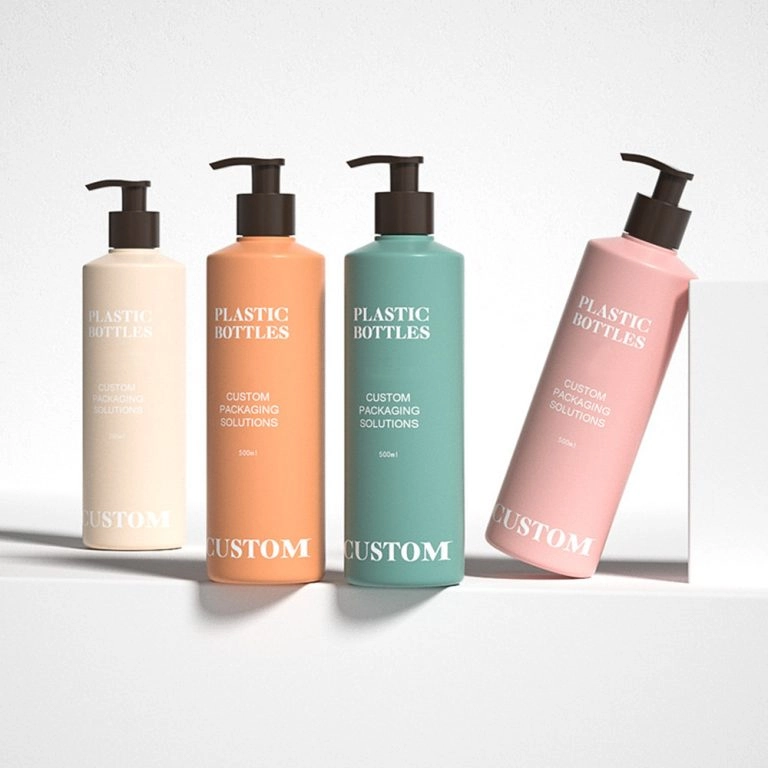
Un paquete vacío puede parecer adecuado y aun así comportarse mal una vez lleno. botella con dosificador de loción depende de que el sistema de bombeo funcione con la fórmula real y la salida deseada. Con envase de tubo exprimibleLa flexibilidad del cuerpo, el tamaño de la abertura y el diseño del cierre influyen en la facilidad con la que sale la loción.
La viscosidad es importante, pero no determina la decisión por sí sola. Dos fórmulas descritas como similares pueden comportarse de manera diferente en el mismo sistema de dosificación. Las muestras llenas revelan estas diferencias, y aún se puede cambiar la bomba, la salida o el cierre sin interrumpir el lanzamiento.
La precalificación puede evitar cambios de última hora en los planes de llenado, el diseño gráfico, los componentes y los plazos de producción.
Adapta la capacidad y el caso de uso al formato.
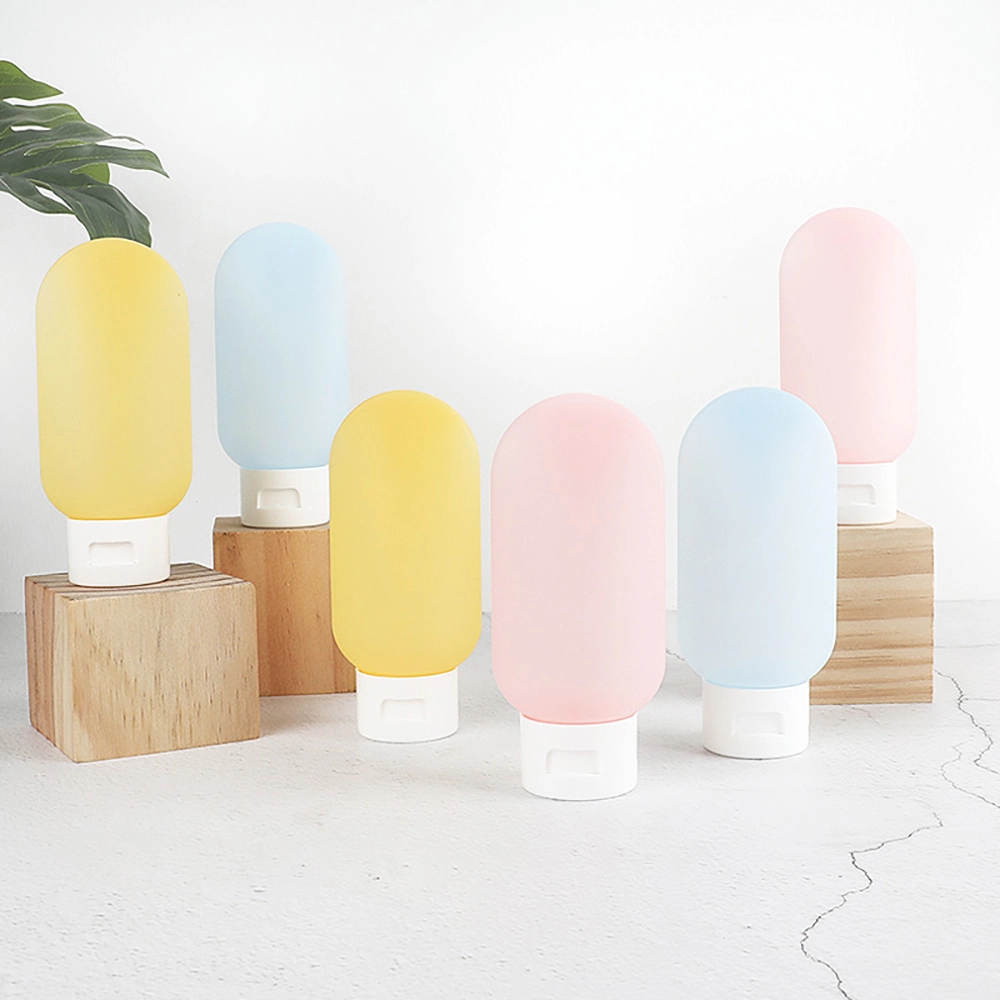
El caso de uso modifica la lógica del empaque. Una loción de mayor tamaño que se guarda en el mostrador del baño puede ser más adecuada para un dispensador con bomba que se pueda usar con una sola mano. Los productos más pequeños, como los estuches de viaje, las bolsas de gimnasio, los kits de regalo o las cajas de suscripción, pueden beneficiarse más de un tubo compacto.
Jaunce Industrial trabaja con formatos de botella y tubo. gama de botellas de loción Ofrece a las marcas una alternativa de envase que les permite compararse con los tubos cosméticos, en lugar de forzar que todos los productos de cuidado corporal se adapten a un único formato. La estructura de productos actual de Jaunce Industrial incluye las categorías de Botellas de Plástico y Tubos de Plástico.
Una vez que ambos formatos cumplen con los requisitos del producto, la siguiente pregunta es comercial: ¿cuánto cuesta lanzar y repetir cada ruta?
¿Qué costes importan más allá del precio unitario?
Un presupuesto para botellas y otro para tubos pueden parecer similares por unidad, pero cubren diferentes componentes, decoración, requisitos de llenado, embalaje y flete. Comparar solo el precio del contenedor vacío puede ocultar parte del costo real del proyecto. Una herramienta útil envase de loción corporal La comparativa analiza todo el proceso, desde la aprobación hasta la producción en serie.
Comparación de costes de componentes para botellas y tubos con bomba
El envase con bomba consta de una botella y un sistema de bombeo, y puede incluir una tapa protectora o elementos decorativos. Un tubo tiene su propio cuerpo, abertura de dispensación y cierre. El color personalizado, la decoración especial, los componentes no estándar o el ensamblaje adicional pueden incrementar el costo en ambos casos.
Más componentes no significan automáticamente mejor. Una bomba compleja aporta poco valor cuando un sistema más sencillo dispensa de forma fiable, mientras que eliminar una pieza funcional simplemente para reducir el precio puede generar problemas de dispensación o fugas.
Para proyectos con tubos fluorescentes, Jaunce Industrial también ofrece una Tubo de 60 ml para envase de loción cosmética Dentro de su gama de tubos de plástico. La idoneidad de la fórmula, el cierre, el llenado y el envase final aún requiere una cualificación a nivel de proyecto.
Sitúe la cantidad mínima de pedido (MOQ) en el contexto del volumen de lanzamiento.
El MOQ más bajo rara vez es la decisión completa. Un nuevo loción corporal de marca propia Puede beneficiarse de un molde existente y una decoración sencilla. Un producto probado con un volumen de ventas previsto más elevado puede justificar colores personalizados, herramientas o desarrollo estructural cuando estos cambios satisfacen una necesidad funcional o de marca real.
Jaunce Industrial ofrece soporte para formas personalizadas, colores personalizados, serigrafía y proyectos OEM. Desarrollo de envases cosméticos OEM/ODM Ofrece a las marcas otra alternativa cuando un paquete estándar ya no se ajusta a las necesidades del cliente.
El primer pedido debe ser comercialmente viable y el segundo, repetible. El precio y la cantidad mínima de pedido pueden limitar las opciones, pero el producto aún debe demostrar su eficacia con la fórmula real antes de que comience la producción.
¿Qué se debe probar antes de la producción en masa?
Un presupuesto confirma el precio, no el rendimiento del envase. Es necesario revisar la botella o el tubo seleccionado, teniendo en cuenta la fórmula, el sistema de dispensación, la decoración y el método de llenado. Los problemas detectados durante el muestreo suelen ser más fáciles de corregir. El mismo problema después de la producción puede derivar en retrabajo, inventario inutilizable, retrasos en el llenado o el incumplimiento de la fecha de lanzamiento.
Pruebe el paquete completo, no solo los componentes vacíos.
Las pruebas de llenado permiten comprobar rápidamente si una bomba dispensa el producto de forma uniforme o si un tubo requiere demasiada fuerza de presión. Al mismo tiempo, se puede evaluar el ajuste del cierre, las fugas y la manipulación.
Un paquete que funciona bien en una mesa de muestras puede comportarse de manera diferente una vez que las cajas se empaquetan y envían. Por lo tanto, aprobar el paquete completo proporciona al equipo de compras una base más sólida para seguir adelante. También puede revelar características que aumentan el costo sin mejorar el uso real.
Bloquear la especificación y confirmar el cronograma
Una vez aprobados el envase, la bomba o la tapa, el material, el color, la decoración y las dimensiones críticas, estos se convierten en la referencia para la producción en masa y los pedidos repetidos. Un cambio posterior en la fórmula o en un componente principal puede reabrir las revisiones afectadas.
La planificación del proyecto se comprende mejor cuando se divide en etapas:
- Muestreo estándar o personalizado
- Herramientas, cuando sea necesario
- Aprobación de decoración
- Comprobaciones de compatibilidad o de paquetes completos
- Producción en masa
- Inspección y envío
Esto proporciona a los equipos de compras y marketing un cronograma con el que pueden planificar y facilita la detección de retrasos.
Cómo comparar proveedores de envases para cosméticos
Una vez definida la ruta de empaquetado, el control del proveedor se convierte en la decisión más importante. Un presupuesto bajo revela poco sobre los cambios en las especificaciones, la consistencia de la producción o la respuesta de calidad. Un proveedor competente Cómo manejar fallas internas de bomba o Aplicaciones versátiles en todas las industrias Es necesario trasladar el paquete aprobado a la producción en serie sin perder los detalles que lo hicieron aceptable.
Enviar la misma solicitud de cotización a todos los proveedores.
Una útil envase de loción corporal La solicitud de cotización (RFQ) proporciona a cada proveedor la misma información inicial:
- Tipo de fórmula y viscosidad aproximada
- Capacidad objetivo y preferencia de botella o tubo
- Preferencia de material, si ya está definida.
- Requisito de bomba, salida o cierre
- Color y decoración
- Cantidad del pedido, mercado objetivo y fecha de lanzamiento.
Esto facilita la comparación de cotizaciones y muestra si una Aplicaciones versátiles en todas las industrias Una de ellas contempla precios de embalaje estándar, mientras que otra incluye personalización o utillaje.
Las marcas que comparan proveedores también pueden utilizar Jaunce Industrial. ความเห็นบน: La evolución de las formas de las botellas de perfume: del clásico al contemporáneo revisar criterios de abastecimiento más amplios.
Comparación del muestreo, el suministro repetido y la respuesta de calidad
Una vez que un producto empieza a venderse, el tamaño del catálogo deja de ser relevante. En ese momento, la aprobación de muestras, el control de especificaciones, la consistencia en los pedidos repetidos y una respuesta práctica ante desviaciones en los componentes o la decoración cobran mayor importancia.
Lo mismo se aplica al evaluar un fabricante de tubos cosméticosEl cuerpo del tubo, el cierre, la decoración y el rendimiento del envase lleno deben ajustarse al proyecto aprobado. Los proyectos de botellas con dosificador requieren un control equivalente.
Jaunce Industrial fabrica botellas y tubos de plástico y ofrece soporte para proyectos de envases cosméticos personalizados. Su capacidad de fabricación genera diversas opciones; la muestra y las especificaciones aprobadas determinan la idoneidad del proyecto.
Conclusión
El derecho envase de loción corporal El formato depende del flujo de la fórmula, la dosis objetivo, la capacidad, el caso de uso, el llenado, la cantidad mínima de pedido (MOQ), el costo total del proyecto y los planes de pedidos repetidos. Los frascos con dosificador pueden ser una buena opción para el uso frecuente en el hogar, mientras que los tubos exprimibles son adecuados para proyectos donde la portabilidad y el manejo compacto son importantes. Ninguno de los formatos es ideal para todos los proyectos.
Botella de perfume -50ml botella de perfume transparente Jaunce - Jaunce industrial Cómo manejar fallas internas de bomba También implica más que comparar precios de contenedores. El muestreo, el control de especificaciones, la programación realista del proyecto, el suministro repetido y la respuesta de calidad afectan el costo real de un lanzamiento. Para una loción corporal o envases para el cuidado corporal Para el proyecto, envíe a Jaunce Industrial su tipo de fórmula, capacidad objetivo, formato de botella o tubo preferido, preferencia de material, cantidad, decoración, requisito de dispensación, mercado objetivo y fecha de lanzamiento, luego Contactar con Jaunce Industrial para analizar las opciones de embalaje más adecuadas y solicitar una cotización.
PREGUNTAS FRECUENTES
P1: ¿Son mejores los frascos con dosificador o los tubos exprimibles para las lociones corporales?
R: Ninguna opción es universalmente mejor. La fórmula, la dosis, la capacidad, el envasado, el uso previsto, el envío y el coste son factores importantes. Probar la loción en el envase propuesto es más fiable que elegir por su apariencia.
P2: ¿Qué envase funciona mejor para una loción corporal espesa?
R: El grosor por sí solo no determina el formato. El diseño de la bomba, la flexibilidad del tubo, el tamaño de la salida, el cierre y el comportamiento real de la fórmula influyen en la dosificación. Una muestra llena es la mejor opción para la cualificación.
P3: ¿Son más baratos los tubos exprimibles que los frascos con dosificador de loción?
R: No necesariamente. Compare las bombas o cierres, la decoración, el llenado, el flete, las pruebas, las herramientas (cuando sean necesarias) y la cantidad mínima de pedido (MOQ). El precio más bajo para el paquete vacío no necesariamente resulta en el menor costo total del proyecto.
P4: ¿Qué información necesita un proveedor de envases para cosméticos para elaborar un presupuesto de loción corporal?
R: Indique el tipo de fórmula, la viscosidad aproximada, la capacidad, el formato, la preferencia de material, los requisitos de dosificación, la decoración, la cantidad, el mercado objetivo y la fecha de lanzamiento. Una solicitud de cotización coherente facilita la comparación de presupuestos.
P5: ¿Qué factores influyen en la cantidad mínima de pedido (MOQ) y el plazo de entrega para el envasado personalizado de lociones corporales?
R: La cantidad mínima de pedido (MOQ) y los plazos de entrega varían según el modelo (ya sea estándar o personalizado), el utillaje, la decoración, los componentes, las pruebas y la cantidad. Solicite información sobre los plazos de entrega para el muestreo, la aprobación, la producción en masa, la inspección y el envío.