

202g
Se trata de una hermosa botella de perfume negro con un hombro recto, dándole una apariencia suave y elegante. La superficie de la botella se trata con pintura negra mate, presentando una textura discreta y exquisita, evitando la dureza de una superficie brillante. En el hombro de la botella, hay exquisitos patrones de estilo étnico que se extienden hasta la boca de la botella, agregando un encanto cultural único al diseño general, haciendo que la botella sea distintiva y llamativa.
La tapa de oro rosa mate se combina con dos discos internos blancos de sellado: los discos crean una barrera adicional contra el aire, el polvo y la contaminación, mientras que el diseño elegante de la tapa complementa la elegante silueta general del frasco. Jaunce Cuando usted graba una botella de perfume, la tapa llama la atención primero. Una tapa de botella de vidrio de perfume bien elaborada equilibra un aspecto bonito con fácil uso. Debe parecer elegante. Sin embargo, debe sentirse cómodo de sostener, abrir y cerrar. El peso, la textura y el sabor de la tapa pueden hacer que el aroma se sienta especial. Una tapa débil o suelta puede arruinar incluso la fragancia más fantástica.La botella está equipada con un spray de aleación y una tapa externa esférica negra. La combinación de aleación y negro mate crea un efecto de contraste armonioso y lujoso, encarnando perfectamente el estilo discreto pero lujoso. y esta botella de perfume está disponible en tres opciones de capacidad: 30ml, 50ml y 100ml, que pueden satisfacer plenamente las necesidades de diferentes ocasiones. La botella está equipada con un pulverizador de prensa snap-on, que tiene un excelente efecto de atomización. Cuando se prensa, el perfume se pulveriza en una niebla fina y uniforme, lo que permite que la fragancia se extienda uniformemente sobre la piel. La sensación de prensa del pulverizador es suave y la salida de líquido es estable, proporcionando una experiencia de uso conveniente y agradable para los usuarios. Capacidad: 30ml / 50ml / 100ml Modelo: JH-PHXHB4550 / JH-PHXHB5756 / JH-PHXBHC6866 Color: Negro, también acepta la personalización cualquier color pantone MOQ: 10000pcs Accesorios: spray de niebla y tapa de bola
30ml 50ml 100ml botella de perfume de color negro con tapa de bola - Jaunce industrial
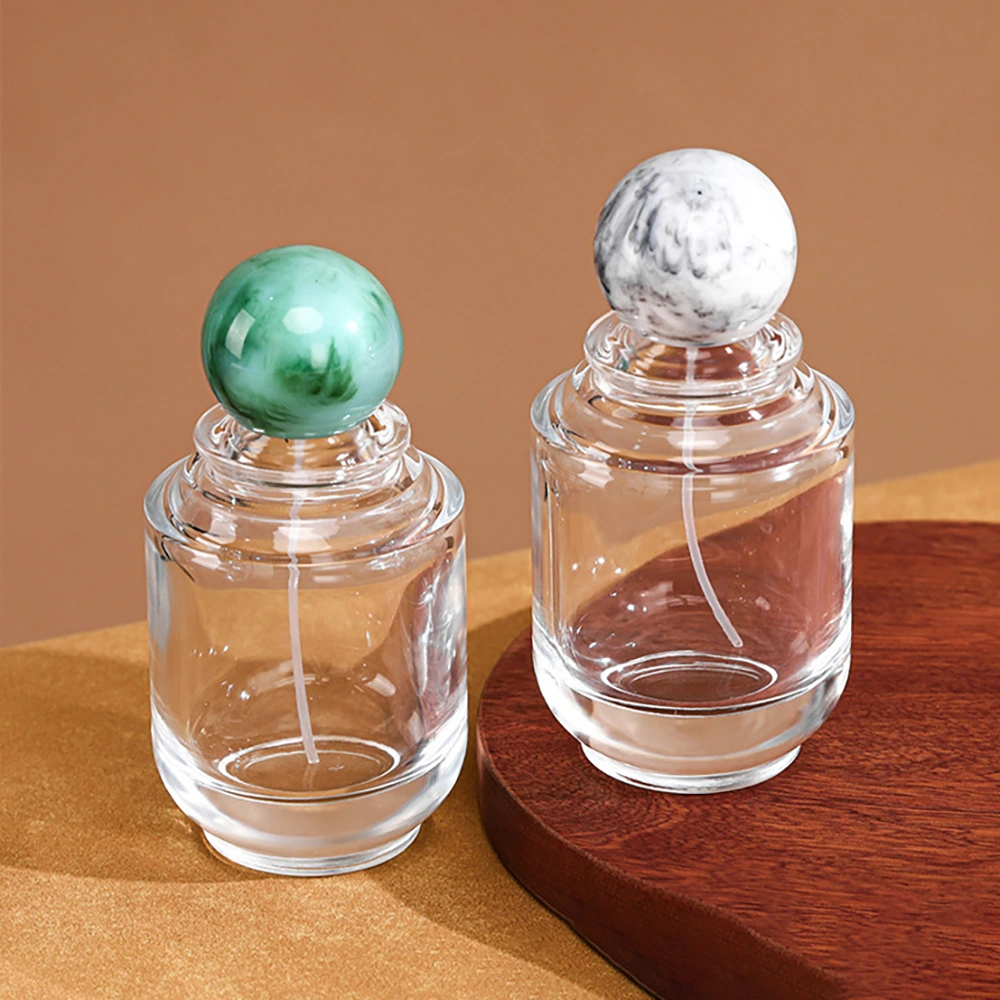
Nuestra colorida botella redonda de 30 ml con fondo de vidrio grueso y bomba de pulverización es una mezcla perfecta de estilo, funcionalidad y durabilidad. Está diseñado para satisfacer las necesidades tanto de los fabricantes de fragancias como de los consumidores, ofreciendo una solución elegante y práctica para la aplicación de fragancias.
Esta botella cuenta con un diseño vibrante y colorido, que llamará la atención dondequiera que se coloque. Su forma redonda de hombro agrega un toque de elegancia y refinamiento, lo que lo hace ideal para perfumes de gama alta. La gruesa base de vidrio no solo mejora el atractivo visual, sino que también garantiza la estabilidad, asegurando que la botella permanezca erecta y segura.
El fondo grueso de vidrio mejora la botella’ durabilidad, lo que lo hace menos propenso a la rotura.
Esta botella de perfume se puede personalizar con colores Pantone según las solicitudes del cliente. Hay dos opciones disponibles: color sólido y color transparente. Si prefieres color sólido o color translúcido, es una buena opción. También puede personalizar diseños de logotipos, etiquetas de contenido de texto, etc. en la botella para mejorar la conciencia de la marca.
O1CN01GZu9KX25jS0pEvtsm_!! 2778787562-0-cib
O1CN01nMqkxZ25jS0mWyniK_!! 2778787562-0-cib
O1CN01o1My8g25jS0i1B0WT_!! 2778787562-0-cib
O1CN01stNk7j25jS0i1osnY_!! 2778787562-0-cib
O1CN01VVeLQn25jS0nkfZC8_!! 2778787562-0-cib
O1CN013ROx7G25jS0pF0C0p_!! 2778787562-0-cib
Artículo: botella de perfume de vidrio Capacidad: 30ml Color: cualquier color pantone MOQ: 5000pcs Accesorios: tapa de cubierta de rociador de tornillo
Una miércoles, 14 ene 2026 09:00:29 0000 miércoles, 14 ene 2026 05:41:10 0000
Esto debe revisarse antes de aprobar el glaseado, el rociado, los acabados metalizados, los collares y las cajas de regalo. Una vez terminada la decoración, incluso un pequeño cambio en el sistema de bombeo puede retrasar el proyecto.
Ajuste de la tapa y de la muestra decorada
Un problema frecuente en los envases de perfumes es la diferencia de ajuste tras el acabado. Un tapón que se siente liso en una muestra transparente puede quedar más ajustado después del recubrimiento. Un collarín puede quedar ligeramente más alto tras la decoración. Una pieza impresa o chapada puede modificar la holgura alrededor del actuador.
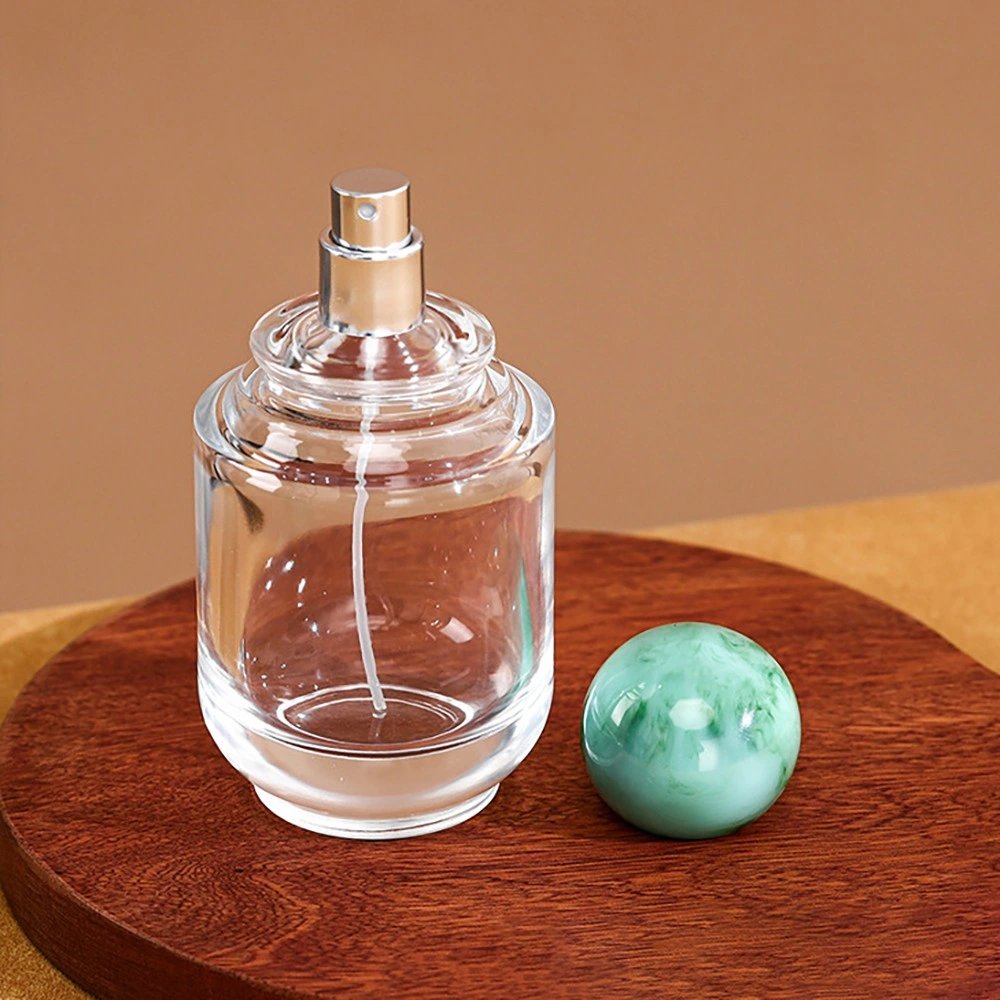
Se trata de una botella de forma cuadrada con una capacidad de 30 ml. Su fondo está hecho de vidrio grueso y está equipado con una bomba de pulverización.
- La gruesa base de la botella de vidrio mejora el peso general y la textura de la botella, dándole una característica de alta calidad que puede atraer a los consumidores que valoran la calidad. Esta característica también garantiza la botella’ durabilidad y reduce la posibilidad de rotura.
- Con una capacidad de 30 ml, esta botella es perfecta para viajes y uso en movimiento. Su tamaño compacto encaja fácilmente en bolsos o kits de viaje, lo que lo hace conveniente para los usuarios que deseen llevar su fragancia favorita donde quieran ir. También está equipado con una bomba de pulverización de alta calidad, que puede lograr un efecto de pulverización fino.
- Esta botella de perfume está hecha de vidrio de alta calidad y altamente transparente. El cuerpo cristalino es como un lienzo perfecto, lo que permite que los colores vívidos dentro del perfume se muestren claramente – ya sea’ los suaves tonos pastel, el rico color ámbar o el brillante líquido de esencia clara. Al mismo tiempo, puede reflejar la luz, emitiendo un brillo sutil pero lujoso, lo que lo hace destacar de manera única en cualquier camarón o mostrador de maquillaje.
- Los hombros redondeados, cuando deslizas los dedos a lo largo de la superficie, sentirás el acabado perfectamente pulido sin bordes áspero. Esta es precisamente la encarnación de la artesanía exquisita, que exuda una elegancia de bajo nivel.
- La botella con cuello de tornillo es fácil de llenar. Hay varios accesorios disponibles para la selección:
Spray: La bomba de pulverización incorporada está diseñada para la niebla de fragancia sin esfuerzo. Permite una distribución fina y uniforme del perfume, mejorando la experiencia general del usuario.
Dropper: La extracción líquida es precisa.
Por supuesto, también se puede usar en combinación con una bomba de emulsión.
O1CN01bcXuUf25jRq1MsQIb_!! 2778787562-0-cib
O1CN01BMqSCv25jRpzaTznZ_!! 2778787562-0-cib
O1CN01c2yVDu25jS0hoaZ0D_!! 2778787562-0-cib(1)
O1CN01dbU2PH25jRq37rhvm_!! 2778787562-0-cib
O1CN01P23meq25jS0etY0WN_!! 2778787562-0-cib
O1CN01YQLD1U25jRpwhwsCK_!! 2778787562-0-cib
Capacidad: 50ml Material: cuello de vidrio: tornillo Color: transparente MOQ: 5000pcs
https://www.cosmepak.com/es/producto/custom-logo-30ml-round-shoulder-glass-bottle-dropper-for-skin-care-serum-jaunce/
https://www.cosmepak.com/es/producto/custom-logo-30ml-round-shoulder-glass-bottle-dropper-for-skin-care-serum-jaunce/#respond https://www.cosmepak.com/es/producto/custom-logo-30ml-round-shoulder-glass-bottle-dropper-for-skin-care-serum-jaunce/feed/
El canal de venta modifica los requisitos. Un perfume vendido en tiendas físicas puede usar un tapón más pesado para mayor visibilidad en el estante. Una línea de perfumes para comercio electrónico requiere mayor atención a la estabilidad del tapón, la sujeción del inserto y el transporte del paquete. El mejor tapón no siempre es el más pesado. Un buen tapón es aquel que combina con el frasco, protege el pulverizador y resiste el envío.
Una simple comprobación al tacto no es suficiente. Tras decorar el envase, conviene abrir y cerrar la tapa varias veces. Se debe revisar el collarín para detectar arañazos. Después de guardarlo de lado, se debe comprobar que la tapa interior no tenga marcas del actuador ni residuos de perfume.
Control de fugas en frascos de perfume antes del llenado en masa.
“Gracias” — Jaunce industrial
| Cómo las botellas sin aire protegen sus fórmulas para el cuidado de la piel | Cuando pasas horas interminables y recursos significativos perfeccionando una receta de cuidado de la piel, tu principal preocupación. .. |
| Cuando pasas horas interminables y recursos significativos perfeccionando una receta de cuidado de la piel, tu principal preocupación no es solo cómo se siente en la piel hoy en día, sino lo poderoso que se mantenga dentro de seis meses. Para los compradores inteligentes y los propietarios de negocios, la vida útil de un producto de belleza es un espejo claro de la honestidad de la marca. Si su caro suero de vitamina C se vuelve marrón oscuro o su base líquida se vuelve gruesa y gruesa, sus clientes dejarán de confiar en usted inmediatamente. Esta destrucción del producto no suele ser un error en los propios ingredientes; En cambio, es un fracaso del entorno que los rodea. | Para combatir esto, el mundo de la belleza se ha movido hacia envases de alta tecnología que actúan como un fuerte sólido. Antes de profundizar en los pequeños detalles de cómo mantener las cosas frescas, debe asociarse con un socio que vea el envasado como una ciencia seria en lugar de simplemente una caja de plástico barata. |
| Realmente destaca en este mercado ocupado, actuando no solo como una fábrica, sino como un socio inteligente para las empresas que se preocupan profundamente por cuánto tiempo sus líquidos permanecen frescos. Con un enfoque muy fuerte en la ciencia de los materiales y la construcción súper precisa, se enfocan en sistemas de vacío y frascos de bloqueo de luz que detienen la descomposición química de las partes activas. Su forma de hacer las cosas mezcla un aspecto bonito con reglas técnicas muy estrictas, asegurando que cada bomba individual le dé al usuario la misma fuerza que el primer día en que se hizo. Al elegir un socio con este tipo de habilidad profunda, se deshace de los juegos de adivinar en su cadena de suministro y le da a sus compradores un producto que realmente hace lo que dice en la etiqueta. | Los enemigos de la eficacia: por qué los activos fracasan |
| Probablemente ya te das cuenta de que la luz brillante y el aire en movimiento son las principales cosas que causan la pudrición química, pero la velocidad a la que estas cosas arruinan una fórmula es a menudo mucho más rápida de lo que la gente supone. Cuando dejas que una fórmula toque oxígeno, comienza un proceso desordenado llamado oxidación. Esto es especialmente terrible para “ superhéroe” ingredientes como el retinol, la vitamina C y diferentes tipos de péptidos. Estas pequeñas moléculas son naturalmente temblorosas; Siempre buscan algo con lo que reaccionar. Si reaccionan con el aire sentado dentro de una botella, son “ usado” antes de tener la oportunidad de tocar la piel del cliente. | Además de la oxidación, los pequeños gérmenes son un problema tranquilo pero mortal. Cada vez que un usuario sumerge sus dedos en un frasco abierto de antigua moda, básicamente caen bacterias, moho difuso y levadura. Incluso si pones muchos productos químicos fuertes allí para detener la pudrición, dejar entrar aire todo el tiempo hace que sea súper difícil mantener un espacio limpio. Es por eso que los productos de nivel profesional necesitan un sistema cerrado. Al deshacerse de la necesidad de una tapa que tiene que desenroscar, disminuye enormemente la carga germinal en la crema. Esto te permite hablar de “ limpiador” o “ baja química” etiquetas que la gente realmente quiere comprar. |
| Pasar de viejos frascos a estos sistemas inteligentes no es solo una moda pasajera; Es un requisito total de rendimiento. Esto nos lleva a la respuesta mecánica que ha cambiado toda la industria: la bomba sin aire. | Cómo la tecnología sin aire redefine la vida útil del producto |
| El secreto inteligente de un sistema sin aire es que dice “ no” a la vieja moda “ paja” o tubo de inmersión. En una botella de bomba normal, un tubo de plástico cae en el líquido. A medida que bombea las cosas, el aire se aspira de nuevo a la botella para llenar el espacio vacío. Este aire aporta oxígeno y pequeños insectos invisibles. En contraste agudo, una botella sin aire utiliza un astuto truco de vacío. Una pequeña placa redonda llamada pistón en la parte inferior de la botella se mueve lentamente hacia arriba a medida que el producto sale, empujando físicamente al líquido hacia la parte superior. El aire nunca vuelve a entrar en la botella. | Para tu marca, esto te da tres grandes victorias. En primer lugar, el producto permanece en un vacío completo desde el segundo que se vierte hasta que se bombea la última gota. En segundo lugar, el pistón móvil actúa como una compresora, raspando las paredes interiores de la botella totalmente limpias. Esto asegura que obtenga una tasa de vacío del 99%, lo que significa que sus clientes ganaron ’ t enojarse porque la crema cara está atascada en la parte inferior donde pueden’ Tercero, la falta total de aire impide que la fórmula se seque y cruste. Si usted está vendiendo una base de maquillaje con mucho color, una botella sin aire de suero cosmético garantiza que el grosor se mantenga exactamente el mismo, deteniendo que bruto “ secado” suele ver alrededor de la punta de las bombas normales. |
| Esta precisión mecánica es vital para botellas grandes, pero la misma lógica inteligente funciona para dosis pequeñas y más caras donde cada gota vale mucho dinero. | Precisión para lotes pequeños y soluciones de viajes |
No todos los productos de belleza necesitan una casa grande de 50ml o 100ml. En realidad, algunos de los tratamientos más poderosos, como geles oculares, cremas para pimples y aceites faciales de lujo, son mucho mejores cuando se venden en pequeñas cantidades. Para estos usos especiales, el material que elijas es tan vital como la propia bomba. El polipropileno (PP) es la mejor opción aquí porque es muy resistente a los productos químicos. No reacciona con las partes oleosas de su receta, asegurándose de que no sea extraño “ plástico” huelo se filtra en su crema cara.
Para las marcas que quieren entregar pequeños probadores o tamaños de viaje de gama alta, usar un paquete de crema líquida de botella de suero sin aire de 5 ml de 10 ml y 15 ml de material PP es un movimiento de negocios muy inteligente. Estas pequeñas unidades mantienen la misma resistencia sellada al vacío que las enormes. Cuando le das a alguien una muestra en una botella sin aire real en lugar de un paquete de papel plano, les dejas probar el producto durante varios días mientras todavía está fresco y fuerte. Esto realmente ayuda a más personas a decidir comprar la versión de tamaño completo porque el producto realmente funciona de la manera que se supone durante toda la prueba.
Cómo Jaunce Industrial gestiona la combinación de frascos de perfume
Para los proyectos de frascos de perfume, Jaunce Industrial suele comenzar con los elementos que afectan al ensamblaje: capacidad del frasco, tamaño del cuello, tipo de pulverizador, bomba de crimpado, ajuste del tapón, acabado superficial y embalaje en caja de cartón. Esto permite a los compradores comprobar si el frasco de vidrio seleccionado se ajusta al proceso de llenado y a la ruta de envío antes de que el pedido entre en producción.
Mientras que la tecnología sin aire se ocupa del problema del aire, también tenemos que hablar del peligro de la luz. Si estás trabajando con aceites esenciales naturales o extractos vegetales, estás tratando con cosas que son muy sensibles a la luz. Los rayos UV del sol pueden literalmente romper las cadenas químicas de moléculas de olor y aceites, convirtiendo un buen olor en un olor químico extraño y eliminando todos los beneficios curativos.
Cuando busques tu envase, debes pensar en la cantidad de luz que deja entrar la botella. Una botella transparente sin aire es ideal para mostrar un suero bastante espumoso, pero para una fórmula basada en aceites naturales, necesitas una botella que bloquee los rayos UV. Muchas botellas sin aire de alta calidad se pueden hacer con paredes de colores sólidos o recubrimientos especiales que filtran la luz. Esto “ doble escudo” El uso de un vacío contra el aire y paredes sólidas contra la luz crea el hogar más seguro posible para el cuidado de la piel moderna.
Conclusión
Esto es muy importante para el maquillaje. Muchos productos faciales tienen hierro y colores delicados que cambian su sombra cuando tocan la luz y el aire. ¿Alguna vez has notado un maquillaje de cara que se vuelve un color naranja extraño después de que lo poseas durante unas semanas? Eso es oxidación. Una botella sin aire y a prueba de luz mantiene el color “ verdadero” desde el primer día hasta el último, que es la razón más grande por la que los clientes vuelven a comprar el mismo maquillaje de nuevo.
Para proyectos de fragancias B2B, Jaunce Industrial ayuda a los compradores a combinar frascos de perfume de vidrio con pulverizadores, bombas de crimpado, tapas, decoración de superficies y embalaje de cartón antes de la aprobación del pedido al por mayor. Para crear frascos de perfume que luzcan de primera calidad y se transporten sin problemas, Contactar con Jaunce Industrial Recogida
PREGUNTAS FRECUENTES
La botella adecuada es una mezcla de buena ciencia y buena ayuda. No es suficiente simplemente comprar cualquier botella vieja; Una crema que es demasiado gruesa puede necesitar un muelle más fuerte en la bomba, mientras que un aceite acuoso muy delgado necesita un agujero muy pequeño para evitar que se pulverice por todas partes.
El lado útil del embalaje significa tener controles muy estrictos para asegurarse de que cada botella es perfecta. Debe estar 100% seguro de que cada pistón está sentado en la dirección correcta y cada sellado es totalmente hermético. Trabajar con un especialista que se preocupe por estas cosas le permite cambiar el aspecto de la botella, utilizando impresión de lujo, lámina brillante o colores especiales, sin romper la útil parte de vacío del diseño sin aire. Esta forma completa de ver su cadena de suministro se asegura de que su marca está a salvo de los altos costos de tener que devolver productos y la mala suerte de las críticas medias en línea.
Al poner la ciencia de mantener las cosas frescas en primer lugar, no solo estás comprando un frasco; usted está comprando una red de seguridad para su duro trabajo. Asegúrese de que el duro trabajo que pone en la recogida de sus ingredientes realmente llega a la piel de la persona que la compró. Al final, su éxito depende del líquido dentro que se mantenga perfecto hasta que el recipiente esté vacío.
P: ¿Las botellas de bomba sin aire pueden ser reutilizadas o rellenadas por la persona que las compra? R:
En su mayoría, estas botellas se hacen para ser usadas una vez y luego tiradas para asegurarse de que se mantengan limpias y mantengan su sello de vacío. Si bien técnicamente se puede empujar la placa inferior hacia abajo con un bastón, hacer eso en una habitación normal arruina todo el punto del diseño sin aire. Deja entrar aire sucio en la botella. Para una marca, es mucho más inteligente vender una botella totalmente sellada para que la crema se mantenga fresca y segura hasta que todo se haya ido.
P: ¿Las botellas sin aire funcionan con cremas realmente pesadas o bálsamos gruesos?
R: Los sistemas sin aire son realmente excelentes para cremas gruesas porque la placa móvil en la parte inferior empuja el producto hacia arriba, lo que una bomba de paja normal puede’ Sin embargo, para bálsamos súper gruesos que son casi sólidos, tienes que asegurarte de que se viertan correctamente para que no haya grandes burbujas de aire. La mayoría de las cremas faciales normales y líquidos de maquillaje funcionan perfectamente con este tipo de botella.
P: ¿Por qué el PP (polipropileno) es el plástico favorito para estas botellas sin aire?
R: PP es una opción superior porque es “ silencioso” químicamente. No’ t reaccionan con la mayoría de los ácidos, líquidos o aceites. Esto significa que ganó’ Cambiar los ingredientes o hacerlos oler a plástico. También es seguro, fuerte y no’ t tienen productos químicos malos como BPA, lo que lo hace una elección muy profesional e inteligente para líneas de cuidado de la piel de alta calidad.
Aprende cómo las botellas sin aire protegen las fórmulas para el cuidado de la piel de la oxidación, la contaminación y la exposición a la luz, preservando la eficacia de los activos como la vitamina C y el retinol. (134 caracteres)