

The QR code usually appears late in a cosmetic packaging project.
The bottle has been selected. The carton design is approved. The finish looks right. Then the brand team asks, “Can we add a QR code?” Sometimes the answer is yes. Sometimes the label is already full, the surface is too curved, or the code weakens the look of a premium package.
NFC packaging has the same issue in another way. The tag can be hidden, but it still needs the right tap position. If customers cannot find it, or the tag responds poorly after the carton or cap is assembled, the extra cost does not help much.
For B2B buyers, QR code packaging and NFC packaging should be planned before sample approval. The question is not only where to place the code. It is what the digital feature should do: authentication, batch lookup, product instructions, multilingual content, loyalty registration, or repeat purchase support.
Jaunce industrial works with custom cosmetic packaging for skincare, fragrance, makeup, personal care, and private-label beauty projects. Since bottles, jars, tubes, caps, labels, and cartons all behave differently, smart packaging should be matched to the actual package instead of added as a final artwork detail.
Why Smart Cosmetic Packaging Matters in 2026
For 2026 beauty packaging projects, connected packaging is moving from a nice-to-have feature to a practical buying point. QR codes, NFC, and RFID are now more often tied to authentication, traceability, product education, and post-purchase engagement.
For cosmetic packaging, the reason is practical: the label has limited space. A skincare product may need usage steps, ingredient notes, warnings, batch information, recycling guidance, and brand messaging. A perfume box may need to stay clean and premium. A foundation package may need shade guidance without crowding the design.
QR and NFC help move deeper information online while keeping the physical package clean.
Common smart packaging goals include:
- Product authentication
- Batch lookup
- Usage instructions
- Multilingual product pages
- Refill or recycling guidance
- Distributor support
- Membership registration
- Repeat purchase traffic
The scan or tap should lead to something useful. A general homepage is weak. A product page, batch check, shade guide, or reorder page gives the feature a real job.
QR Code Packaging: Best for Scale
QR code packaging is usually the practical choice for large-volume cosmetic packaging. It is visible, familiar, and easier to apply across multiple SKUs.
A QR code can be placed on:
- Back labels
- Outer cartons
- Insert cards
- Neck tags
- Security seals
- Sleeves
- Bottom labels
For skincare bottles, QR code packaging can link to routine steps, storage tips, or formula notes. For foundation packaging, it can guide shade selection or application. For essential oil packaging, it can connect to safety notes, origin details, or batch information.
The printed code must be treated as part of the design. Size, contrast, quiet space, surface finish, and scan distance all matter. A code on a glossy dark label or narrow curved area may look fine in artwork but fail in real use.
NFC Packaging: Better for Premium Projects
NFC packaging is usually worth reviewing when the product has a higher price point, stronger brand story, or anti-counterfeit need.
Good candidates include:
- Premium perfume packaging
- Luxury skincare sets
- Essential oil gift boxes
- High-value serum collections
- Limited-edition cream jars
- Distributor-exclusive beauty products
NFC does not need a visible printed mark. A customer can tap the box, cap, lid, or closure area and open a digital page. This is useful for premium packaging where a visible QR code may feel out of place.
NFC can support authentication, VIP registration, fragrance notes, product origin, or distributor control. Because it costs more than a printed QR code, it should be used where the product value and channel risk justify it.
A practical rule: use QR code packaging for scale; review NFC packaging for premium products, anti-counterfeit projects, or stronger brand storytelling.
QR Code Packaging vs NFC Packaging
| Buying question | QR code packaging | NFC packaging |
| Cost level | Lower | Higher |
| Best fit | Multi-SKU lines, export packaging | Premium and anti-counterfeit projects |
| Visibility | Printed and visible | Hidden or discreet |
| User action | Scan with camera | Tap with phone |
| Common position | Label, carton, insert, seal | Carton, cap, lid, closure, tag |
| Main use | Instructions, batch page, reorder link | Authentication, VIP content, brand story |
The better choice depends on product value, package space, customer behavior, and security needs. A daily-use lotion bottle may only need a QR code. A premium perfume gift box may justify NFC.
Product-Specific Placement Tips
QR Placement for Skincare Bottles
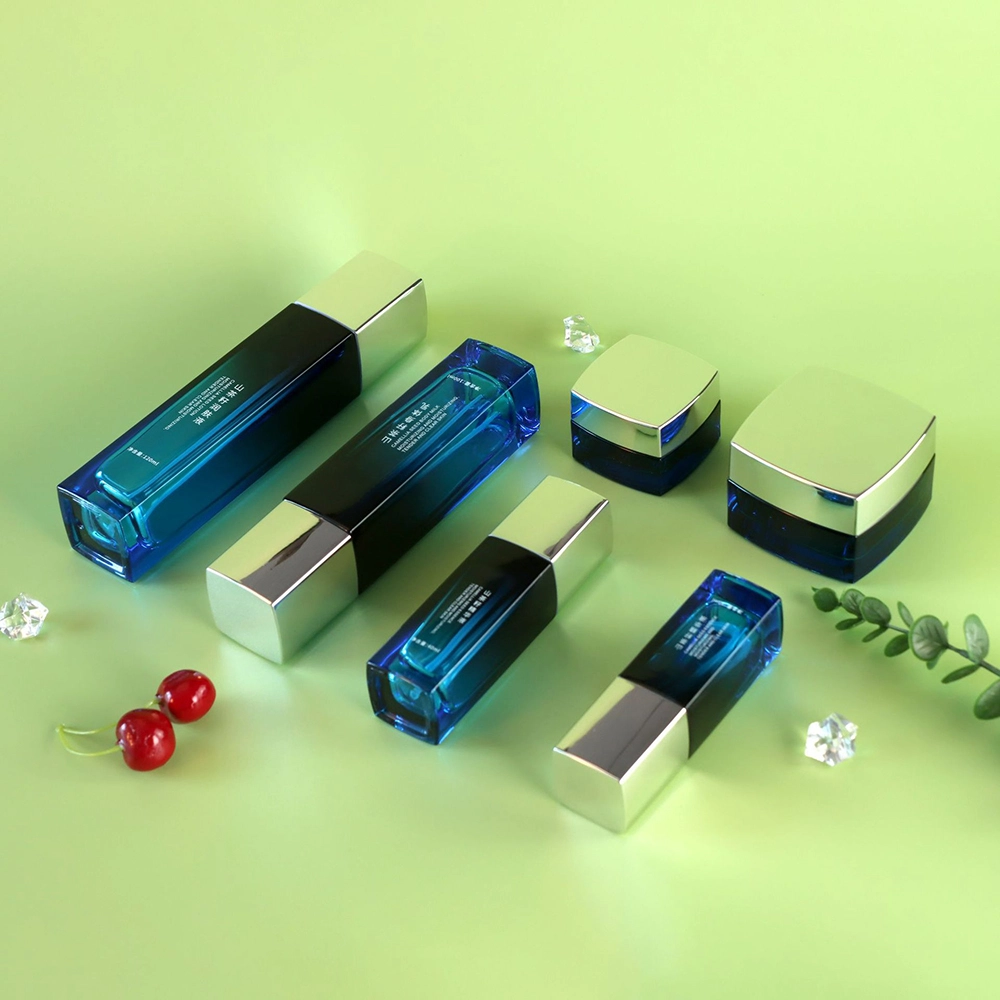
Skincare glass bottles, including serum bottles, toner bottles, lotion bottles, and essence bottles, often have enough label or carton space for QR code packaging. The code can open routine guidance, usage amount, storage notes, or batch details.
For frosted glass, spraying, silk screen printing, metallic effects, or dark labels, scan testing should happen before bulk production.
Scan Guidance for Airless Bottles
Airless bottles often need short usage instructions. A QR code can show pump priming, dosage, storage, and refill notes.
The back label or carton usually works better than small pump parts. Final placement should be checked with the assembled package.
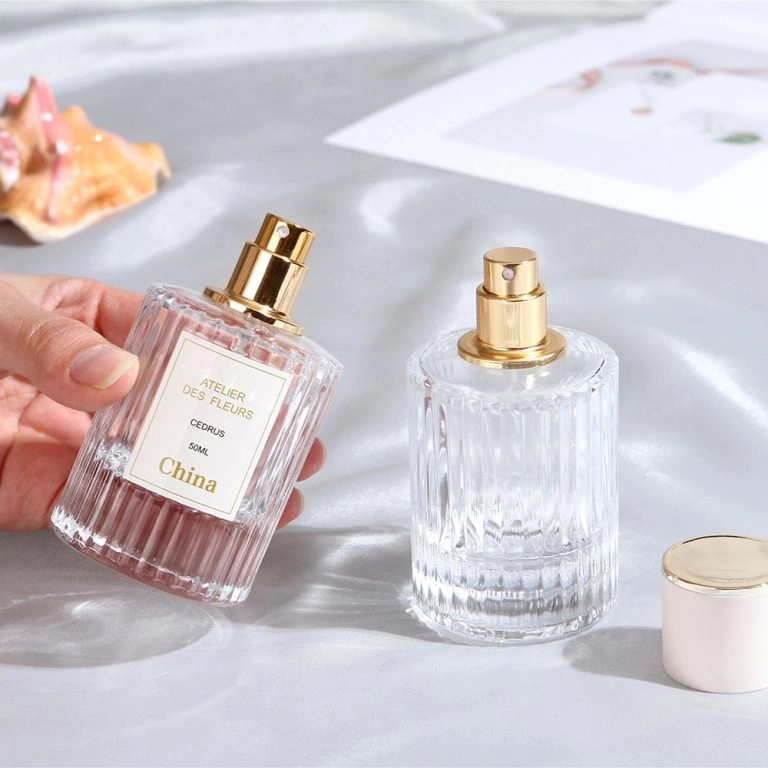
NFC Options for Perfume Gift Boxes
Premium perfume packaging is sensitive to visual balance. A large QR code on the bottle may weaken the premium feel.
The outer box, neck tag, insert card, cap area, or NFC tag is usually a better route. NFC can open fragrance notes, authenticity checks, origin stories, or loyalty registration.
Smart Packaging for Essential Oil Bottles
Essential oil bottles are often small. The carton, insert card, or neck tag usually gives better readability than the bottle label.
A QR or NFC feature can link to usage guidance, storage advice, safety notes, batch lookup, or product origin.
QR or NFC Placement on Cream Jars
Cream jars can use the lid, bottom label, outer carton, insert card, or sleeve. For premium jars, NFC may work in the lid or carton area if the structure allows it.
For refillable cream jar projects, a QR code can explain refill steps, replacement parts, or recycling instructions.
QR Code Use for Makeup Packaging
Foundation bottles, lip products, compact cases, and small cartons have limited space. QR placement should not compete with the logo, shade name, or required label copy.
A QR page can support shade guidance, tutorials, application tips, or reorder links. For limited makeup collections, NFC may support brand story or authentication.
What Buyers Should Test Before Bulk Production
Smart cosmetic packaging needs real sample testing, not only artwork approval.
Before mass production, buyers should check:
- QR scan rate
- NFC tap response
- Code size and contrast
- Surface finish effect
- Label adhesion
- Carton assembly
- Code position after packing
- Landing page accuracy
- Batch or authentication logic
The landing page matters as much as the code. If 30,000 units are printed with one QR code, the linked page must stay active and correct after launch. For batch-specific or authentication projects, the code system should be confirmed before printing starts.
The best time to find a problem is during sampling. After bulk printing, even a small code issue becomes expensive.
How Jaunce industrial Supports Smart Packaging Projects
In a real custom cosmetic packaging project, the QR or NFC discussion should sit beside artwork proofing, surface finish, carton layout, and sample testing—not after them. Jaunce industrial can review the smart feature together with the bottle, jar, tube, cap, pump, label, or carton structure before production details are confirmed.
Buyers can decide whether the project needs a visible QR code or a hidden NFC tag, and whether the digital link should be static, product-specific, batch-specific, or connected to an authentication system. For some brands, the best destination is a product instruction page. For others, it may be a batch lookup page, distributor verification page, loyalty registration page, or reorder page.
Useful inquiry details include product type, capacity, material, order quantity, artwork status, surface finish, preferred placement, code type, landing page plan, and the required function of the QR or NFC feature.
Conclusión
For 2026 packaging projects, QR code packaging and NFC packaging should be planned before the sample is approved. A skincare bottle may need a back-label QR code. A perfume gift box may work better with NFC. A small essential oil bottle may need the digital feature moved to the carton.
Before placing a bulk order, buyers should confirm package size, finish, artwork status, order quantity, code placement, landing page plan, and authentication needs.
To start a smart cosmetic packaging quote, buyers can send Jaunce industrial the product type, capacity, target quantity, artwork status, preferred finish, QR/NFC placement idea, and the digital function required.
PREGUNTAS FRECUENTES
Q1: Can QR codes be added to custom cosmetic packaging before sampling?
A: Yes. Placement should be checked early, especially on small labels, curved surfaces, or decorated packaging.
Q2: Is NFC packaging better than QR code packaging?
A: Not always. NFC suits premium and anti-counterfeit projects. QR codes are better for scalable product lines.
Q3: Should the smart feature go on the bottle or carton?
A: Bottles work with enough space. Cartons are safer for small containers, luxury designs, or complex finishes.
Q4: What should be tested before bulk production?
A: Scan rate, tap response, code contrast, label adhesion, carton assembly, landing page accuracy, and authentication logic.
Q5: What details are needed for a smart packaging quote?
A: Product type, capacity, quantity, artwork, finish, preferred placement, and the QR or NFC function needed.