

Serum pump bottles wholesale projects should be specified around the finished formula and dispensing task, not a bottle silhouette alone. A 30ml glass pump bottle, a dropper bottle, and a 15ml airless bottle can all look appropriate in a catalog while creating different filling, dosing, compatibility, and user-experience requirements.
This guide helps skincare brands, importers, and contract fillers compare serum packaging formats, test a complete assembly, and prepare a quotation that suppliers can price on the same scope.
Define the serum and dispensing job first
Begin with the serum’s flow, target dose, fill volume, application area, and retail role. A watery essence may need a different dispensing path from a viscous treatment serum. A daily facial serum may need a repeatable pump dose, while a concentrated product sold in a smaller discovery format may prioritize compact handling and a controlled application ritual.
Give the supplier the formula category, approximate viscosity range, suspended ingredients or powders if relevant, target fill, filling location, and destination market. “Serum bottle” describes a product family, not a complete specification. The pump, dip tube, insert, cap, and bottle neck must be evaluated as one assembly with the actual or representative formula.
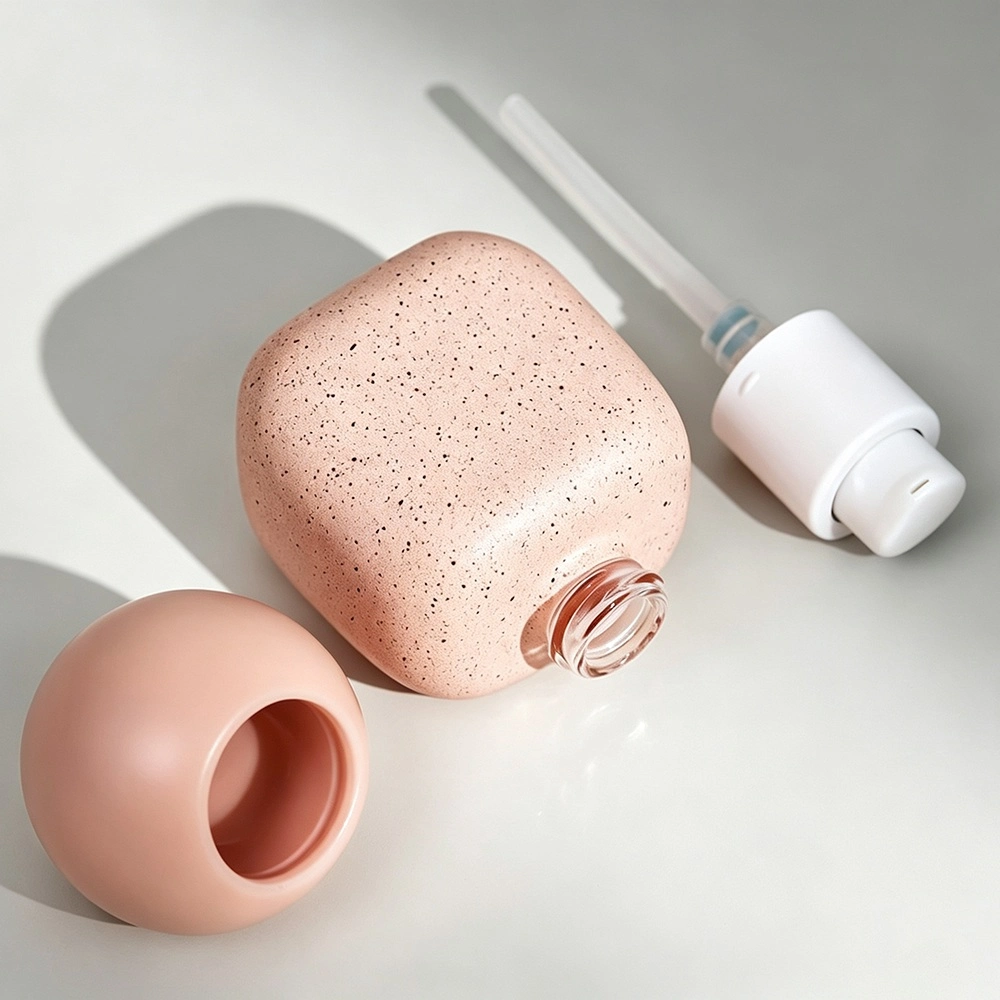
Use the first sample to answer a practical question: does the package deliver the intended amount in a way the customer can repeat? Do not set a label claim or dose assumption from an empty component or from one successful press on a new sample.
Compare pump, dropper, and airless formats
A standard pump can suit a serum that needs clean, repeatable dispensing from a bottle. A dropper can support a different application ritual, but it requires attention to bulb, pipette, neck fit, and the amount delivered per use. An airless system has a distinct internal mechanism and should be evaluated for priming, actuation, and product recovery as the fill level falls.
The choice should follow the buyer’s main constraint:
- Choose a pump when repeatable pressing and a familiar bottle format are central to use.
- Consider a dropper when the intended experience depends on controlled transfer rather than a pump stroke.
- Consider airless when the project requires a different package architecture and the formula, filling process, and approval plan support it.
These are selection rules, not universal performance claims. The same format can perform differently with a different formula, component tolerance, fill level, or filling line. Ask for the exact assembly and test it under the use conditions that matter to the finished product.
Use size as a commercial decision, not a default
Thirty milliliters often fits a core facial-serum SKU, while smaller formats can support discovery sets, travel programs, or a concentrated treatment. A larger bottle can reduce replenishment frequency but changes filled weight, shelf footprint, and shipping economics. Capacity should therefore be connected to the product’s sales role and not selected only because a competitor uses it.
Jaunce Industrial’s Serum Pump Bottle category gives buyers a focused starting point for glass serum bottles and pump-led skincare formats. The wider skincare range also includes models that use different dispensing systems. Use the category to build a short list, then ask for the exact bottle, pump, cap, and decoration configuration for sampling.
Verify the Jaunce options against the project brief
Jaunce lists several relevant product routes, including glass serum bottles with pump or dropper choices, 30ml-class serum packaging, and smaller PP airless serum bottles. Those options let a buyer compare a visible glass presentation with a compact airless route without treating the products as interchangeable.
For a glass project, the 30ml serum bottle with a press-pump dropper can serve as a concrete discussion point. For an airless project, a 5ml, 10ml, and 15ml PP airless serum bottle provides a separate package path.
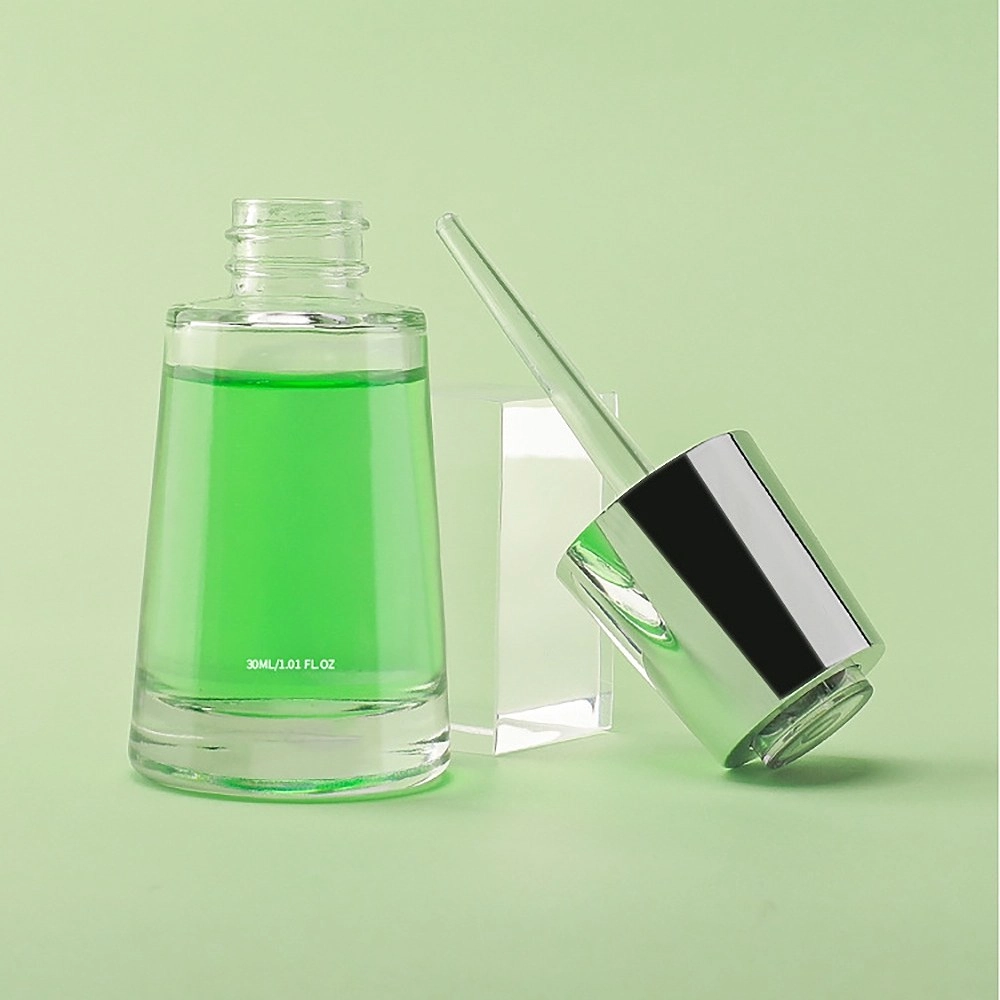
The buyer should confirm which closure, color, decoration, and quantity assumptions apply to the chosen model rather than applying one product’s commercial terms to the whole category.
This is where the project brief matters. State whether the same package family must serve multiple serum SKUs, whether a pump or dropper is acceptable, and whether decoration changes by variant.
If an airless mechanism is under consideration, request a complete filled sample and identify the mechanism in the approval record. Do not approve a bottle while the dispensing component remains ambiguous.
Run a filled dispensing review
An empty pump can prime smoothly and still behave differently when the formula is thicker, more volatile, or contains suspended material. Test several assembled units with the intended formula or a justified representative.
Record the number of actuations to prime, the first usable dose, dose consistency, residue around the actuator, and the package condition after repeated use.
For a dropper, record how the bulb fills, how much liquid transfers, whether the pipette seats cleanly, and whether the cap remains clean after use. For airless, check priming, actuation from full through near-empty conditions, and whether the mechanism continues to deliver the product in the intended orientation. These checks should be agreed with the filler and supplier; they are not established by the package format name.
Compatibility also needs its own review. Test every wetted component with the actual formula over an agreed period and inspect appearance, odor, viscosity, pump movement, cap condition, and any change in the package. Packaging selection does not prove stability, safety, preservation, or shelf life for the finished serum.
Align decoration with the approved assembly
Decoration should follow functional approval. A label, print, coating, or hot-stamped finish can change the usable area, grip, cleaning, or appearance of a filled pack. Send the artwork, color reference, and intended surface to the supplier, then request a physical decorated sample when color or adhesion matters.
Jaunce’s OEM/ODM service is the appropriate route for discussing custom color, logo, printing, labeling, or coordinated packaging after the dispensing system is defined. For a multi-variant serum line, ask whether the bottle and pump remain constant while artwork changes, and request MOQ and sample confirmation for each variant. Do not assume a model-level quantity applies to every decoration or color combination.
Build a comparable wholesale quotation
A useful RFQ names the complete serum package. Include:
- Formula category, viscosity range or representative sample, target dose, and fill volume.
- Preferred format: pump, dropper, or airless, with acceptable alternatives if the project allows them.
- Bottle material, capacity, neck or closure identity, cap, dip tube, and any inner component.
- Quantity by size, color, artwork version, and launch or replenishment phase.
- Decoration, packing, destination market, filling location, sample sequence, and acceptance checks.
Ask each supplier to separate bottle-only pricing from the complete assembled package. Request the commercial scope for the exact SKU, including what is included in decoration, packing, sampling, and any tooling or variant assumptions.
This makes supplier offers comparable and reduces the risk of approving a low unit price that excludes the component needed to dispense the serum.
Conclusión
The best serum pump bottle wholesale decision follows the formula and dispensing job. Compare pump, dropper, and airless routes by dose, user experience, filling process, compatibility, and commercial role. Then approve the complete filled assembly before decoration and retain that reference for future orders.
Jaunce Industrial’s serum-pump category, glass serum products, and smaller airless options can support a focused shortlist. Use the service-support process to define the project brief and quality checks, then send the formula category, target fill, package route, quantity by variant, destination market, artwork, and sample requirements through the Jaunce Industrial contact route for a model-specific quotation.
Frequently Asked Questions
Is a pump, dropper, or airless bottle best for serum?
There is no universal winner. Choose by the formula’s flow, target dose, application method, filling process, and retail role. A pump supports a familiar press-and-dispense experience, a dropper supports controlled transfer, and airless uses a different mechanism that must be sampled and approved as a complete system.
What size serum bottle should a brand launch?
Choose the size from the SKU’s commercial role. A core daily serum may need a different capacity from a discovery or travel product. Compare filled weight, shelf footprint, shipping, dose, replenishment, and quantity by variant. Confirm the actual net content through a filled trial before setting the final specification.
How should a buyer test a serum pump bottle?
Use several assembled units with the actual or representative formula. Check priming, dose consistency, residue, cap condition, actuation after repeated use, and performance as the fill level falls. Define acceptance criteria with the filler and supplier, then retain the approved filled sample as the production reference.
Does airless packaging guarantee longer serum shelf life?
Airless packaging is designed to reduce air exposure and can support formula protection. The final shelf-life claim should still be validated with the actual formula, filling process, storage conditions, and finished-package testing
What should an importer include in a serum-bottle RFQ?
Include formula category, viscosity, target dose, fill volume, preferred dispensing format, bottle and closure details, quantity by variant, decoration, packing, destination market, filling location, and sample requirements. Request a quote for the complete assembly and ask suppliers to identify all component and decoration assumptions.