

Introduction
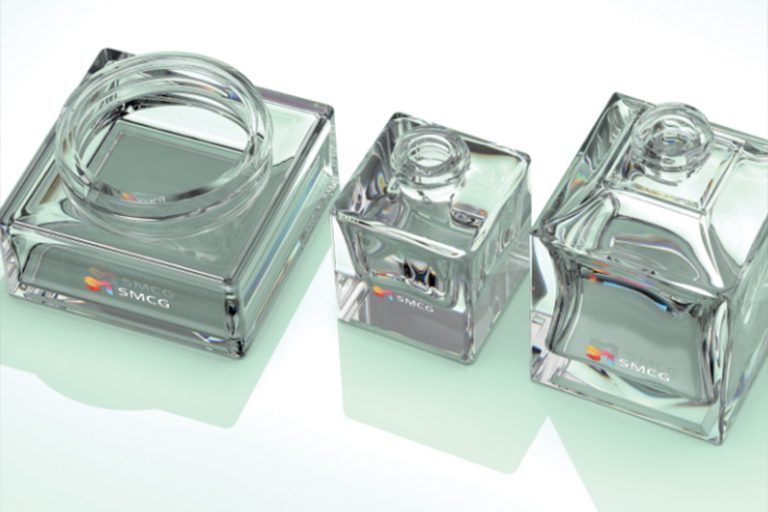
Conception de peigne de miel de pot en plastique cosmétique Sa forme ludique ajoute une belle touche d'appel tout en suggérant de nouvelles idées. La construction ABS transparente vous permet de voir le contenu sans problème. Cette vision claire est quelque chose que les gens aiment vraiment dans les mélanges de soins de la peau et de maquillage. Conception fonctionnelle qui soutient les performances du produit
Jaunce industriel Plus que simplement de bien regarder, vous espérez également que l'emballage aidera à rendre votre journée plus douce. Peu importe si c’ Pour les voyages ou l'utilisation régulière, un petit porte-pieds avec des façons propres d'appliquer peut incliner l'échelle vers l'achat.
Notre nouvelle bouteille en plastique de beauté avec design de peigne de miel allie une petite taille pratique, un matériau ABS transparent et une fermeture ferme. Il fonctionne également comme un outil utile pour différents articles de soins de la peau. Il’ C'est pas seulement charmant. Il’ s construit pour une tenue facile, une utilisation propre et une manipulation simple.
Des designs comme ces gardent des mélanges délicats. Ceci est essentiel pour les produits hybrides qui associent des ingrédients forts comme le rétinol ou la vitamine C à des morceaux de couleur. Ils réduisent le contact avec l'air ou les mains pour garder tout frais.
La contribution de Jaunce Industrial au ‘ Skingenuity’ Mouvement
Alors que vous examinez de nouveaux styles de beauté, vous avez besoin d'aidants qui obtiennent les petits détails de l'emballage mixte.
Il s’en occupe depuis plus de 20 ans. Avec des usines spéciales qui fabriquent jusqu’à 400 000 bouteilles en verre et 50 000 en plastique chaque jour, elles apportent du travail exact, de grandes quantités et des changements pour répondre à ce que votre marque veut.
- Une esthétique innovante qui reflète le storytelling de la marque
- Vous espérez un emballage qui partage votre marque’ Caractère s. Quelque chose de nouveau mais toujours de haute qualité. En plus de la couleur, la forme est un autre élément clé qui montre la personnalité dans la conception d'emballage. Jaunce se concentre sur des formes créatives comme leur
- Cuisine de la peau Set bouteille Quartet
- Cet ensemble mélange des lignes lisses avec des moyens de garder la marque à la même apparence à travers les articles.
- Ces formes spéciales font plus que plaire à l'œil. Ils créent un lien à travers les sentiments et aident les gens à repérer la marque. Si votre entreprise se tourne vers la grâce propre ou l’énergie jeune brillante, Jaunce donne un emballage qui partage votre histoire à travers la vue.
Choix de matériaux alignés sur la fonctionnalité du produit
La force sans poids supplémentaire est quelque chose que les acheteurs de beauté comme vous ont besoin de plus. Le plastique léger le rend facile à transporter, tandis que des matériaux comme l'ABS donnent une construction solide et une tenue stable. Les matériaux courants pour les cosmétiques sont les plastiques. Mais pour élever le niveau et le toucher, certaines marques de cosmétiques choisissent des matériaux de haut niveau et travaillent soigneusement pour soulever tout le produit’ s ressentir.
Il existe aussi des options de verre. Par exemple, ils fonctionnent parfaitement pour les bases de sérum ou les essences éclairantes qui ont besoin de protection contre la lumière UV ou de maintien stable contre les produits chimiques. Nous apportons des compétences de pointe dans la fabrication, l'aide et les changements en tant que fabricant de bouteilles de verre leader.
Améliorer l'expérience utilisateur grâce à des détails réfléchis
Caractéristiques ergonomiques qui améliorent l'application et le stockage
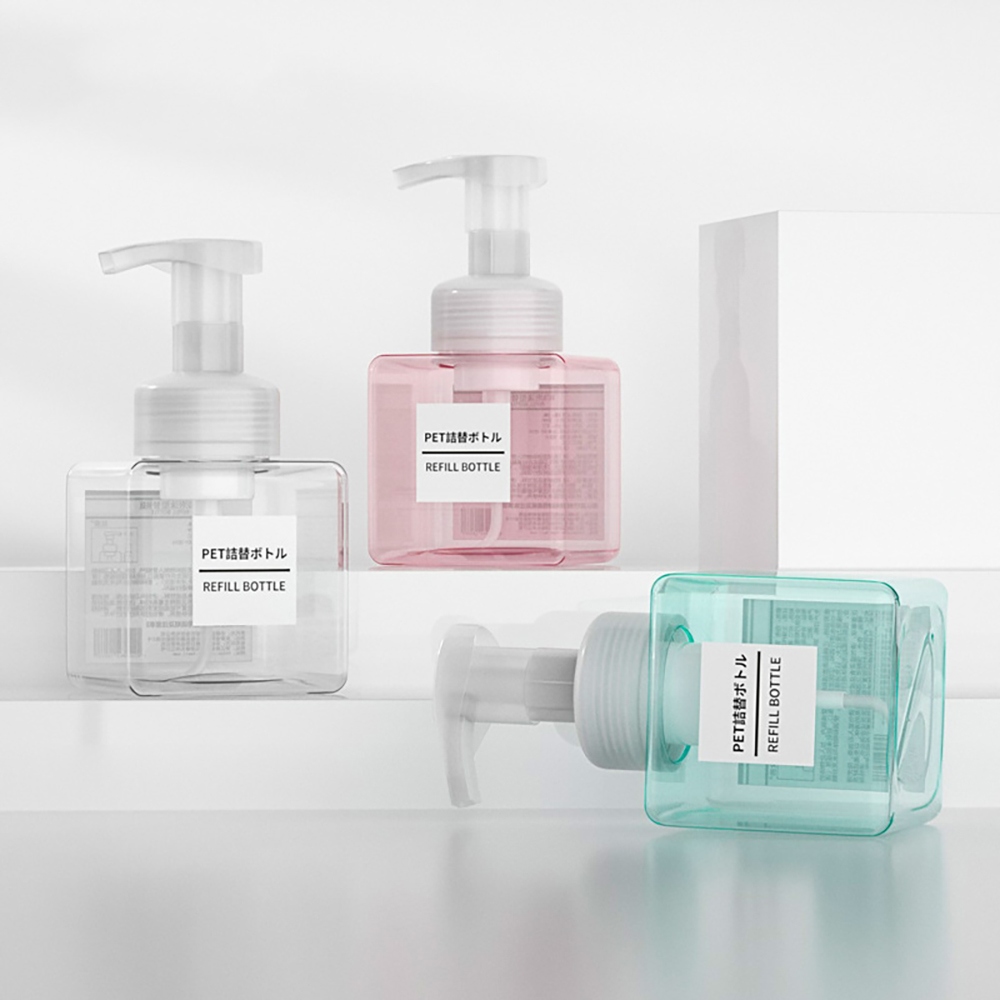
Votre temps avec un produit va au-delà de ce que’ S dans le conteneur. Il’ à quel point il est simple de le manipuler. Des choses comme des casquettes qui se tordent facilement ou s'adaptent à des outils de goutteuse font une vraie différence.
Basé sur des idées de facilité d'utilisation, la taille du support est faite pour bien s'adapter à votre main et rendre simple pour les acheteurs de saisir et d'appliquer. Les petits formulaires glissent également dans les sacs ou les valises de voyage sans enfreindre les règles pour les vols. Ces petits aident à renforcer la confiance parce qu'ils prêtent attention à ce dont vous avez besoin chaque jour.
Considérations durables dans le développement des emballages
Être gentil avec la terre n'est pas un choix maintenant. Il’ c'est ce que vous cherchez chez les marques aujourd'hui. Les possibilités de réutilisation et de recyclage sont élevées. Les matériaux qui peuvent être recyclés et décomposés naturellement sont largement utilisés dans les emballages cosmétiques.
Jaunce traite de cela en donnant des choix de matériau vert qui ne’ perdre l'apparence ou la force. Des supports ABS avec une longue durée d'utilisation aux bouteilles en verre que vous pouvez recycler, fabriquées dans des usines qui économisent de l'énergie, ils soutiennent votre choix pour l'achat intelligent.
Services de personnalisation qui renforcent les marques de beauté
Solutions sur mesure pour les marques émergentes de soins de la peau et de maquillage
| Si vous démarrez une ligne mixte ou mettez à jour un ancien produit, il est très important de faire équipe avec un fabricant qui effectue des changements complets. Jaunce offre des services du début à la fin. De la fabrication du moule à l'ajout de dessins soulevés, ils s'assurent que votre idée devient réelle. | La forme ronde et pleine donne une sensation riche. Il rend l'objet plus beau et attire les gens. L'extérieur lisse ajoute de la facilité. Il aide également les autocollants à collar bien. | Une bonne équipe de fournisseurs de bouteilles en plastique cosmétique en gros a besoin de son propre groupe de conception. De cette façon, les clients peuvent ajouter leur logo directement sur les boîtes. Si vous ajustez les nuances pour correspondre aux codes de couleur exacts ou essayez des styles de surface tels que des sprays mat doux ou gradient lisse, Jaunce peut rendre vos pensées réelles. |
| Opportunités de collaboration avec Jaunce Industrial’ l' équipe d' experts | Il faut plus que simplement faire. Vous avez besoin de conseils. Jaunce donne des conférences pro tout au long du modèle de test et des petites étapes de course. Cela vous permet de réparer les choses avant d'aller grand. | Notre usine se concentre sur la fabrication d'emballages cosmétiques depuis plus de 20 ans. Leur équipe rapide s'assure que rien n'est manqué et que chaque date d'échéance est atteinte. Cela vous aide à diriger dans un marché qui ne cesse de changer. |
| Connectez-vous avec Jaunce Industrial pour améliorer votre gamme de produits | Communication transparente du concept à la livraison | Que vous soyez une nouvelle entreprise ou une marque connue qui se développe en mélanges, vous avez besoin d'une aide constante. Jaunce rend les conversations douces de votre première question à la dernière remise. |
| Les temps pliables pour adapter les plans de lancement et les besoins du marché assurent que vous atteignez les acheteurs au meilleur moment avec le meilleur style. | Informations de contact pour les demandes d'innovation en matière d'emballage | Prêt à |
| voir ce que skingenuity pourrait signifier pour votre marque? Contactez-nous via leur site principal pour obtenir des échantillons gratuits, des informations sur les prix ou des discussions. Visite | aujourd'hui pour vérifier leur liste complète de nouvelles réponses d'emballage faites pour la beauté’ La vague à venir. | Q: Qu'est-ce qui distingue les produits skingenuity des cosmétiques traditionnels? |
R: Skingenuity combine les avantages du soin de la peau (comme l'hydratation ou l'anti-âge) avec des fonctions de maquillage (comme la couverture ou la teinte), créant des produits polyvalents qui simplifient votre routine sans compromettre l'efficacité.
Q : Pourquoi l’emballage est-il si important pour les produits de beauté hybrides ?
R: L'emballage assure à la fois la performance et la perception. Il protège les formulations sensibles tout en communiquant visuellement une double fonctionnalité. La conception réfléchie améliore l'usabilité et l'identité de la marque.
Q: Comment puis-je personnaliser mon propre emballage hybride de soins de la peau et de maquillage?
R: Le partenariat avec des fabricants comme Jaunce vous donne accès à une personnalisation complète. Cela comprend la conception de la forme, la sélection des matériaux, l'appariement des couleurs, le gaufrage, l'étiquetage et le prototypage. Tous sont adaptés à vos objectifs de branding.
La montée de la "Skingenuity" Comment la conception d'emballage conduit les hybrides de soins de la peau et de maquillage
30ml verre liquide de base mignon de forme irrégulière
mar, 23 déc 2025 07:25:28 0000
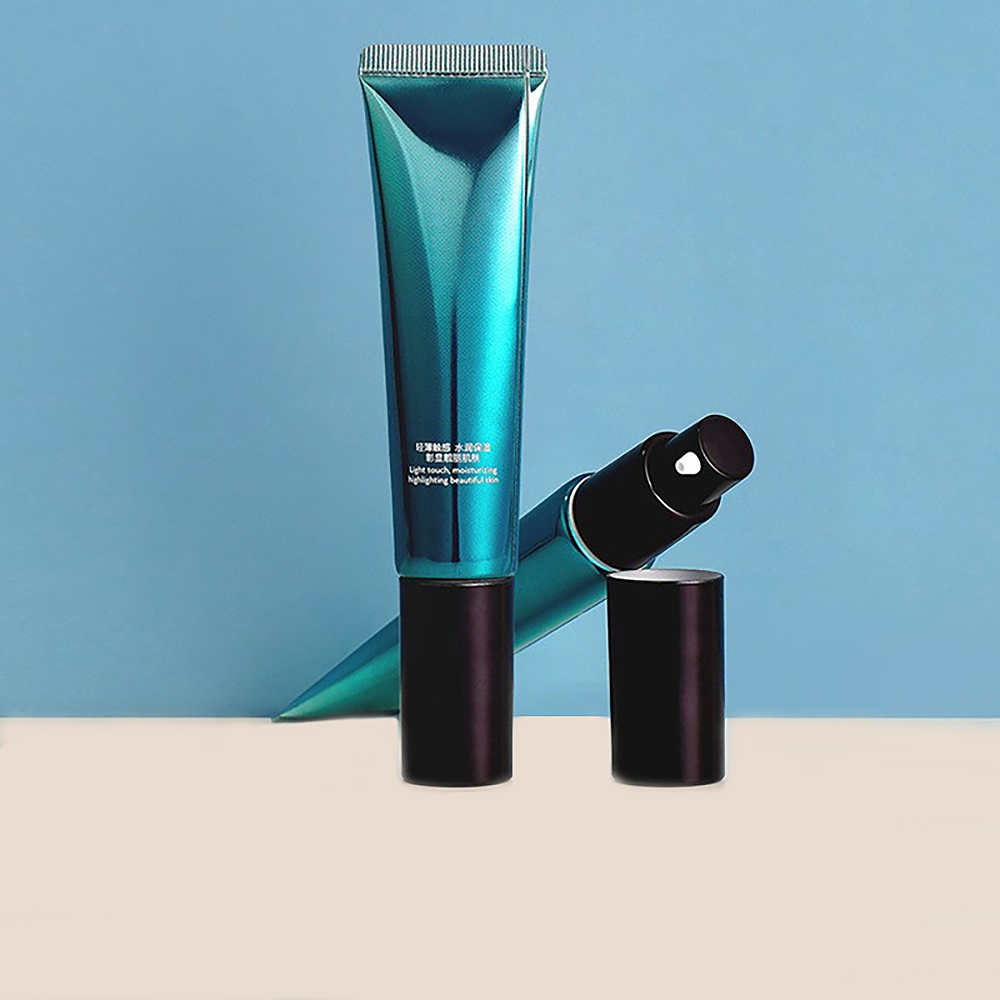
Tubes Ces flacons sont parfaits pour les nettoyants, les crèmes solaires et les crèmes pour les mains. Ils sont faciles à transporter et peu encombrants. Leur format voyage est idéal pour les trousses de toilette. Leur conception flexible leur permet de mieux résister aux variations de pression que les flacons rigides.
jeudi, 25 décembre 2025 03:50:26 0000
https://www.cosmepak.com/?p=3739
Les revêtements jouent un rôle essentiel :
- La montée de la « Skingenuity » : comment la conception d’emballage est le moteur des hybrides de soins de la peau et de maquillage
- La montée de ‘ Skingenuity’ Comment la conception d'emballage est à l'origine des hybrides de soins de la peau et de maquillage
- Doublures en mousse : effet amortissant mais résistance limitée aux variations de température
Chaque type de doublure doit être testé par rapport à la composition réelle de la formule avant la production en série.
Mécanismes de verrouillage des pompes pour la protection du transport
La montée de ' Skingenuity' Comment la conception d'emballage conduit les hybrides soins de la peau et du maquillage
Compatibilité de fermeture et contrôle du couple
https://www.cosmepak.com/?post_type=product&p=3743
Tests d'étanchéité avant la production en série
Les fabricants effectuent des tests sous vide, des tests de stockage inversé à 45 °C–55 °C et des tests de vibration simulée reproduisant les conditions du transport maritime avant l'approbation de la production en série.
Solutions d'emballage secondaire pour l'expédition internationale
Définir la tendance hybride de soins de la peau et du maquillage aujourd'hui’ Dans un monde très occupé, les gens veulent des options de beauté qui simplifient leur routine quotidienne sans perdre de réels avantages. Cela’ s où l'idée de “ skingenuity” s'adapte parfaitement. C'est une nouvelle tendance basée sur de nouvelles idées qui mélange les effets bénéfiques des soins de la peau avec les changements amusants que le maquillage apporte. Ce groupe mixte correspond à l'évolution de la façon dont les gens pensent à la beauté. Ils cherchent des articles qui prennent soin de la peau et donnent également une couverture, une couleur ou une lueur saine. Vous n’êtes pas le seul à espérer de meilleurs résultats avec quelques produits. Le besoin d'éléments qui font beaucoup de travail […]
Le carton doit résister à la pression d'empilage dans les conteneurs sans s'affaisser. Le carton ondulé renforcé offre une bonne résistance à la compression pour les transports longue distance.
Protection intérieure pour bouteilles et bocaux
Des séparateurs en papier ou des plateaux en pâte moulée permettent de séparer les articles fragiles comme les bouteilles en verre. Des inserts en mousse amortissent les chocs dus aux vibrations ou aux chutes lors des opérations de chargement.
Optimisation de la palettisation et du chargement des conteneurs
Un bon équilibrage de la charge évite l'écrasement des cartons au niveau des couches inférieures. La tension du film étirable doit permettre un mouvement minimal tout en évitant une compression excessive des cartons extérieurs.
Considérations relatives au stockage en entrepôt des emballages de produits de soins de la peau
Les entrepôts à température contrôlée réduisent les risques de décollement des étiquettes ou de déformation des pièces en plastique. La gestion de l'humidité est tout aussi essentielle pour éviter que les cartons extérieurs ne se ramollissent avec le temps.
Normes de validation de la qualité pour l'exportation d'emballages cosmétiques
Procédures d'inspection des matériaux et des composants
Découvrez comment la conception d'emballage innovante alimente la tendance à l'authenticité de la peau, alliant les avantages de soin de la peau à la performance du maquillage. Jaunce Industrial propose des solutions d’emballage cosmétique personnalisables pour des produits de beauté hybrides.
La montée de la « Skingenuity » : comment la conception d’emballage est le moteur des hybrides soins de la peau et maquillage - Jaunce industrial
Les échantillons sont conservés à des températures élevées (50 °C à 60 °C) pendant plusieurs semaines afin d'observer d'éventuelles décolorations ou déformations – une pratique courante chez les professionnels. fournisseurs d'emballages cosmétiques gestion des projets d'exportation.
Combination classique de luxe noir et or avec tube de rouge à lèvres
73,2 * 23mm
Diamètre intérieur
12.1mm
19 g
JH-JZ-3278#
Quand “ Classicisme” et “ texture” collider parfaitement, ce tube de rouge à lèvres noir et doré est tenu de devenir le choix convoité parmi les emballages de maquillage.
La combinaison de noir et d'or est une formule esthétique éternelle – le corps de tube noir mat est restreint et bas-clé, comme le velours dans la nuit;
Le contraste entre les couleurs foncées et vives crée un impact visuel qui fait que tout le tube de rouge à lèvres semble “ élégant lorsqu'il est tenu en main” Il devient une présence frappante que ce soit sur la table de maquillage ou dans un sac à main.
Le corps du tube est en matériau ABS/AS, qui offre non seulement une sensation tactile comparable à celle des matériaux haut de gamme, mais se sent également lisse au toucher et ne laisse pas d'empreintes digitales.
Que ce soit’ s la couleur d'injection brillante / mate avec un lustre doux, ou la couleur or ou argent galvanisé avec un ton froid métallique, ils peuvent tous être assortis de différents styles de maquillage, créant sans effort un “ texture unique”.
La sensation lisse et amortissante lors de l'extrusion de la pâte n'est pas obstruée ou lâche. Chaque utilisation offre un “ confortable et pratique” expérience.
De l'appariement des couleurs au matériau, du design à la sensation d'utilisation, ce tube de rouge à lèvres intègre “ élégance” dans tous les détails – ce n'est pas seulement un conteneur pour le maquillage, mais aussi un “ accessoire caché” qui peut améliorer l'aspect rituel du maquillage.
How Jaunce industrial Supports Global Skincare Packaging Projects
Solutions d'emballage complètes pour les marques tournées vers l'exportation
The company empowers beauty brands with full-chain services driven by market demands; its products cover a wide range of premium skincare packaging materials. Jaunce industrial extends this expertise into skincare lines with glass bottles, plastic jars, airless pumps, tubes—all tailored to meet global logistics demands.
Actualités de l'industrie - Jaunce industriel - Page 7
From serums needing airtight glass droppers to sunscreens packed in flexible tubes—Jaunce industrial provides guidance aligning formula chemistry with optimal emballage de soins de la peau des structures qui fonctionnent de manière fiable dans des conditions d'exportation.
Commentaires: La montée en puissance de la Skingenuity : comment la conception d’emballage est le moteur des hybrides skincare-maquillage
A professional cosmetic packaging supplier requires a dedicated design department to deliver seamless brand integration. Jaunce industrial offers custom decoration using Pantone color matching alongside OEM/ODM development support—bridging design creativity with technical practicality across diverse international markets.
La montée de la « Skingenuity » : comment la conception d’emballage est le moteur des hybrides de soins de la peau et de maquillage
Whether launching small-batch regional lines or scaling up global distribution networks by 2026, Jaunce industrial’s ISO9000/ISO14000-certified facilities provide consistent quality control throughout production cycles.
Conclusion
La montée en puissance de la Skingenuity : comment la conception d’emballages conduit les hybrides soins de la peau et maquillage emballage cosmétique Commentaires sur: La montée en puissance de la Skingenuity : comment la conception d’emballage est le moteur des hybrides skincare-maquillage
For reliable support with skincare packaging that meets global distribution demands, Jaunce industrial delivers tailored solutions for new launches and established lines. Skincare brands can reach out to Jaunce industrial pour discuter des exigences spécifiques en matière d'emballage pour l'exportation et des options personnalisées.
Questions fréquentes
La montée en puissance de la « Skingenuity » : comment la conception d’emballage est à l’origine des hybrides skincare-maquillage
https://www.cosmepak.com/fr/the-rise-of-skingenuity-how-packaging-design-is-driving-skincare-makeup-hybrids/ fournisseurs d'emballages cosmétiques like Jaunce industrial.
Q2 : Comment les fournisseurs d'emballages cosmétiques peuvent-ils réduire les risques de fuite lors du transport maritime ?
La montée de la « Skingenuity » : comment la conception d’emballage est le moteur des hybrides de soins de la peau et de maquillage
Définir la tendance hybride de soins de la peau et du maquillage aujourd'hui’ Dans un monde très occupé, les gens veulent des options de beauté qui simplifient leur routine quotidienne sans perdre de réels avantages. Cela’ s où l'idée de “ skingenuity” s'adapte parfaitement. C'est une nouvelle tendance basée sur de nouvelles idées qui mélange les effets bénéfiques des soins de la peau avec les changements amusants qui […]
« La montée de la « Skingenuity » : comment le design d’emballage est le moteur des hybrides soins de la peau et maquillage » — Jaunce industrial
«La montée de la «Skingenuity»: comment la conception d’emballage est à l’origine des hybrides soins de la peau et maquillage» — Jaunce industrial
Définir la tendance hybride de soins de la peau et du maquillage aujourd'hui’ Dans un monde très occupé, les gens veulent des options de beauté qui simplifient leur routine quotidienne sans perdre de réels avantages. Cela’ s où l'idée de “ skingenuity” s'adapte parfaitement. C'est une nouvelle tendance basée sur de nouvelles idées qui mélange les effets bénéfiques des soins de la peau avec les changements amusants que le maquillage apporte. Ce groupe mixte correspond à l'évolution de la façon dont les gens pensent à la beauté. Ils cherchent des articles qui prennent soin de la peau et donnent également une couverture, une couleur ou une lueur saine. Vous n’êtes pas le seul à espérer de meilleurs résultats avec quelques produits. Le besoin d'éléments qui font beaucoup de travail […]
« La montée de la « Skingenuity » : comment la conception d’emballage est à l’origine des hybrides soins de la peau et maquillage » — Jaunce industrial
« La montée de la « Skingenuity » : comment la conception d’emballage est à l’origine des hybrides soins de la peau et maquillage » — Jaunce industrial