

Introduction
"Bouteille de pulvérisation PETG 30-100ml en plastique Boston Shape Boston pour les soins de la peau Bouteille d'étanchéité de la pompe d'emballage" — Jaunce industriel
60ml 75ml 90ml PE Eco-Friendly Square Fine Mist Pump Bottle Double Square Full Cover Screw Cap Jaunce industrielCommentaires sur : 60ml 75ml 90ml PE Eco-Friendly Square Fine Mist Pump Bottle Double Square Full Cover Screw Cap
Comentarios en: 60ml 75ml 90ml PE écologique carré bouteille de pompe à brouillard fine double carré bouchon à vis pleine couverture
« Quels sont les avantages techniques de l’utilisation d’un flacon de pulvérisation dans les traitements du visage » — Jaunce industrial
«Quels sont les avantages techniques de l’utilisation d’une bouteille de pulvérisation dans les traitements faciaux» — Jaunce industrial
60ml 75ml 90ml PE Eco-Friendly Square Fine Mist Pump Bottle Double Square Full Cover Screw Cap Commentaires à Commentaires sur: 60ml 75ml 90ml PE écologique carré bouteille de pompe à brouillard fin double carré bouchon à vis pleine couverturedes boîtiers, des gouttelettes, des tubes et des mécanismes de rouge à lèvres — atteignent une pureté de 90 à 95 % en un seul matériau. Cette grande uniformité permet de gérer efficacement l'ensemble du paquet dans les systèmes de recyclage mécanique. Et cela se produit sans aucun démantèlement manuel.
Pourquoi le monomatériau est essentiel pour la recyclabilité en 2026
Recyclage plus facile pour les consommateurs
Comment les emballages durables peuvent-ils favoriser un avenir plus vert pour les cosmétiques ? — Jaunce industriel
Comment choisir la bonne bouteille de gouttelettes pour votre sérum d'huile: un guide sur le matériau et la fonction
Matériel de la bouteille: PET Cap Matériel: PP Capacité: 50ml / 100ml / 150ml / 200ml Cap: Pompe à vis Couleur: personnalisé (...
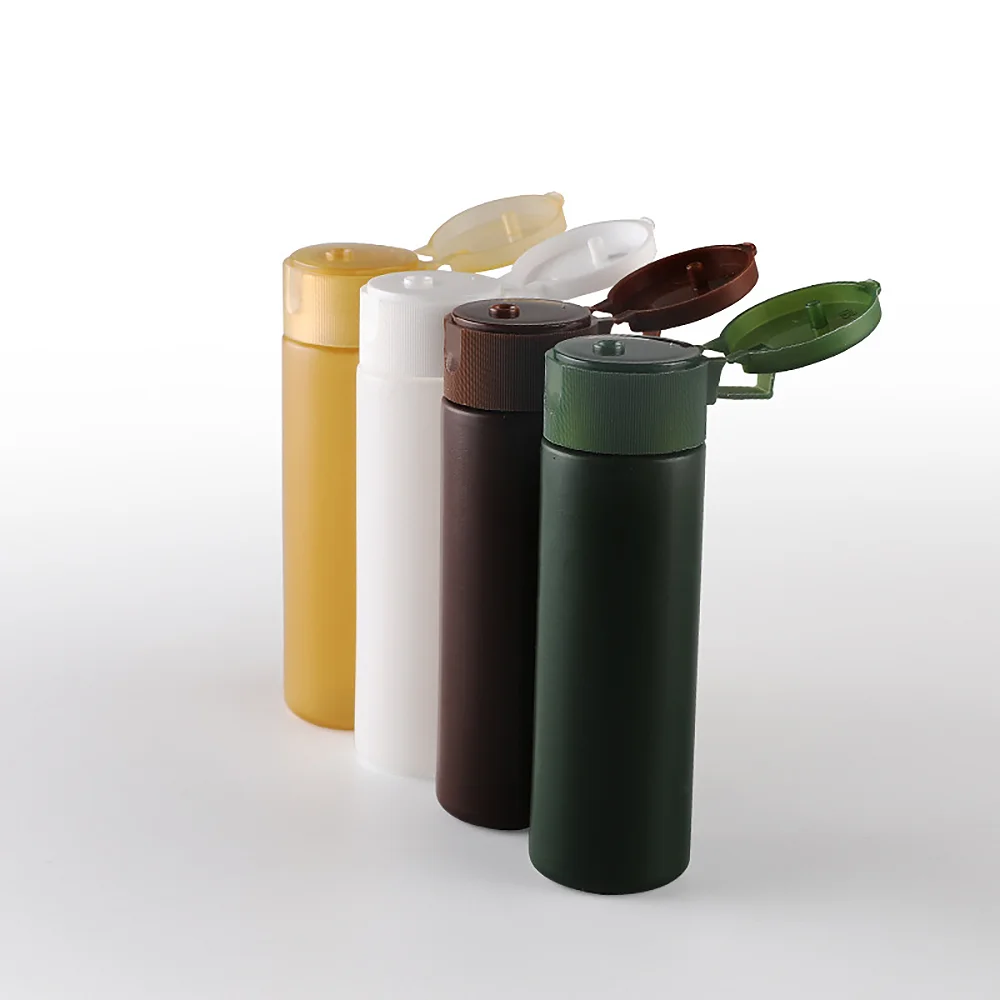
Matériel de la bouteille: PE Cap Matériel: PP Capacité: 350ml Cap: pompe de mousse Couleur: personnalisé (n'importe quel pantone...
Matériel de la bouteille: PETG Cap Matériel: PP Capacité: 200ML / 400ML Cap: Couleur de la pompe: personnalisé (n'importe quel pantone...
20 ans Jaunce industriel professionnel - Página 22
Comment choisir la bonne bouteille de gouttelettes pour votre sérum d'huile: un guide sur le matériau et la fonction
Commentaires sur: 40ml, 80ml, 120ml de couleur foncée épaisse multi-étape lotion / bouteilles de spray
“40ml, 80ml, 120ml lotion multi-étapes à parois épaisses foncées / bouteilles de pulvérisation” — Jaunce industriel
“Bouteille de parfum -30ml Bouteille de parfum brume / Jaunce #2” — Jaunce industriel
- Procurement de matériaux plus facile et méthodes de production plus fluides qui réduisent les dépenses
- ความเห็นบน: Comment choisir la bonne bouteille pour votre sérum d'huile: un guide sur le matériau et la fonction
- «40ml, 80ml, 120ml lotion multi-étapes à parois épaisses foncées / bouteilles de pulvérisation» — Jaunce industriel
- https://www.cosmepak.com/fr/ultimate-guide-to-airless-pumps-choosing-the-best-packaging-to-preserve-your-skincare-formulas/
https://www.cosmepak.com/fr/ultimate-guide-to-airless-pumps-choosing-the-best-packaging-to-preserve-your-skincare-formulas/#respond
https://www.cosmepak.com/fr/ultimate-guide-to-airless-pumps-choosing-the-best-packaging-to-preserve-your-skincare-formulas/feed/
https://www.cosmepak.com/fr/how-to-choose-the-right-dropper-bottle-for-your-oil-serum-a-guide-to-material-and-function/
https://www.cosmepak.com/fr/how-to-choose-the-right-dropper-bottle-for-your-oil-serum-a-guide-to-material-and-function/#respond
https://www.cosmepak.com/fr/how-to-choose-the-right-dropper-bottle-for-your-oil-serum-a-guide-to-material-and-function/feed/
Commentaires sur: 40ml, 80ml, 120ml foncé-coloré épais-parois multi-étape lotion / bouteilles de spray
- „Quelle bouteille de spray cosmétique transformera votre ligne de soins de la peau de marque privée“ — Jaunce industrial Les fournisseurs ont développé des grades de PP améliorés adaptés aux boîtiers transparents et aux surfaces tactiles doux qui étaient autrefois uniquement réalisables avec des plastiques combinés.
- Commentaires sur: 2 Les encres sans solvants et les techniques de marquage laser permettent de marquer sans endommager les canaux de recyclage.
- Réconception des composants : Les pompes comprennent des mécanismes de verrouillage intégrés plutôt que des ressorts métalliques; bouteille en plastique flexible Détails - 8 (1)
Détails - 9 (1)
Détails - 13 (1)
Détails - 10 (1)
Figure principale - 3 (1)
“Un guide B2B complet sur la sélection des meilleurs emballages cosmétiques pour les produits de beauté” — Jaunce industrial
Conclusion
Commentaires sur: 40ml, 80ml, 120ml foncé-coloré épais-mur multi-étape lotion / bouteilles de spray Contact Jaunce industrial «Un guide B2B complet sur la sélection des meilleurs emballages cosmétiques pour les produits de beauté» — Jaunce industrial
Questions fréquentes
„Quels sont les avantages techniques de l’utilisation d’une bouteille de pulvérisation dans les traitements faciaux“ — Jaunce industrial
«Bouteille de spray à épaule carrée inversée 300ml 500ml» — Jaunce industriel
Commentaires: Guide ultime des pompes sans air: Choisir le meilleur emballage pour préserver vos formules de soins de la peau
«30ml pompe à goutte à bouteille de sérum» — Jaunce industriel
Commentaires sur : 40ml, 80ml, 120ml lotion multiétape à parois épaisses foncées / bouteilles de spray
"Gloss à lèvres tube-2025 nouveau haut de gamme Gloss à lèvres tube/Jaunce" — Jaunce industriel
40ml, 80ml, 120ml dark-colored thick-walled multi-stage lotion /spray bottles Commentaires à
R: La directive européenne PPWR impose des exigences de recyclabilité plus strictes ainsi que des systèmes EPR qui exigent la responsabilité des producteurs. Des systèmes similaires émergent dans le monde entier, exigeant des quantités de contenu recyclé confirmées.
Q5: Comment les marques peuvent-elles commencer à passer à l'emballage monomatériau avec des fournisseurs comme Jaunce industriel?
A: Brands can start by checking their current SKUs for material variety. Then, they team up with suppliers like Jaunce industrial via Jaunce industrial’s network. This helps create prototypes of fully recyclable options that match future standards on cosmetic recyclability.