

When a Pantone Color Meets Real Cosmetic Packaging Production
A packaging color often looks perfect at the design stage. The artwork is approved, the Pantone reference is confirmed, and the project moves forward.
The first sample is usually the moment when the real difference appears.
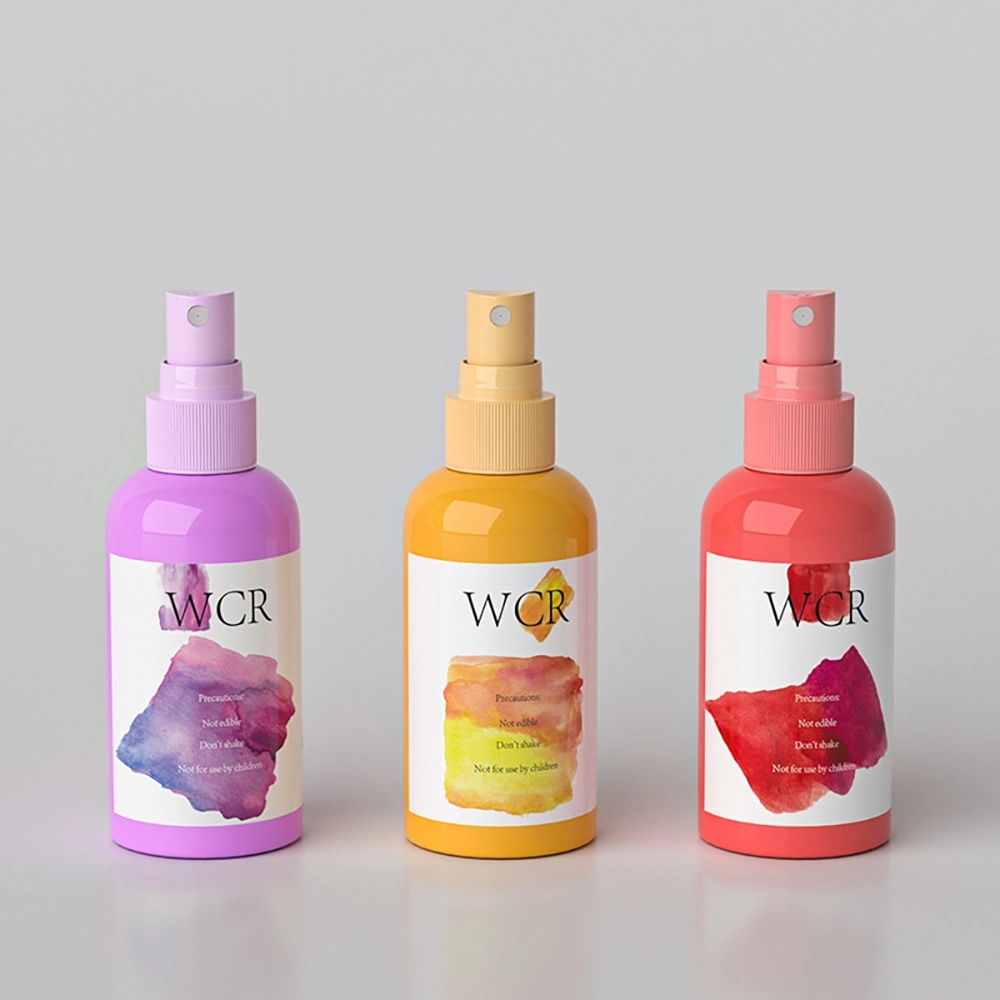
A color that looks correct on a screen may change slightly after it is applied to an actual bottle. Glass reflection, plastic surface texture, spray coating, and finishing methods can all influence how the final package looks.
This is a common step in cosmetic packaging development. The challenge is not simply creating a color that matches the first sample. The challenge is making sure the same visual result can be reproduced when production moves into larger quantities.
For brands developing Personnalisation & Services de stockage, color approval is closely connected with material selection, surface decoration, and manufacturing control. A supplier needs to understand how each element affects the final appearance before production begins.
Jaunce industriel works with beauty brands on customized packaging projects, including glass bottles, plastic packaging, lipstick packaging, and vacuum packaging solutions. The company supports OEM/ODM projects where bottle design, color requirements, and finishing details need to be coordinated during development.
How Pantone Works in Cosmetic Packaging Development
Pantone as a Common Language Between Brands and Suppliers
Color communication can become complicated when designers, purchasing teams, and manufacturers are located in different regions.
A description such as “soft beige,” “warm pink,” or “premium gold” may create different interpretations. Pantone provides a clearer reference that allows different teams to discuss the expected color before production begins.
In custom cosmetic packaging projects, the Pantone number is normally used as the starting point for sample development.
However, the Pantone reference itself does not define the final appearance.
The production result is also affected by:
- Packaging material
- Bottle transparency
- Surface texture
- Coating method
- Decoration process
- Lighting conditions
A supplier may need to adjust the finishing process rather than change the original color target. For example, a spray coating may appear slightly deeper on one bottle surface compared with another material. In this case, the adjustment may come from the coating formula or application method.
Experienced cosmetic packaging manufacturers usually evaluate the sample against the approved standard before moving into mass production.
Factors That Affect Cosmetic Packaging Color Results
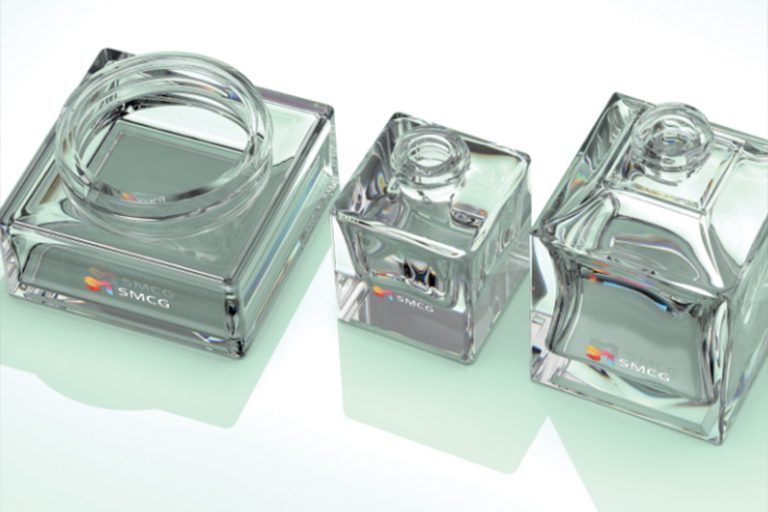
Glass, Plastic, and Surface Finishing Differences
Material selection plays an important role in color development.
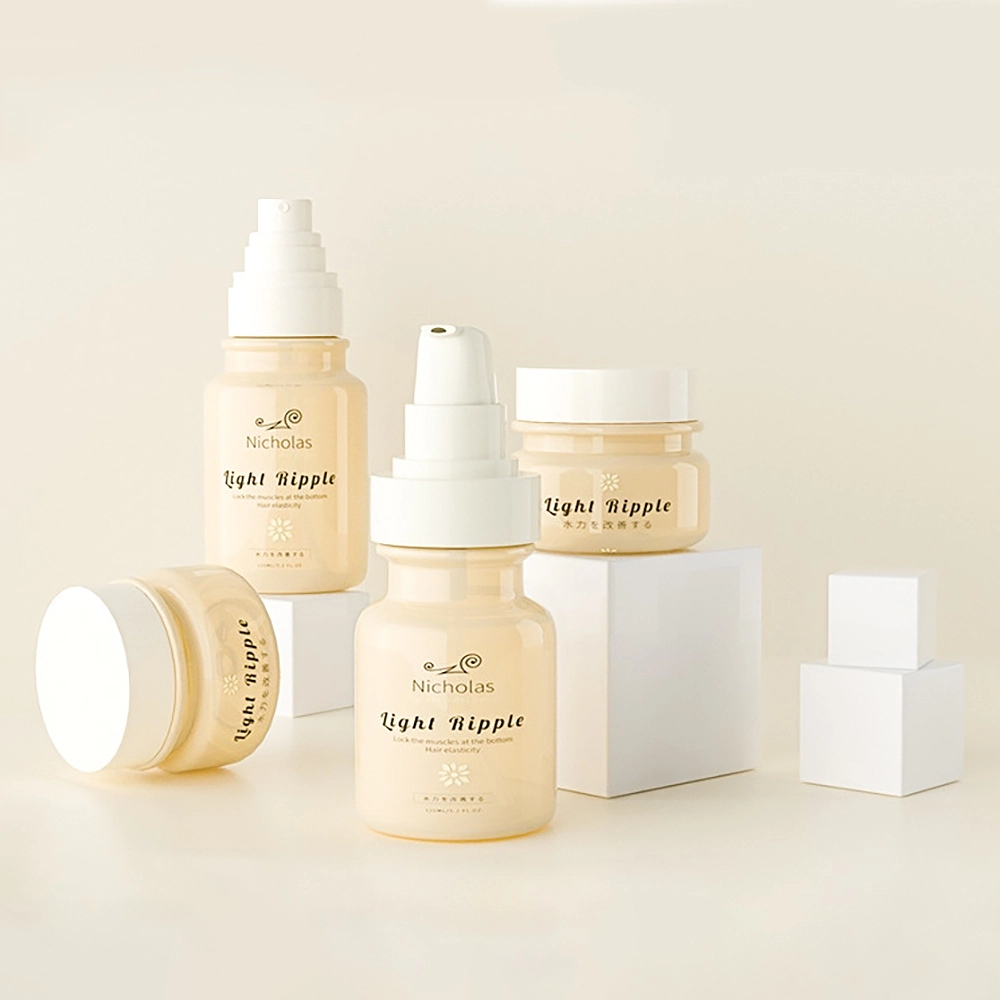
Glass and plastic are both widely used for cosmetic packaging, but they create different visual effects.
| Packaging Factor | Effect on Color Appearance |
| Glass bottle | Creates depth, reflection, and premium visual effects |
| Bouteille en plastique | Provides flexible decoration and lightweight options |
| Matte finish | Creates a softer and smoother appearance |
| Gloss finish | Increases reflection and color brightness |
| Frosted surface | Changes light diffusion and surface feeling |
Glass bottles are often selected for skincare, fragrance, and premium beauty products because they support different finishing options. Frosting, spraying, and silk printing can create different appearances on the same bottle design.
Le capuchon en or rose mat s’associe à deux disques d’étanchéité intérieurs blancs: les disques créent une barrière supplémentaire contre l’air, la poussière et la contamination, tandis que le design élégant du capuchon complète la silhouette élégante globale du pot. plastic packaging, spray finishing provides additional possibilities for customized colors while maintaining practical production advantages.
The material decision should be confirmed before final color approval because the same Pantone reference may require different finishing approaches on different surfaces.
How Suppliers Adjust Colors During Sample Development
A Pantone reference gives the project a clear direction, but the first sample is often where adjustments begin.
During sample development, suppliers may review the coating formula, surface finish, or application method instead of changing the original Pantone target.
For example, a transparent spray finish may create a softer effect on a glass bottle, while a solid coating may produce a stronger color appearance on a plastic surface.
The purpose of sample development is not only to check whether the color looks right. It also allows the supplier and brand to confirm whether the selected material and finishing process can support stable production.
A well-approved sample becomes the foundation for later manufacturing decisions.
From Color Sample Approval to Mass Production
Why the Golden Sample Becomes the Production Reference
A physical sample is where the design concept becomes a manufacturing standard.
During sample approval, brands and suppliers normally review:
- Color appearance
- Bottle material
- Surface finish
- Decoration quality
- Overall packaging effect
Once approved, the sample becomes the golden sample or production reference.
This reference is especially valuable for repeat orders.
A skincare collection may use the same signature color across several products. If each production batch has noticeable differences, the product range may appear inconsistent on retail shelves.
A clear production reference helps suppliers manage color tolerance during manufacturing. Different packaging projects may allow different levels of color variation depending on product positioning, material choice, and brand requirements.
Managing Color Consistency During Repeat Production
The first approved sample does not automatically guarantee identical results forever.
During production, suppliers need to monitor factors such as:
- Raw material consistency
- Spray coating conditions
- Decoration process
- Production settings
- Quality inspection standards
For international beauty brands, repeat order consistency is often an important supplier evaluation point.
A cosmetic packaging manufacturer should be able to explain how color samples are confirmed, how production references are maintained, and how new batches are checked against previous standards.
Spray Finishing and Customized Effects for Cosmetic Packaging
Creating Different Packaging Styles Through Decoration
Color development is closely connected with surface finishing.
Depending on the product positioning, cosmetic packaging may use:
- Spray coating
- Transparent color effects
- Matte finishing
- Gloss finishing
- Glaçage
- Silk screen printing
- Metallic decoration
A luxury fragrance bottle may require a deeper visual effect through transparent coating or metallic decoration, while skincare packaging may focus on clean colors and consistent appearance.
Jaunce Industrial works on customized cosmetic packaging projects where bottle design, color requirements, and decoration methods are considered together. Its product categories include glass bottles, plastic bottles, emballage rouge à lèvres, and vacuum packaging solutions.
What to Evaluate When Choosing a Cosmetic Packaging Manufacturer
Questions to Ask Before Starting a Packaging Project
Color matching capability is only one part of supplier evaluation.
Before starting a custom cosmetic packaging project, brands should consider:
| Evaluation Point | Why It Matters |
| Color sample process | Shows how the supplier manages development |
| Material experience | Helps select suitable packaging options |
| Decoration capability | Provides more customization choices |
| Production reference system | Supports repeat order consistency |
| OEM/ODM experience | Helps manage complete packaging projects |
Before selecting a supplier, brands should look beyond the product catalog.
A capable cosmetic packaging manufacturer should be able to explain:
- How color samples are developed
- How approved samples are recorded
- How the same color is reproduced for future orders
- What finishing options are suitable for different materials
These details help reduce unnecessary adjustments before bulk production.
Customized Packaging Development with Jaunce Industrial
With experience in customized cosmetic packaging development, Jaunce Industrial works with brands requiring specific bottle designs, colors, and finishing solutions.
The company supports OEM/ODM packaging projects where product structure, visual requirements, and manufacturing considerations need to be coordinated.
For projects involving Pantone colors, spray finishes, or special surface effects, the development process focuses on connecting the design concept with practical production requirements.
From initial sample review to production preparation, clear communication between brand and supplier helps create a more stable packaging outcome.
Conclusion
Color approval is usually a small part of the whole packaging project, but it can affect every step that follows.
A bottle may look right in the first sample and still require adjustments before a larger order begins. The reason can come from the material, coating method, or surface effect. These details are easier to manage when the packaging standard is confirmed early.
For repeat orders, the approved sample becomes an important reference for checking whether the new production matches the original requirement. This is especially useful for brands that keep the same packaging style across different products or markets.
Jaunce Industrial works with beauty brands on custom cosmetic packaging projects, including color customization, surface decoration, and OEM/ODM development. Packaging requirements such as Pantone references, bottle types, and finishing preferences can be reviewed during the early development stage to find a suitable production approach.
Questions fréquentes
Q1: Can a cosmetic packaging manufacturer match a Pantone color on a bottle?
A : Yes. A supplier can develop samples based on a Pantone reference, but the final appearance needs to be checked on the actual packaging material. Glass, plastic, coating thickness, and surface finish can all influence the result.
Q2: Why does the same Pantone color look different on cosmetic packaging?
A : The difference usually comes from material properties, surface texture, coating methods, and lighting conditions. In some cases, adjustments are made through the finishing process rather than changing the original Pantone target.
Q3: What is a golden sample in cosmetic packaging production?
A : A golden sample is an approved reference sample used before bulk manufacturing. It records the expected color, finish, and overall appearance so future production can be compared against the same standard.
Q4: What should brands evaluate when choosing a cosmetic packaging manufacturer?
A : Brands should review the supplier’s color development process, material experience, decoration capability, sample approval system, OEM/ODM experience, and ability to maintain consistency for repeat orders.
Q5: Can suppliers develop custom color samples before bulk production?
A : Yes. Sample development is normally completed before mass production. Suppliers can evaluate the Pantone reference, packaging material, and finishing requirements to create a physical sample for approval.