

While the project of emballage cosmétique is always started with some design idea, the final version of packaging is often developed through several technical discussions.
The bottle design can be cleared immediately, however, the pump mechanism still needs further tests. The decoration sample might fit into the branding idea, yet the manufacturing team may need to tweak the process for greater consistency in large volumes.
These changes are common during packaging development because cosmetic products have different formulas, filling conditions, and market requirements.
For beauty brands preparing products for Europe, packaging decisions in 2026 involve more than appearance. Sustainability expectations, including the growing attention around PPWR (Packaging and Packaging Waste Regulation), are influencing discussions about materials, packaging structures, and supplier documentation.
A successful packaging project needs to balance several factors:
- Product compatibility
- Manufacturing stability
- Packaging appearance
- Sustainability considerations
- Supply reliability
Jaunce industriel works with global beauty brands on Emballage cosmétique development, including bottles, jars, tubes, and airless packaging solutions for skincare, makeup, and personal care applications.
Packaging Development Starts With Product Requirements
Before requesting a quotation, buyers usually prepare basic product information.
A packaging supplier needs to understand:
- Catégorie de produits
- Formula characteristics
- Required capacity
- Target quantity
- Decoration requirements
- Expected delivery schedule
These details influence packaging recommendations.
For example, a facial serum may require a bottle with a premium appearance and a dispensing system suitable for a lighter formula.
A cream product may require a different package structure because the viscosity and usage method are different.
During development, suppliers usually review several technical points:
- Bottle and closure compatibility
- Pump performance
- Filling requirements
- Material suitability
- Production process
The packaging selected for a product launch needs to work not only as a visual element but also as part of the manufacturing process.
PPWR Considerations in Sustainable Cosmetic Packaging Projects
PPWR has increased attention around packaging waste prevention, recyclability, and material information in the European market.
For beauty brands, this creates more detailed conversations with packaging suppliers.
The discussion often includes:
- What materials are used?
- How is the packaging structure designed?
- Are different components easy to identify?
- Can the supplier provide accurate product information?
A cosmetic package normally contains multiple parts:
- Bottle or jar
- Pump or cap
- Inner components
- Decorative finishes
Each element can affect the final packaging solution.
For example, selecting a recyclable container is only one part of packaging development. The complete structure, including additional components and decoration methods, also needs evaluation.
For this reason, many brands discuss packaging structure earlier during product development instead of waiting until production preparation.
Choosing Materials Based on Cosmetic Product Applications
There is no single packaging material suitable for every beauty product.
The selection usually depends on product positioning, formula requirements, and production conditions.
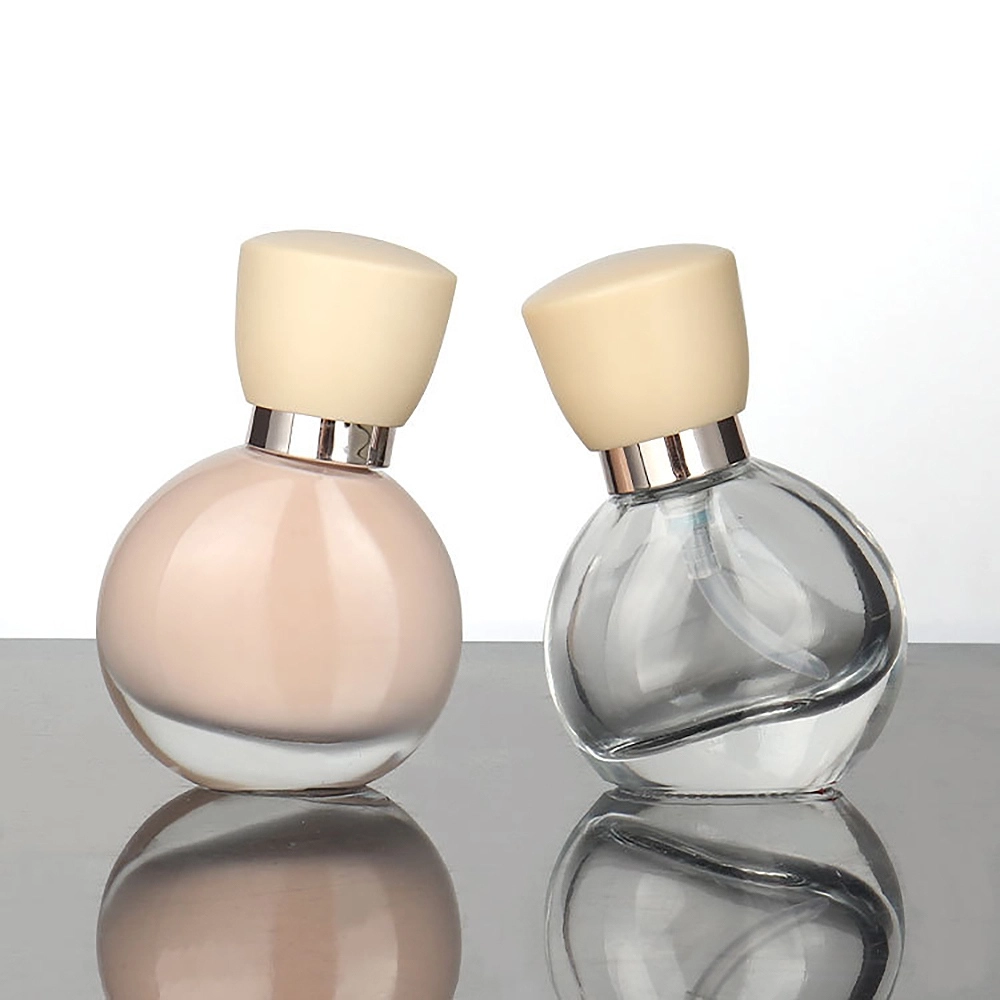
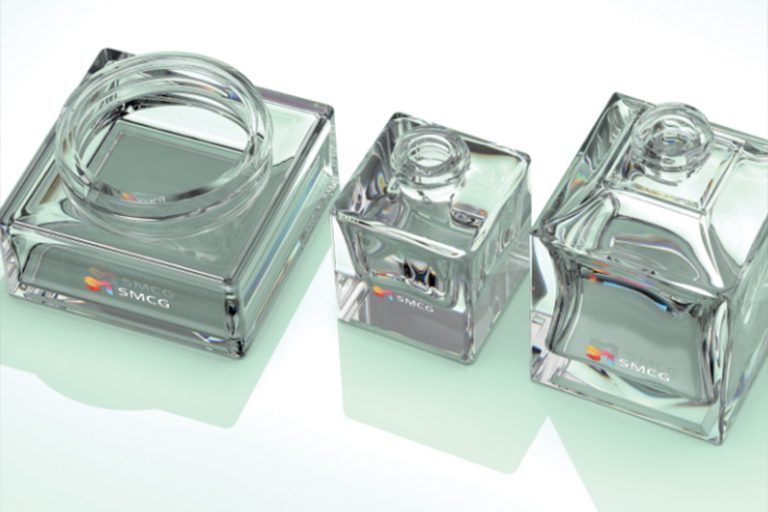
Glass Bottles for Premium Skincare
Bouteilles en verre remain widely used in premium skincare categories.
Typical applications include:
- Facial serums
- Huiles essentielles
- Luxury skincare products
Glass is often selected because it provides a premium appearance and supports high-end product positioning.
During development, buyers usually review:
- Bottle capacity
- Pump or dropper compatibility
- Surface finishing
- Transportation requirements
A glass bottle with a special finish may require additional production checks to maintain appearance consistency during manufacturing.
Jaunce Industrial develops customized glass packaging with different shapes, capacities, and finishing options for skincare brands.
PCR Plastic Packaging for Daily Beauty Products
PCR plastic packaging has become an option for brands exploring recycled material solutions.
Common applications include:
- Lotion bottles
- Body care packaging
- Cosmetic jars
- Daily skincare products
For large production orders, buyers often evaluate more than recycled content.
Other factors include:
- Color consistency
- Material performance
- Formula compatibility
- Repeat order stability
This is especially relevant for international brands that plan multiple production cycles. Maintaining consistent packaging appearance between orders helps protect the overall product image.
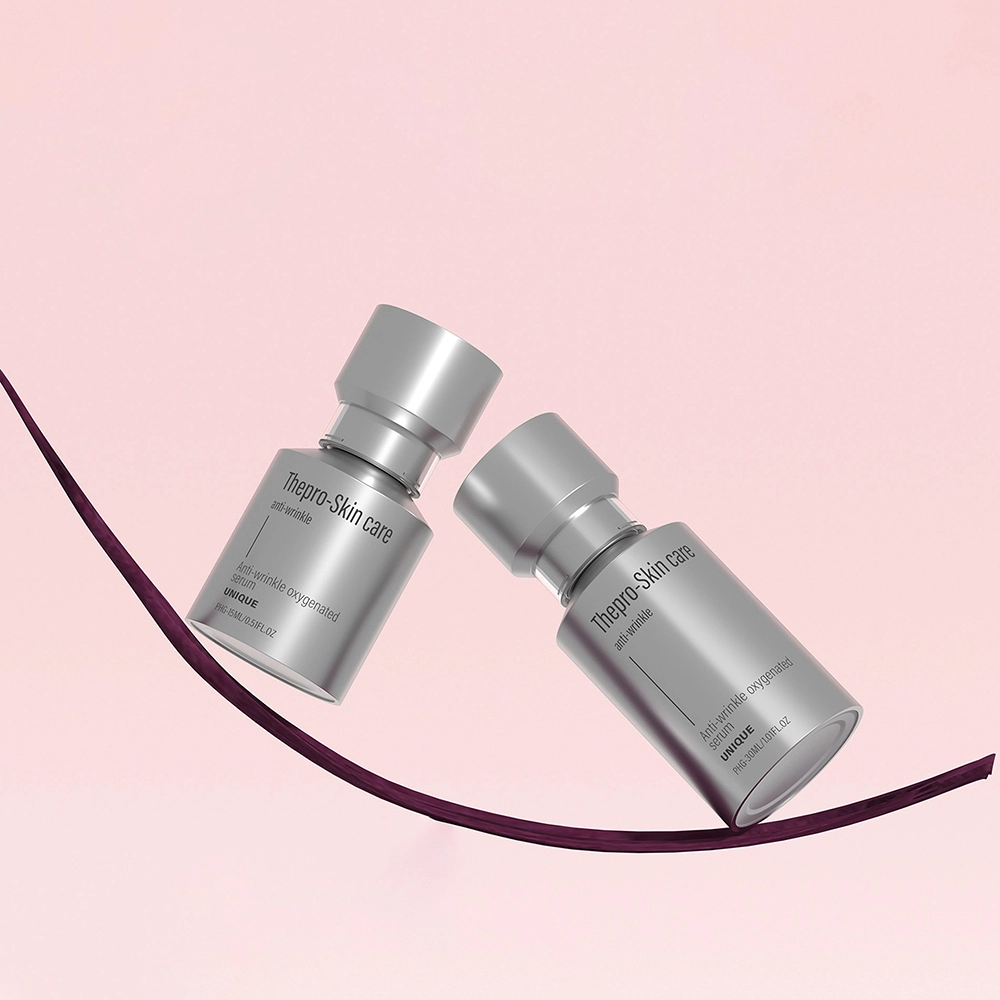
Airless Packaging for Functional Skincare Products
Airless packaging is commonly used for skincare products that require controlled dispensing, especially formulas such as anti-aging creams, facial treatments, and premium skincare products.
During packaging development, brands usually review several factors before moving into production:
- Pump performance
- Dispensing amount
- Formula compatibility
- User experience
These checks are important because airless packaging involves both the container structure and dispensing system. A package that performs well during sample testing can help reduce adjustments during bulk production.
For brands developing active skincare products, Jaunce Industrial has also shared more details about airless bottle packaging considerations for skincare applications, including product selection, development process, and supplier evaluation.
Airless systems can be customized with different capacities, designs, and finishes depending on product requirements. Jaunce Industrial provides airless packaging solutions for skincare brands developing functional beauty products.
Production Details Buyers Review Before Mass Manufacturing
One of the most important stages in packaging development happens between sample approval and bulk production.
A sample represents the expected result, but large production orders involve additional factors.
Common points reviewed before manufacturing include:
Component Matching
The bottle, pump, cap, and other parts need to work together properly.
Issues such as loose fitting, leakage risk, or dispensing problems can affect the final product experience.
Decoration Process
Decoration methods may include:
- Printing
- Revêtement
- Glaçage
- Metalized finishing
Each method has different production requirements.
A design approved at the sample stage may require adjustments before mass production to maintain consistency.
Production Planning
Before confirming an order, buyers usually discuss:
- MOQ
- Délai de mise en œuvre
- Production schedule
- Quality inspection
For international buyers, these details directly influence product launch planning.
What Buyers Compare When Selecting a Cosmetic Packaging Supplier
Choosing a Cosmetic Packaging Manufacturer involves more than checking product catalogs.
Many buyers compare suppliers based on:
Customization Capability
A supplier offering Custom Cosmetic Packaging should be able to support:
- Different bottle or jar designs
- Color customization
- Surface treatments
- Component options
Production Experience
Buyers often review:
- Manufacturing capability
- Quality control procedures
- Repeat production consistency
Communication During Development
Clear communication is especially important for overseas projects.
Packaging development may involve several confirmations, including:
- Technical specifications
- Samples
- Artwork
- Production details
A supplier that understands the development process can help reduce unnecessary changes.
Jaunce Industrial as a Cosmetic Packaging Manufacturer
Jaunce Industrial develops packaging solutions for skincare, makeup, and personal care brands.
The product range includes:
- Cosmetic bottles
- Cosmetic jars
- Tubes
- Airless packaging systems
As a Cosmetic Packaging Manufacturer, Jaunce Industrial works with brands requiring customized packaging solutions for different product applications.
From initial packaging discussions to sample development and production preparation, the company supports projects that require attention to design, function, and manufacturing requirements.
For brands looking for a Cosmetic Packaging Supplier, selecting a manufacturer with customization experience and production capability can make the development process more efficient.
Conclusion
The role of cosmetic packaging is changing. In 2026, beauty brands are reviewing packaging decisions from multiple perspectives, including sustainability expectations, product compatibility, production stability, and supplier capability.
PPWR has increased attention on packaging structure and material information, but practical manufacturing considerations remain central to successful projects.
Jaunce Industrial develops Sustainable Cosmetic Packaging https://www.cosmepak.com/vi/san-pham/5ml-10ml-15ml-30ml-vai-nham-tuong-khong-khi-chai-vang/ Custom Cosmetic Packaging solutions for global beauty brands, including bottles, jars, tubes, and airless packaging systems.
With experience in cosmetic packaging development, Jaunce Industrial supports brands from early packaging discussions through production preparation.
Contactez Jaunce Industrial to discuss packaging requirements, sample development, and customized production options.
Questions fréquentes
Q1: What information does a cosmetic packaging supplier need before preparing a quotation?
A : Suppliers usually need product category, formula information, packaging style, capacity, order quantity, decoration requirements, and delivery expectations. These details help determine suitable packaging options.
Q2: How long does custom cosmetic packaging development usually take?
A : The timeline depends on packaging type, customization requirements, sampling process, decoration methods, and production quantity. Projects involving new designs or special finishes may require additional development time.
Q3: What problems can occur between packaging samples and bulk production?
A : Common issues include component fitting adjustments, color differences, decoration changes, pump performance problems, and differences between prototype samples and large production batches.
Q4: Can suppliers recommend packaging materials for different skincare formulas?
A : Yes. Packaging suppliers can evaluate options based on formula characteristics, product positioning, dispensing requirements, and production conditions.
Q5: How does PPWR influence cosmetic packaging projects for European brands?
A : PPWR has increased attention on packaging waste reduction, recyclability, and material information. Brands supplying European markets are discussing these factors earlier during packaging development.