

For beauty brands, packaging sourcing becomes more complex once a launch moves beyond one container and one SKU. A serum may need controlled dispensing, a foundation range may split across shade-related artwork, and a lip launch may involve applicator choices. Add retail deadlines, TikTok Shop, creator seeding, and repeat orders, and the packaging partner becomes part of launch execution.
Jaunce Industrial works across glass, plastic, tubes, skincare and color-cosmetic packaging. For buyers, the real question is who can turn a packaging brief into a repeatable production specification.
How to Choose a Private Label Cosmetic Packaging Supplier in 2026
A private label cosmetic packaging supplier should be assessed against the project the brand is actually planning to launch. Sourcing often starts with a reference photo or “30ml bottle, custom color,” but that is not enough for a useful comparison. The package also has to fit the formula, SKU structure, decoration, quantity and reorder plan. Start with the commercial brief, then compare suppliers on the same scope.
Define the Project Before Comparing Suppliers
Separate what is fixed from what is still open. Capacity, product category, closure type, target look, quantity per SKU and destination market should be clear enough to guide the first discussion.
A skincare brand sourcing an airless bottle has different questions from a makeup brand buying a foundation bottle. Asking for custom cosmetic packaging without those details usually produces quotations based on different assumptions.
Assess Product Coverage and Customization Capability
A cosmetic packaging manufacturer needs relevant experience in the categories your launch requires.
Jaunce works across skincare glass bottles, cream jars, airless bottles, plastic tubes, foundation bottles and color-cosmetic packaging. Custom manufacturing includes unique shapes, personalized colors, screen printing and OEM projects. That range can support both skincare and makeup projects, but each selected model still needs confirmation by component, decoration and formula requirements.
Read MOQ by Configuration, Not as a Headline Number
MOQ is an early commercial filter. Buyers searching for low MOQ cosmetic packaging should first ask what the minimum applies to: one model, one color, one artwork version, or one customized configuration.
For example, Jaunce’s 5ml–30ml Shouldered Emulsion Airless Bottle is offered in four capacities and lists an MOQ of 10,000 pieces for this model. It also supports Pantone color customization and OEM/ODM projects. MOQ should therefore be checked against the exact packaging model and configuration rather than treated as one company-wide number.
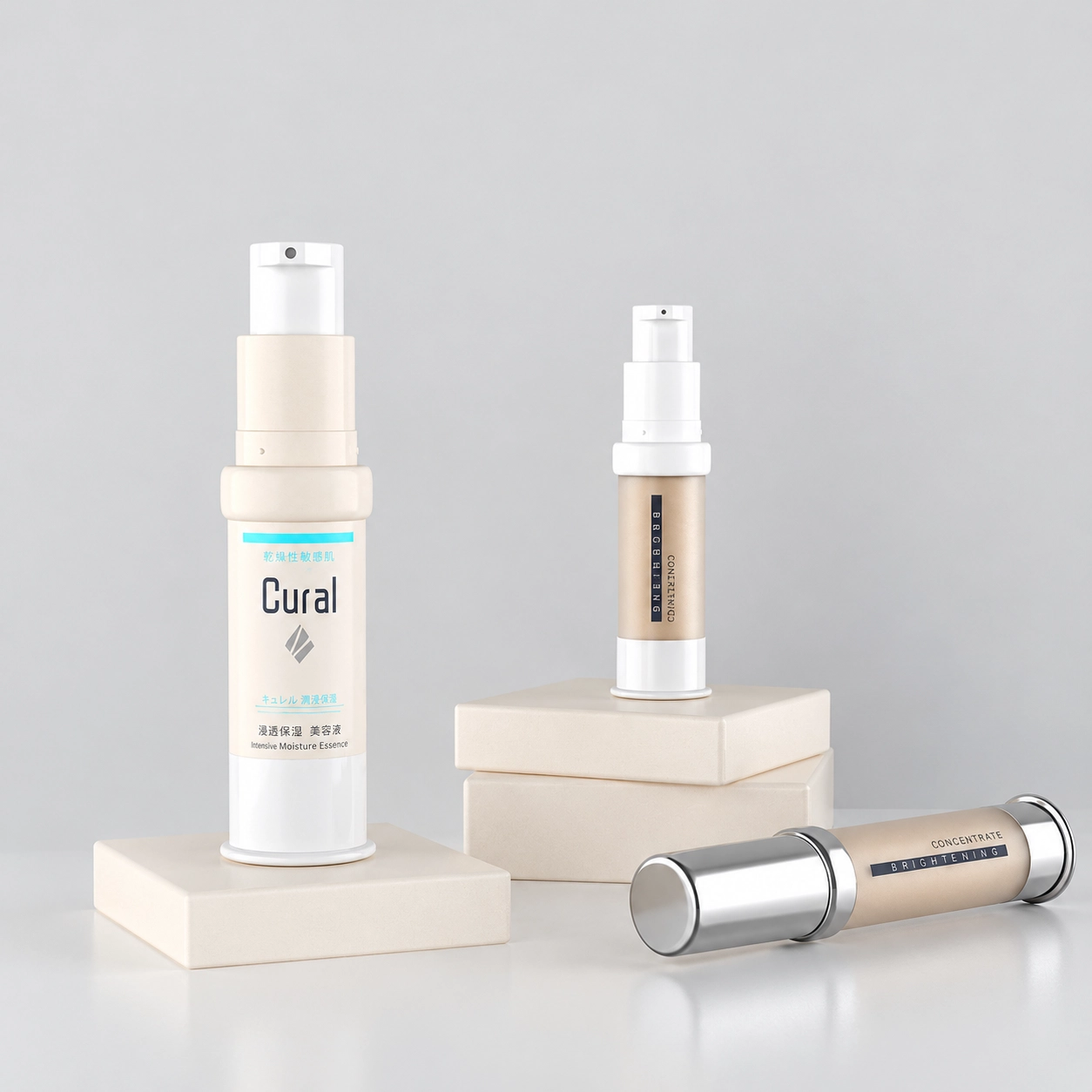
For multi-SKU launches, confirm how capacity, color, decoration, and component changes affect the order structure before calculating opening inventory. A commercially workable MOQ is the one that fits the actual SKU plan, not simply the lowest number shown in a supplier comparison.
Control Sampling and Multi-SKU Risk Before Bulk Production
Once price and capability look workable, the next job is reducing production ambiguity. A pack can look right in a rendering and still create problems when the physical sample reaches the filler or brand team. Multi-SKU programs add another layer because artwork, colors and reorder quantities may vary. Clear sample approval and component control keep those decisions from becoming new sourcing work every time one SKU changes.
Use Sample Approval as a Production Gate
A sample should answer practical questions. Is the selected bottle or tube correct? Does the pump, closure or applicator work as intended? Is the decoration acceptable? Does the assembled package fit the filling route and secondary pack?
Where dispensing is involved, final qualification should use the intended formula whenever practical. Keep the approved physical sample and artwork reference so purchasing and production teams have the same benchmark for bulk manufacturing.
Standardize What Can Stay Common Across SKUs
A foundation range may use one bottle, pump, cap and main brand treatment while shade identification changes at SKU level. The same logic can apply to a skincare family built around a consistent visual system.
For private label beauty packaging, decide early which elements stay common and which need variation. This keeps inventory, artwork and repeat orders easier to manage.
Prepare a Commercially Useful Cosmetic Packaging RFQ
A good cosmetic packaging RFQ helps suppliers quote the project you intend to buy, not a rough version of it. It also makes supplier comparison cleaner. If one factory prices a stock bottle with simple printing and another assumes a customized finish, the quotations are not comparable. Give enough information for the supplier to identify the right package, sampling route and commercial structure from the start.
Include the Details That Change the Quote
A practical RFQ should cover:
- Product category and formula format
- Target capacity and packaging type
- Quantity per SKU
- Pump, closure or applicator requirements
- Color and decoration requirements
- Destination market
- Sampling needs and target launch timing
If the project includes several shades, capacities or artwork versions, state that before pricing. “50,000 pieces total” is not enough if the order is divided across ten configurations.
Compare Quotations on the Same Scope
Check whether every quotation refers to the same package, component combination, decoration, quantity basis and customization level. Unit price is easy to compare; specifications are where sourcing mistakes often begin.
For buyers working with a cosmetic packaging manufacturer in China, a concise written RFQ is useful when several teams are involved across time zones. It reduces back-and-forth and gives purchasing a cleaner record of what was quoted.
OEM Cosmetic Packaging Development: From Brief to Bulk Production
OEM development works best with clear approval gates. Buyers need to know when the structure, artwork, sample and bulk specification become fixed. Jaunce uses a staged development process that moves through inquiry, design selection, sample processing, sample confirmation, bulk manufacturing and delivery. Its OEM/ODM development service gives brands a route for projects that need more than a standard package.
Lock the Right Details at Each Stage
At concept stage, confirm the packaging format and component set. During sampling, review the physical package, color and decoration. Before bulk manufacturing, lock the approved sample and artwork.
Keep component references, color standards and artwork tied to the SKU for later orders. For buyers looking for an OEM cosmetic packaging manufacturer, repeatability matters as much as the first sample.
2026 Packaging Considerations for Social-Commerce Beauty Launches
Packaging now appears across retail shelves, DTC product pages, TikTok Shop videos, Instagram Reels and live-commerce demos. For procurement teams, the sourcing rules do not change, but the package may need to communicate the product quickly on camera as well as in hand. This matters most for pumps, lip products and other formats where dispensing or application is part of the product story. Social visibility should guide design choices without adding unnecessary production complexity.
Design for Demonstration Without Adding Production Risk
Visible fill, clean dispensing, applicator movement and easy handling can make a short-form product demo clearer. Jaunce’s dual-end lip gloss tube is one example where packaging structure becomes part of the presentation; the model offers 4.2ml, 5.4ml and 6.7ml capacity options and accepts OEM/ODM customization.
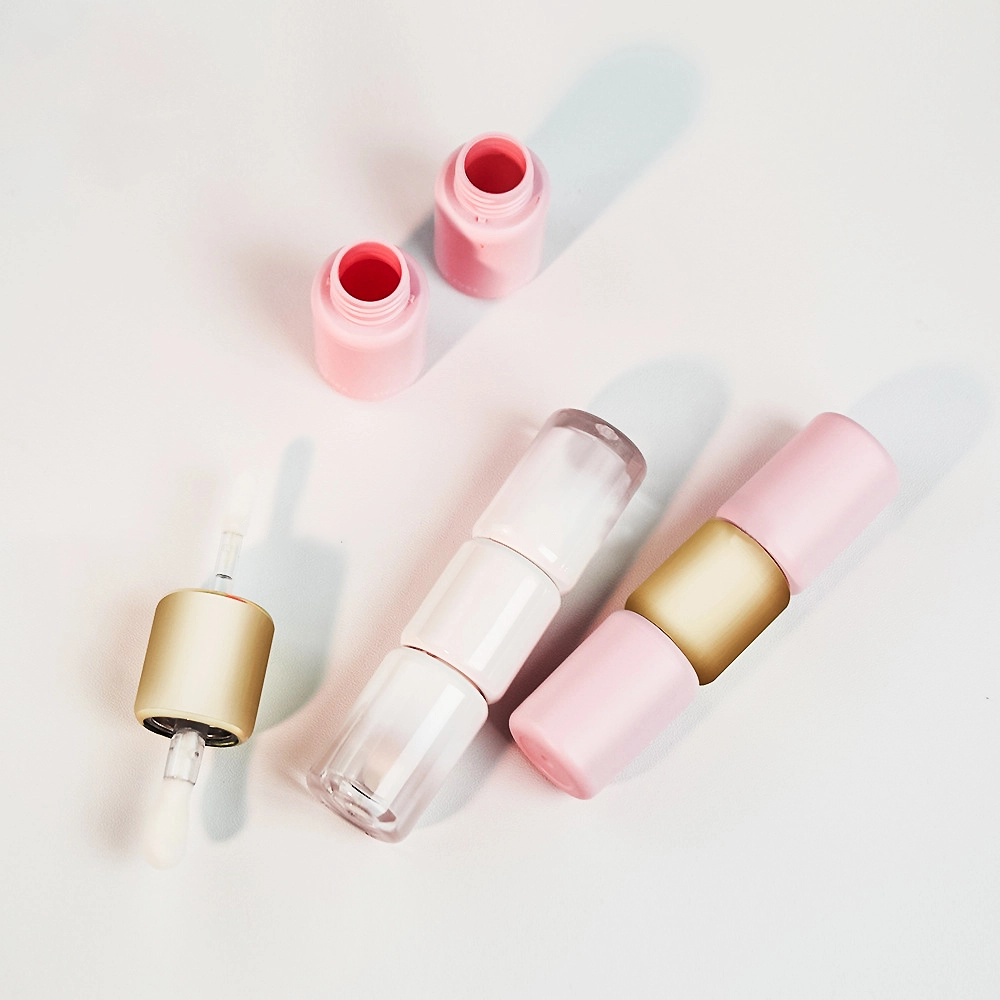
The buyer should still qualify the intended formula, applicator needs and filling plan. A format that looks distinctive on camera but complicates filling or reorder control is not automatically the better commercial choice.
Why Jaunce Industrial Fits Multi-SKU Beauty Packaging Projects
Supplier fit depends on the project. Jaunce Industrial is a cosmetic packaging manufacturer in China with more than 20 years of manufacturing experience, product coverage across glass, plastic, tubes, skincare and color cosmetics, and support for custom shapes, personalized colors, screen printing and OEM projects. That breadth is useful when a brand wants to discuss several packaging formats within one sourcing program.
Bring a Defined Sourcing Brief
A first inquiry should include product type, capacity, quantity by SKU, packaging format, decoration, destination market and launch timing.
That gives Jaunce a practical basis for model selection, sampling and quotation, and lets the buyer judge whether the proposed route fits the project before bulk production.
Conclusion
Choosing a private label cosmetic packaging supplier in 2026 is less about collecting options and more about building a package that can survive the full launch cycle. Define the project, compare suppliers on the same scope, confirm MOQ by configuration, approve the physical sample and keep reorder records clean.
Social-commerce presentation can influence design, but it should not replace sound packaging and procurement basics. Brands preparing a skincare or makeup launch can contact Jaunce Industrial with the product type, capacity, quantity, decoration requirements and timeline to discuss packaging options and a project quotation.
FAQ
Q1: How do I choose a private label cosmetic packaging supplier?
A: Start with product-category fit, then compare customization, MOQ by configuration, sampling, quality approval and repeat-order control. The supplier should be able to discuss the exact project rather than only provide a catalog.
Q2: What should I ask a cosmetic packaging manufacturer before placing an order?
A: Ask about the exact model, capacity, component configuration, decoration, MOQ, sample process and production reference. For pumps or applicators, also confirm how the intended formula will be qualified.
Q3: What customization options can a cosmetic packaging manufacturer provide?
A: Options depend on the model. Jaunce supports custom shapes, personalized colors, screen printing and OEM projects, while selected products also support hot stamping, frosting, gradient spraying and matte finishing.
Q4: What information should I include in a cosmetic packaging RFQ?
A: Include product type, formula format, target capacity, packaging style, quantity per SKU, closure or applicator requirement, color, decoration, destination market, sampling needs and launch timing.
Q5: Is low MOQ cosmetic packaging always better for a new beauty brand?
A: Not necessarily. Lower opening quantity can reduce inventory exposure, but buyers should also consider customization, unit economics, specification consistency and reorder conditions. Check MOQ for the exact configuration rather than relying on a general “low MOQ” claim.