

Введение
Все, что вам нужно знать о каплях и пипетках: Точная упаковка для ваших potions
Комментарии: Все, что вам нужно знать о каплях и пипетках: Точная упаковка для ваших Potions
Jaunce промышленный Все, что вам нужно знать о каплях и пипетках: точная упаковка для ваших potions
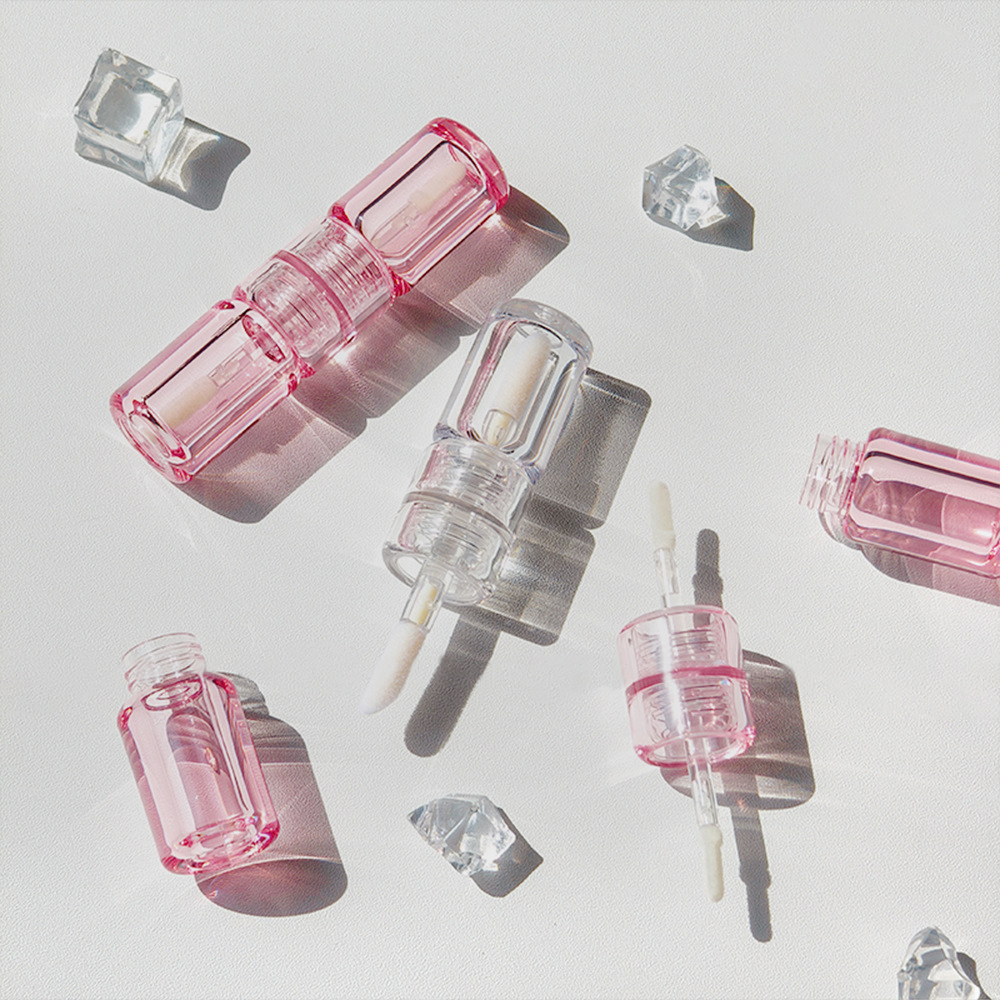
Почему совместимость формул важна для упаковки блеска для губ
Комментарии: Все, что вам нужно знать о каплях и пипетках: Точная упаковка для ваших potions Комментарии на: Все, что вам нужно знать о каплях и пипетках: Точная упаковка для ваших Potions
Все, что вам нужно знать о каплях и пипетках: Точная упаковка для ваших potions yazısına yapılan komentarlar
I. Введение: Ваш партнер в совершенстве упаковки Когда вы работаете в быстро меняющейся и жесткой области ухода за кожей и косметического создания, вы понимаете, что держатель имеет значение столько же, сколько и то, что идет внутри него. Упаковка делает больше, чем держать вещи; он играет ключевую роль в том, как чувствуют себя пользователи, насколько хорошо продукт […]
- «Все, что вам нужно знать о каплях и пипетках: точная упаковка для ваших напитков» — Jaunce industrial «Все, что нужно знать о каплях и пипетках: точная упаковка для ваших напитков» — Jaunce industrial
- I. Введение: Ваш партнер в совершенстве упаковки Когда вы работаете в быстро меняющейся и жесткой области ухода за кожей и косметического создания, вы понимаете, что держатель имеет значение столько же, сколько и то, что идет внутри него. Упаковка делает больше, чем держать вещи; Он играет ключевую роль в том, как чувствуют себя пользователи, насколько хорошо продукт остается хорошим и как выглядит бренд. Вот почему навыки очень важны. На протяжении более двадцати лет Jaunce Industrial построила сильное имя в производстве косметических упаковок. Они не просто раздают бутылки; Они формируют тесные связи на основе заботы, личных прикосновений и надежности. Если вы хотите улучшить нежный […] «Все, что вам нужно знать о каплях и пипетках: точная упаковка для ваших напитков» — Jaunce industrial
- «50мл 100мл 120мл и 200мл пластиковый слок крема» — Jaunce industrial Новости отрасли - Jaunce industrial - страница 7
- Industry News - Jaunce industrial - Страница 7 Новости отрасли - Jaunce industrial - Страница 7
- Жидкая помада «30ml Rotating Pressing Lotion Bottle» — Jaunce промышленная
Классические тюбики для блеска для губ пользуются популярностью в косметической индустрии благодаря своей простоте и удобству использования. Это делает их идеальными для глянцевых или полупрозрачных формул, где важна плавная подача средства.
Для покупателей B2B необходима стабильная производительность розлива.
20 лет Профессиональный Jaunce промышленный - Trang 21
https://www.cosmepak.com/ru/product/30ml-rotating-pressing-lotion-bottle/
При выборе тюбиков для блеска для губ следует ориентироваться на состав продукта. Внешний дизайн, конечно, тоже имеет значение, но в первую очередь структура тюбика, тип аппликатора и особенности герметизации должны определяться составом.
Новости отрасли - Jaunce industrial - страница 7
Для высоковязких составов необходимы плотно прилегающие уплотнители, которые ограничивают излишки, обеспечивая при этом плавное нанесение. Надежное уплотнение между горлышком тюбика и крышкой предотвращает протечки под давлением во время транспортировки. Прозрачные или полупрозрачные тюбики позволяют подчеркнуть интенсивность блеска, не искажая цветопередачу.
Тюбики с кисточкой-аппликатором идеально подходят для тех, кто хочет сочетать точность нанесения с ощущением высокого качества. Такая конструкция хорошо работает с более густыми составами, требующими контролируемого распределения по губам.
https://www.cosmepak.com/wp-content/uploads/2025/12/Everything-You-Need-to-Know-About-Droppers-and-Pipettes-Precision-Packaging-for-Your-Potions.webp
https://www.cosmepak.com/wp-content/uploads/2025/12/30ml-serum-bottle-press-pump-dropper.webp
А. От концепции к созданию: процесс OEM/ODM
# я. введение-ваш-партнер-в-упаковке-совершенство Новости отрасли - Jaunce industrial - Страница 7 # II. определение-точности-решающей-роли-капельщиков-и-пипетт
# а. -обеспечение-дозировка-точность-и-контроль
#б. поддержание-гигиены-и-целостности продукта
#с. повышение-пользовательского-опыта
#iii. навигация-варианты-ядро-капельник-и-пипетка-системы
# а. материал-выбор-стекло-пластик-и-лампочка-композиты
| #б. функциональность-винтовые вершины-против-пресс-насосов | #с. универсальность по размеру и мощности | #iv. желтое-промышленные-решения-настройка-и-продукт-целостность |
| # а. шивка-эстетика-брендинг-и-отделка | #б. защита-мощные-формулы | #с. -мощность-интегрированной-упаковки-наборов |
| # в. партнерство-и-процесс-работы-с-экспертом-по упаковке | # а. от-концепции-к-созданию-процесса-oemodm | #б. гарантирование качества в масштабе |
| #с. фокус на устойчивости | #vi. заключение-упаковка-ваше-видение-с-точностью | «30ml Rotating Pressing Lotion Bottle» — Jaunce промышленная |
Главная страница > Jaunce Industrial > > > > > > > > > > > > > > > > > > > > > > > > > > > > > > > > > > > > > > > > > > > > > > > > > > > > > > > > > > > > > > > >
Геометрия аппликатора влияет на захват продукта; скребки регулируют количество; колпачки обеспечивают герметичность окончательного покрытия. Неплотное прилегание этих компонентов может привести либо к сухому нанесению (слишком малое количество продукта), либо к подтеканию (слишком большое количество). Тестирование реальных формул, а не заменителей, гарантирует надежные результаты.
Проведение выборочного тестирования перед размещением оптовых заказов.
Наша недавно запущенная пластиковая бутылка красоты с ватом идеально сочетает в себе эти две характеристики – компактный и небольшой по размеру, изготовленный из прозрачного материала ABS, оснащенный защитной закрепкой, а также служит практическим аппликатором для различных продуктов по уходу за кожей. Это не просто контейнер.
- Уникально разработанный и ярко цветный медовый аппликатор добавляет ощущение волшебного очарования в вашу жизнь. Он украшен милыми пчелиными узорами и имеет форму медовой палочки, идеально сочетая практичность с восхитительной эстетикой. Этот маленький аппликатор может сделать ваше настроение более веселым и сделать вашу повседневную жизнь полной веселья – это очень подходит для добавления сладкого и детского очарования в вашу жизнь.
- Его форма похожа на классическую медовую палку, сочетающую практичность с сладкой эстетической привлекательностью. Этот компактный инструмент может сделать обычные моменты (например, нанесение его на губы) веселыми, охватив вашу повседневную жизнь теплым и детским сиянием.
- предлагаем высококачественную упаковку; мы также сосредоточиваемся на исследованиях и производстве экологически чистой и перерабатываемой упаковки и предоставляем единое обслуживание для полного удовлетворения различных потребностей вашего бренда.
- Любой цвет partone подгонянный
- Эта 30 мл милая стеклянная бутылка с уникальным и очаровательным дизайном окажет значительное влияние на рынок. В отличие от традиционных бутылок фундамента, эта стеклянная бутылка добавляет ощущение волшебства и удовольствия в процесс макияжа. Его изысканные детали и уникальный дизайн делают его идеальным дополнением к любой коллекции макияжа. Его милая и отличительная форма не только привлекает внимание, но и становится центром разговора между друзьями и энтузиастами красоты.
Эта базовая жидкая бутылка изготовлена из высококачественного стекла, которое чрезвычайно прочно и долговечно. Этот стеклянный материал не только экологически чист, но и эффективно защищает качество основной жидкости. Он может предотвратить любые химические реакции, которые могут повлиять на действие основной жидкости, обеспечивая, что вы можете достичь лучших результатов каждый раз, когда вы используете его. 30 мл емкость подходит как для личного использования, так и для путешествий. Он идеально подходит для хранения в макияжной сумке или сумке, что позволяет вам нести свой любимый фонд с собой куда бы вы ни пошли. Компактный размер гарантирует, что у вас достаточно продукта для ежедневного использования, не занимая слишком много места. Милая стеклянная бутылка разработана с учетом практичности. Его простой в использовании дозатор насоса позволяет точное и контролируемое применение, минимизируя отходы и гарантируя, что вы можете в полной мере использовать продукт. Прочная крышка предотвращает любую утечку, что делает ее идеальным выбором для путешествий. O1CN015BGYtU1DWB2uF7xhr_!! 2209417840223-0-циб(1)
O1CN01gGCYn21WXzR3G2Yzj_!! 948592799-0-циб(1)
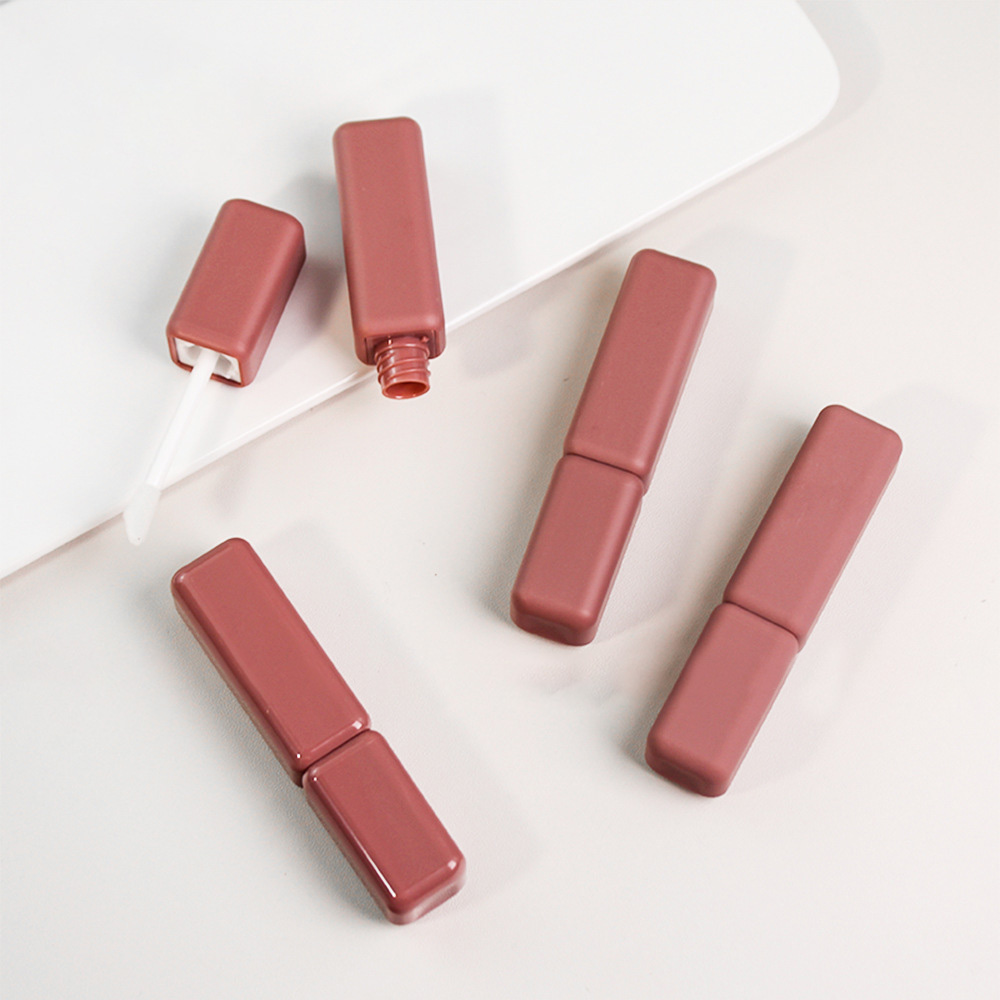
Material selection affects appearance, weight, durability, cost, and finishing results. Jaunce industrial offers lip gloss tube options using materials such as ABS, with custom Pantone color, screen printing, hot stamping, matte finish, and OEM/ODM support for brand projects.
O1CN0143K1np1WXzHnUo6vv_!! 948592799-0-циб(1)
O1CN01T93pzP1DWB2rWoiST_!! 2209417840223-0-циб(1)
Емкость: 30 мл Форма: нерегулярная форма Аксессуары: сыворотковый насос/капельник/туманный спрей и т.д. Цвет: прозрачный / любой цвет pantone MOQ: 10000pcs
JH-PHF167
Эта 30 мл жидкая бутылка фундамента имеет игривый, круглый “ ребенок-подобный” сферическая конструкция крышки. Диаметр дна бутылки составляет 48 мм, а общая высота 91 мм. Он сохраняет компактный размер, имея при этом привлекательную, полную форму. Линии гладкие и в криволинейной форме.
Практичность встречает долговечность:
Его
прозрачная нить 瓶口 (резьбовая шея)
позволяет легкое, беспорядочное наполнение, с плотной, безопасной уплотнением для предотвращения утечок.
усиленная утолщенная основа
обеспечивает стабильность и прочность, в то время как
пресс-насос дозатор
обеспечивает последовательный, сильный выход жидкости для точного применения.
Подгоняемый в отделке и цвете:
Окончательные
Доступно в двух вариантах:
или
- Цветы
- Предлагает универсальный выбор: глянцевые прозрачные, прозрачные градиенты, матовые прозрачные или твердые непрозрачные оттенки.
- Круглая, цибулочная внешняя крышка идеально сочетается с изогнутым корпусом бутылки, придавая ей милую, уютную эстетику (как крошечная кукла), сохраняя при этом функциональный дизайн - идеальный как для повседневного использования, так и для путешествий.
- Размер 30 мл идеально подходит для высокоценных продуктов по уходу за кожей, таких как сыворотки, масла для лица и увлажняющие кремы. Плюсная конструкция позволяет легко обрабатывать и распределять продукт. Круглый и пухлый дизайн бутылки придает ей роскошный и элегантный внешний вид. Это может улучшить общий внешний вид продукта, делая его более привлекательным для потребителей. Гладкая поверхность стекла также позволяет легко маркировать и маркировать.
Jaunce industrial provides Эта круглая и полная стеклянная бутылка 30 мл является универсальным и привлекательным вариантом упаковки с многочисленными преимуществами. Его эстетическая привлекательность, долговечность, защита содержания и экологическая чистота делают его предпочтительным выбором для многих брендов косметики и ухода за кожей. Выбирая эту бутылку, бренды могут повысить привлекательность своей продукции и гарантировать, что они предоставляют потребителям продукцию самого высокого качества. Понедельник, 29 Дек 2025 09:00:25 0000 упаковка блеска для губ партнеры по всему миру.
Вывод
Настройка Новости отрасли - Jaunce industrial - Страница 7 Понедельник, 29 Дек 2025 05:44:55 0000
Jaunce industrial supports this process by offering fully customizable solutions in materials, finishes, capacities, and decoration styles suitable for global OEM/ODM collaborations in 2026’s competitive beauty market. Buyers preparing a new lip gloss line can contact Jaunce industrial Новости отрасли - Jaunce industrial - Страница 7
ЧАСТО ЗАДАВАЕМЫЕ ВОПРОСЫ
Новости промышленности - Jaunce industrial - Trang 7
Емкость: 30 мл Форма: форма цилиндра Материал: Стеклянная бутылка Модель: JH-DY-S321-30ML MOQ: 10000pcs Цвет: Любой цвет parton настраиваемый Аксессуары: насос / крышка крышки
Понедельник, 29 Дек 2025 07:03:00 0000
А: Плотность прилегания скребка, форма аппликатора, горлышко тюбика и герметичность крышки — ключевые параметры.
В3: Отличаются ли тюбики с маслом для губ от обычных тюбиков с блеском для губ?
https://www.cosmepak.com/ru/product/50ml-100ml-120ml-and-200ml-plastic-cream-jar/
Вопрос 4: Может ли прозрачная упаковка блеска для губ лучше демонстрировать формулу с мерцающими частицами?
А: Да, прозрачные тюбики позволяют более четко демонстрировать эффекты мерцания, перламутра и блеска.
В5: Что следует проверить покупателям B2B перед размещением крупных заказов?
Эта бутылка позволяет легко, беспорядочно заполнять, с плотной, безопасной уплотнением, чтобы предотвратить утечки, а усиленная утолщенная основа обеспечивает стабильность и прочность, в то время как дозатор пресс-насоса обеспечивает последовательный, сильный выход жидкости для точного применения.