

คำแนะนำ
เมื่อคุณหาบรรจุน้ำหอมที่ดีที่ผสมผสานรูปลักษณ์ที่ดีกับการใช้งานที่แข็งแกร่ง ค้นหาผู้ผลิตที่ได้รับทั้งสไตล์และวัตถ นั่นคือที่
อุตสาหกรรม Jaunceขั้นขึ้น พวกเขานํามากกว่า 20 ปีในบรรจุภัณฑ์เครื่องสำอาง Jaunce Industrial มุ่งเน้นในการช่วยบรรจุภัณฑ์เต็มรูปแบบสําหรับบริษัทน้ำหอมทั่วโลก โรงงานของพวกเขาผลิตขวดแก้วถึง 400,000 ขวดต่อวัน พวกเขารักษามาตรฐานสูงด้วยการตรวจสอบเช่น SGS / MSDS และ ISO9000 / 14000 ในฐานะผู้ผลิตขวดแก้วที่สำคัญ พวกเขานำทักษะสูงสุดในการผลิต ความช่วยเหลือ และการสัมผัสส่วนตัว ถ้าคุณเริ่มต้นสายกลิ่นหอมขนาดเล็ก หรือเติบโตใหญ่สำหรับการขายทั่วโลก การทํางานที่กำหนดเองของพวกเขาเหมาะกับเป้าหมายของคุณวิศวกรรมความแม่นยำพบกับการออกแบบหรูหรา Jaunce โดดเด่นด้วยการผสมเทคโนโลยีที่แม่นยำกับความรู้สึกสร้างสรรค์ พวกเขาใช้วิธีการปั้นใหม่ เพื่อให้แก้วชัดเจน น้ำหนักสมดุล และเรียบด้านนอก การเลือกของพวกเขาเน้นความหนาของผนังและรูปแบบที่ทำให้สินค้าของคุณโดดเด่นบนชั้นวางของร้าน โรงงานของเราได้ทํางานในบรรจุภัณฑ์เครื่องสำอางเป็นเวลากว่า 20 ปี เราจัดการขวดแก้ว 400,000 ชิ้นต่อวัน นี่ช่วยให้เราทำการวิ่งขนาดเล็กหรือคำสั่งใหญ่ในขณะที่คุณภาพมั่นคง
พวกเขาให้บริการเสริม เช่น การพิมพ์หน้าจอ การปั๊มร้อน และการสเปรย์ แต่ละคนสามารถเปลี่ยนแปลงเพื่อให้ตรงกับแบรนด์ของคุณ’ เรื่องราวกับเรียน
สปอตไลท์เกี่ยวกับผลิตภัณฑ์ลายเซ็นของ Jaunce
ขวดน้ำหอมรูปร่างกระบอก / Jaunce สําหรับคอลเลคชั่นหอมที่ใช้สำหรับชั้นเรียนง่ายๆ เลือกที่
ขวดน้ำหอมรูปร่างกระบอก / Jaunce
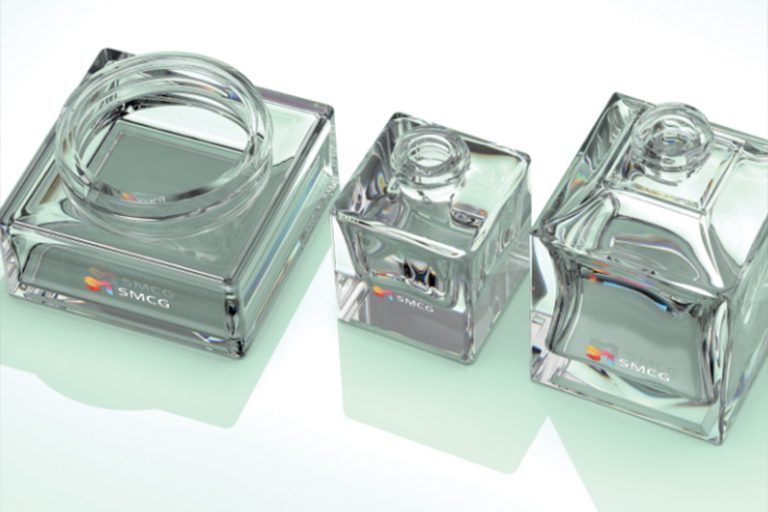
ขวดกลมหรือสี่เหลี่ยม 30 มล. นี้มีฐานแก้วหนัก มันมาพร้อมกับปั๊มสเปรย์เพื่อใช้ง่าย รูปแบบกลมทิ้งพื้นที่ให้กับเครื่องหมายแบรนด์ เช่นโลโก้ที่ยกขึ้นหรือการออกแบบที่พิมพ์ เหมาะกับสายทั่วไปหรือชุดทำด้วยมือ ขวดนี้เข้าร่วมการใช้งานจริงด้วยสไตล์เงียบสงบ
ขวดแก้วน้ำหอมหรูหรา 30ml 50ml 100ml พร้อมด้านล่างหนา
เพื่อให้กลิ่นของคุณอยู่ในตลาดชั้นสูง ลอง
ขวดแก้วน้ำหอมหรูหรา 30ml 50ml 100ml ด้านล่างหนา
ขนาดตั้งแต่ 30ml ถึง 100ml ให้เหมาะกับผลิตภัณฑ์ที่แตกต่างกัน ฐานหนาเพิ่มความมั่นคง และความรู้สึกของมือที่อุดมไปด้วยสินค้าแฟนซี รูปทรงกลมของมันเข้ากับหลายประเภทกลิ่น มันดูสมดุลบนจอแสดงร้าน
กล่องว่างพร้อมปั๊มสเปรย์ซีล
วิธีที่คุณเก็บและฉีดน้ำหอมของคุณมีความสำคัญมากเท่ากัน การตั้งค่านี้ให้ความสะดวกและรักษากลิ่นสดนาน Jaunce Industrial มุ่งเน้นในการช่วยบรรจุภัณฑ์เต็มรูปแบบสําหรับบริษัทน้ำหอมทั่วโลก โรงงานของพวกเขาผลิตขวดแก้วถึง 400,000 ขวดต่อวัน พวกเขารักษามาตรฐานสูงด้วยการตรวจสอบเช่น SGS / MSDS และ ISO9000 / 14000 ในฐานะผู้ผลิตขวดแก้วที่สำคัญ พวกเขานำทักษะสูงสุดในการผลิต ความช่วยเหลือ และการสัมผัสส่วนตัว ถ้าคุณเริ่มต้นสายกลิ่นหอมขนาดเล็ก หรือเติบโตใหญ่สำหรับการขายทั่วโลก การทํางานที่กำหนดเองของพวกเขาเหมาะกับเป้าหมายของคุณ การสร้างแบบปฏิบัติผสมการใช้งานที่มีประโยชน์กับลักษณะที่ดี กล่องมีปิดผนึกเครื่องพ่นปั๊มเพื่อลดการไหลไหลและการสูญเสียกลิ่น มันให้การเปลี่ยนแปลงในความรู้สึกหรือภาพแบรนด์ นี่ทำให้สายผลิตภัณฑ์ทั้งหมดของคุณดูเหมือนกัน
ประโยชน์ทางการทำงานที่เสริมความหรูหราของบรรจุภัณฑ์แก้ว
การคุ้มครอง การอนุรักษ์ และความยั่งยืน
การใช้งานง่าย
ข้อดีที่ใหญ่สําหรับแก้วคือ มันยังคงเป็นกลาง มันไม่ผสมกับส่วนกลิ่น นี่ช่วยให้กลิ่นจริงตามเวลา
แก้วต่อสู้กับสนิมและบล็อกแสงได้ดี นอกจากนี้ ผู้คนยังสามารถรีไซเคิลมันได้ตลอดไป สําหรับกลิ่นที่ได้รับความเสียหายจากแสง พวกเขาเพิ่มชั้นป้องกัน UV เหล่านี้ทำให้กลิ่นอ่อนแข็งแรงผ่านผลิตภัณฑ์’ ชีวิตบนชั้นวาง
| https://www.cosmepak.com/wp-content/uploads/2025/12/The-Silent-Revolution-Why-Mono-Material-PP-Airless-Systems-Are-the-Future-of-Recycling-at-Scale.webp | การเป็นสีเขียวมีความสำคัญมากขึ้นสำหรับผู้ซื้อตอนนี้ แก้ว’ ความสามารถในการรีไซเคิล เหมาะกับสิ่งที่คนที่เป็นมิตรกับสิ่งแวดล้อมต้องการ วิธีสีเขียวไม่ใช่แค่แฟชั่น พวกเขาสร้างความผลักดันใหญ่ทั่วโลก เรายังทำงานกับตัวเลือกสีเขียว และตัวเลือกที่ยั่งยืน | โอกาสในการปรับแต่งเพื่อความแตกต่างของแบรนด์ |
| บรรจุภัณฑ์ควรแสดงแบรนด์ของคุณ’ แกน s. Jaunce ให้ตัวเลือกเช่น frosting, โลหะเงา, สีหายไป, หรือการเสร็จสิ้นที่น่าเบื่อ. ทุกคนสามารถปรับได้กับความคิดของคุณ | เรามีรูปแบบหลากหลายที่เปลี่ยนแปลงได้ง่ายตามความต้องการของแบรนด์ นี่รวมถึงการพิมพ์หน้าจอ, การปั๊มน้ำแข็ง, การปั๊มร้อน, การพ่นสเปรย์, ด้าน โลโก้ที่ยกขึ้นหรือฉลากรายละเอียดช่วยบอกเรื่องราวของคุณ การปิดจากด้านบนแม่เหล็กไปยังเครื่องฉีดพ่นทำงานสำหรับวิธีการใช้ผลิตภัณฑ์ที่แตกต่างกัน | การยกระดับอัตถุประสงค์ของแบรนด์ผ่านความดีเยี่ยมของบรรจุภัณฑ์ |
| บรรจุภัณฑ์พรีเมี่ยมช่วยเพิ่มประสบการณ์ของผู้บริโภคได้อย่างไร | มุมมองแรกนับมาก โดยเฉพาะอย่างยิ่งในร้านกลิ่นหอม เมื่อผู้ซื้อถือขวดที่รู้สึกหนักและดูดี มันสนับสนุนการเลือกซื้อของพวกเขาก่อนที่กลิ่นจะตี | กล่องบรรจุภัณฑ์ทํางานเหมือนผู้ขาย การออกแบบที่ดีที่สุดทำงานเหมือนนักขายที่ดี เรื่องราวที่ใช้สายตา รวมถึงการสัมผัสสร้างความรู้สึกที่แข็งแกร่ง นี่ทำให้ผู้ซื้อมีโอกาสกลับมาหรือบอกเพื่อนมากขึ้น |
| ชั้นสูงมาจากมูลค่าที่เห็น ไม่ใช่แค่ค่าใช้จ่าย ไม่มีอะไรแสดงให้เห็นว่าคุ้มค่าเช่นสไตล์ที่สมบูรณ์แบบ ด้วยการทำงานที่จุดจุด | ร่วมมือกับ Jaunce Industrial: ความมุ่งมั่นในคุณภาพและบริการ | โซลูชั่นที่เหมาะสำหรับแบรนด์น้ำหอมทั่วโลก |
| ความรู้สึกของผู้บริโภค | ตั้งแต่การวาดในช่วงแรกจนถึงการสร้างเต็มรูปแบบ Jaunce ให้การสนับสนุนอย่างเต็มรูปแบบ การตั้งค่าอย่างรวดเร็วของพวกเขาจัดการกับการวิ่งพิเศษขนาดเล็ก หรือการเปิดตัวโลกใหญ่ | แผนที่กำหนดเองจะมาในเวลาเพียง 3 นาที นี่จะเร่งการเปิดตัวของคุณ โดยไม่สูญเสียความคิดใหม่ การตรวจสอบคุณภาพครอบคลุมทุกชิ้น การทดสอบสําหรับซีลที่กันอากาศเพื่อพิมพ์ถือหมายถึงผลที่คงที่สําหรับรายการทั้งหมด |
| ติดต่อ Jaunce Industrial สำหรับโซลูชั่นบรรจุน้ำหอมที่กำหนดเอง | คุณต้องการมากกว่าผู้ขาย คุณต้องการเพื่อนทีมที่รู้จักแบรนด์ของคุณ’ ความฝัน | ติดต่อกับ |
Jaunce Industrial เพื่อคำแนะนำมืออาชีพเกี่ยวกับแผนหอมต่อไปของคุณ
ทีมช่วยเหลือของพวกเขาทํางานตลอดทั้งวัน เพื่อแนะนำคุณในการเลือกหรือรูปร่างที่กำหนดเอง ด้วยการจัดส่งทั่วโลก และสายการผลิตที่ยืดหยุ่น พวกเขาเติบโตตามแบรนด์ของคุณ ไม่ว่าจะอยู่ที่ไหน
Q: ทำไมแก้วถูกชอบมากกว่าพลาสติกในบรรจุน้ำหอม?
ตอบ: แก้วเป็นวัสดุที่เลือกสำหรับน้ำหอมคุณภาพสูง ไม่มีวัสดุอื่น ๆ ที่สามารถตรงกับความหรูหรา ความชัดเจน และความประกาย มันยังรักษาความซื่อสัตย์ของกลิ่นดีขึ้นเนื่องจากลักษณะที่ไม่มีปฏิกิริยา
Q: ฉันสามารถปรับแต่งรูปร่างและการเสร็จสิ้นของขวดน้ำหอมของฉันได้หรือไม่?
- ตอบ: ใช่ เรามีการออกแบบที่หลากหลายที่สามารถปรับแต่งได้ง่าย ๆ เพื่อตอบสนองความต้องการที่กำหนดเองของแบรนด์ รวมถึงการปรับเปลี่ยนรูปร่าง, การนูน, การพิมพ์หน้าจอ, หรือการเปลี่ยนสี Q: Jaunce รองรับการผลิตขนาดเล็กสำหรับแบรนด์บูติกหรือไม่?
- ตอบ: แน่นอน การผลิตที่ยืดหยุ่นที่รองรับความต้องการทั้งบูติกและขนาดใหญ่ เป็นส่วนหนึ่งของโซลูชั่นที่ปรับแต่งของพวกเขาสําหรับแบรนด์น้ำหอมทั่วโลก มรดกของแก้วสง่างามในประวัติศาสตร์บรรจุน้ำหอมและความดึงดูดไม่มีเวลา
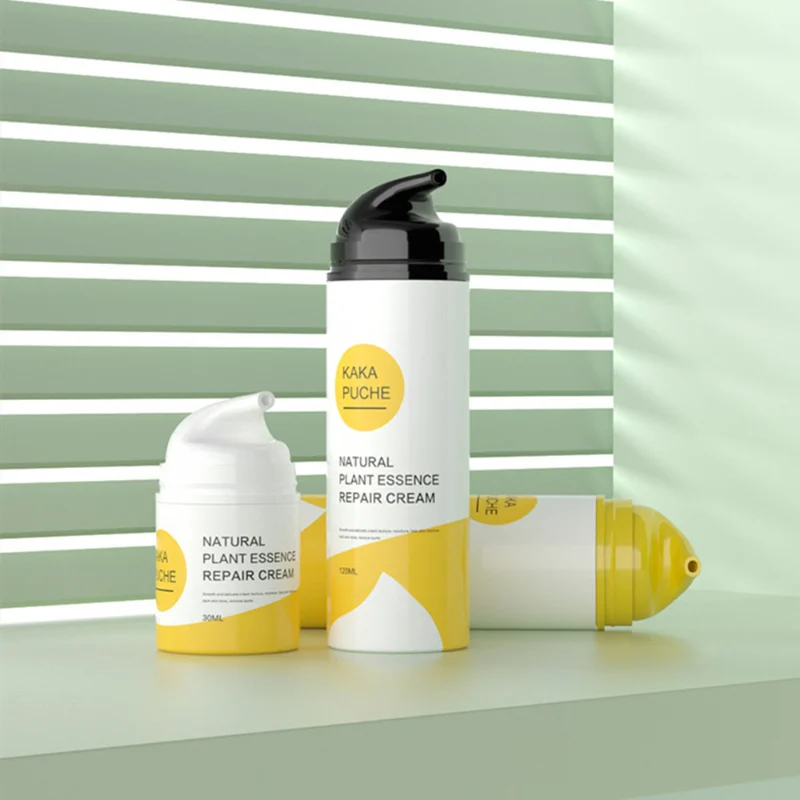
- ขวดปั๊มไร้อากาศคืออะไร? คุณอาจได้สังเกตเห็นภาชนะที่สะอาดและง่ายๆ สำหรับผลิตภัณฑ์ความงาม และคิดว่าอะไรที่แตกต่างกันมัน ขวดปั๊มไร้อากาศถูกสร้างขึ้นเพื่อรักษาและปล่อยผสมเครื่องสำอาง โดยไม่ต้องใช้การตั้งค่าท่อจุ่มแบบเก่า แทนที่จะเป็นท่อที่ดึงของเหลวจากฐาน ขวดเหล่านี้ขึ้นอยู่กับ […] ขวดปั๊มไร้อากาศคืออะไร?
- คุณอาจได้สังเกตเห็นภาชนะที่สะอาดและง่ายๆ สำหรับผลิตภัณฑ์ความงาม และคิดว่าอะไรที่แตกต่างกันมัน ขวดปั๊มไร้อากาศถูกสร้างขึ้นเพื่อรักษาและปล่อยผสมเครื่องสำอาง โดยไม่ต้องใช้การตั้งค่าท่อจุ่มแบบเก่า แทนที่จะเป็นท่อที่ดึงของเหลวจากฐาน ขวดเหล่านี้จะพึ่งพาวิธีการดูดเพื่อให้เนื้อหาออกในวิธีที่เรียบร้อยและมีประสิทธิภาพมากขึ้น ขวดปกติให้อากาศลื่นเข้าไปหลังจากทุกการบีด ซึ่งอาจเป็นอันตรายต่อผลิตภัณฑ์ในเวลาที่ผ่านมา ขวดไร้อากาศเป็นการตั้งค่าปิด การตั้งค่านี้จะป้องกันอากาศจากการกลับเข้าไป ดังนั้นจึงช่วยปกป้องส่วนที่ละเอียดอ่อน เช่น เรติโนล วิตามินซี หรือน้ำมันพืช ขวดเหล่านี้เป็นประโยชน์มากในการบรรจุความงามและดูแลผิว เนื่องจากมันยาวให้ผลิตภัณฑ์มีอายุนานแค่ไหน และลดการสัมผัสกับจุลินทรีย์
ระบบปั๊มไร้อากาศทำงานอย่างไร
ความแตกต่างที่แท้จริงในบรรจุนี้มาจากการตั้งค่าลูกสูบภายใน เมื่อคุณกดลงบนส่วนด้านบน ลูกสูบด้านล่างจะเคลื่อนที่ขึ้นเล็กน้อย ๆ ในเวลาเดียว บังคับให้ผลิตภัณฑ์ไปสู่ด้านบน ทุกการบีดทำให้มีพื้นที่ว่างเปล่าเล็กๆ ในพื้นที่ เพื่อให้แน่ใจว่าไม่มีอากาศกลับไปยังขวดหลังจากผลิตภัณฑ์ออกมา
ผลการดูดนี้มีบทบาทใหญ่ในการรักษาผสมให้มั่นคง มันไม่เพียงแค่บล็อกอากาศ แต่ยังหยุดการสลายจากออกซิเจน ซึ่งมักจะทำร้ายส่วนที่ใช้งาน หากคุณได้เห็นครีมของคุณเปลี่ยนสีเป็นสีมืดในเวลาที่ผ่านมา มักจะเกิดขึ้นจากการสัมผัสกับออกซิเจนมากเกินไป โดยการตัดปัญหานี้ วิธีการที่ไม่มีอากาศจะทำให้แน่ใจว่าการใช้งานแต่ละครั้งยังคงแข็งแรงเท่ากับคนแรก
นอกจากนี้ วิธีนี้ทําให้คุณได้รับผลิตภัณฑ์เกือบทั้งหมดออกโดยไม่ต้องสั่น กดแข็ง หรือแม้กระทั่งเปิดภาชนะในวิธีที่ยุ่งยุ่ง ซึ่งเป็นสิ่งที่การตั้งค่าปั๊
ข้อดีของเทคโนโลยีการจ่ายอากาศไร้อากาศ
เหตุผลหนึ่งที่แข็งแกร่งที่จะเลือกบรรจุที่ไม่มีอากาศ คือมันทำให้สิ่งต่างๆ สดใหม่ได้ดีแค่ไหน เนื่องจากผลิตภัณฑ์อยู่ห่างจากอากาศ คุณลดโอกาสของการสลายและการเติบโตของเชื้อราอย่างมาก นี่ทำให้ขวดที่ไม่มีอากาศสมบูรณ์แบบสําหรับผสมที่มีผู้รักษาเพิ่มไม่กี่คน หรือผู้ที่ปฏิกิริยาไม่ดีต่อแสงและอากาศ อีกอย่างที่มีประโยชน์คือปริมาณที่คงที่ทุกครั้ง ทุกการบีดจะให้ผลิตภัณฑ์เท่าเดียวกัน ดังนั้นขั้นตอนดูแลผิวของคุณจะได้รับความน่าเชื่อถือมากขึ้นและน้อยลง คุณหลีกเลี่ยงการใส่ครีมหรือของเหลวมากเกินไปโดยความผิดพลาด ซึ่งประหยัดเงินสดและให้แน่ใจว่าคุณใช้มันอย่างถูกต้อง สุดท้าย เนื่องจากคุณสามารถปล่อยสิ่งทั้งหมดจากภาชนะ ขวดที่ไม่มีอากาศช่วยสิ่งแวดล้อมมากขึ้น พวกเขาลดการทิ้ง โดยหยุดให้ผลิตภัณฑ์ที่เหลือไม่สูญเสียเร็วเกินไป
- ขวดปั๊มไร้อากาศของ Jaunce Industrial หากคุณกำลังมองหาทางเลือกที่ดีสำหรับการบรรจุที่ไม่มีอากาศ, ตรวจสอบ
- ด้วยการผลิตบรรจุเครื่องสำอางมากกว่า 20 ปี บริษัทนี้ให้บริการเต็มรูปแบบที่เหมาะสมกับสิ่งที่คุณต้องการ เรานำทักษะสูงสุดในการสร้าง ช่วยเหลือ และการเปลี่ยนแปลง ในฐานะผู้ผลิตขวดแก้วชั้นนํา โรงงานของพวกเขาผลิตขวดแก้ว 400,000 ขวด และขวดพลาสติก 50,000 ขวดต่อวัน ดังนั้นทั้งปริมาณและมาตรฐานยังคงสูงโดยไม่ล้มเหลว บริษัทมุ่งเน้นมากกับวัสดุสีเขียว อาคารที่แม่นยำ และตัวเลือกสไตล์ ไม่ว่าคุณจะผสมโลชั่น เซรั่ม หรือครีม การเลือกที่กว้างขวางของพวกเขาครอบคลุมประเภทสำหรับการใช้งานทั้งแฟนซี่และประจำวัน
ผลตอบรับจากลูกค้าแสดงให้เห็นว่าผลิตภัณฑ์สูตรอ่อนไหวที่บรรจุในเครื่องพิมพ์ไร้ลมของ Jaunce industrial มีอายุการเก็บรักษาที่ยาวนานขึ้น แบรนด์ระดับพรีเมียมหลายแบรนด์รายงานว่าผู้บริโภคมีภาพลักษณ์ที่ดีขึ้นเนื่องจากดีไซน์ที่เรียบหรูและมินิมอล ซึ่งสะท้อนให้เห็นถึงการพัฒนาทางเทคโนโลยีที่ตอบโจทย์ความต้องการด้านสุนทรียศาสตร์
ข้อสรุป
ขวดไม่มีอากาศ 5ml, 10ml, 15ml, 30ml - Jaunce
หากคุณต้องการดูแลผิวที่ดีที่สุดด้วยผลที่แท้จริง คิดเกี่ยวกับ
ขวดไม่มีอากาศ 5 มล., 10 มล., 15 มล., 30 มล. ขวดด้านบนปิดนี้ไม่มีกระเป๋าอากาศ มีขนาดที่มีประโยชน์สี่ขนาด (5 มล. ถึง 30 มล.) มันทำงานได้ดีเพื่อความสะดวกและพกพารอบ ๆ เหมาะกับจุดเช่นการดูแลผิวที่บ้าน หรือในระหว่างการทำงานหรือการเดินทาง สไตล์บิดทอปทําให้การเพิ่มผลิตภัณฑ์ง่ายขึ้นและช่วยใช้ครีมเบาหรือผสมได้ดี สร้างจากวัสดุ AS และ PP ที่แข็งแกร่งผู้ถือเหล่านี้ให้การป้องกันการกระแทกที่ดีและดูดี ไม่ว่าคุณจะสร้างชุดดูแลผิวเดินทางขนาดเล็ก หรือต้องการชุดทดสอบที่ทํางานอย่างเต็มที่ ชนิดนี้จะนำทั้งสไตล์และความแข็งแกร่ง ผู้ใช้ชอบวิธีที่มันรู้สึกในมือ, เบา แต่แข็งแกร่ง, และวิธีที่มันทำให้เนื้อหาปลอดภัยจากแสงและอากาศ. สําหรับแบรนด์ที่มุ่งเน้นให้กับคนที่วุ่นวาย ซีรีส์ขวดนี้ให้การผสมผสานที่ฉลาดของรูปแบบและฟังก์ชั่น ช่วยให้ผลิตภัณฑ์สว่างในตลาดท
คำถามที่พบบ่อย
ขวดเซรั่มไม่มีอากาศ 5 มล., 10 มล., 15 มล. วัสดุ PP - แพคเกจครีมของเหลว
สำหรับคนที่จัดการเซรั่มหรือการรักษาที่แพงในปริมาณเล็ก ๆ น้อย
ให้การควบคุมที่แม่นยำ
รูปทรงกลมช่วยจับง่ายในขณะที่เพิ่มรูปลักษณ์ แผนการดูดให้สดชื่นให้แน่ใจว่าผลิตภัณฑ์ยังคงดีโดยการหยุดอากาศจากการเข้าไป, การตัดความแตกต่างและเพิ่ม 1-3 เดือนให้มันเป็นเวลานาน ล็อคแบบกดเดียวเพิ่มความปลอดภัยโดยการขจัดความเสี่ยงการไหลไหลหรือสิ่งสกปรกเพิ่มเติม หากคุณคุ้มค่าการพกพาง่ายสําหรับสิ่งเช่น หยดตาหรือจุดแก้ไข เลือกแสงนี้เหมาะสมที่สุด
ขวดนี้พิสูจน์ว่าเหมาะสำหรับการใช้งานทุกวันที่แม่นยำ ที่ทุกหยดนับ ร่างกายที่ชัดเจน ทําให้คุณเห็นระดับภายใน ดังนั้นไม่มีความประหลาดใจหมดไป แบรนด์มักจะเลือกมันสําหรับสายสูง เนื่องจากสายสะอาดและปั๊มที่น่าเชื่อถือสร้างความไว้วางใจกับผู้ซื้อที่สนใจคุณภาพและการดูแล
ประโยชน์ของประสิทธิภาพเมื่อเทียบกับบรรจุภัณฑ์แบบดั้งเดิม
การตั้งค่าไร้อากาศมากกว่าลักษณะ พวกเขานำผลประโยชน์ที่แท้จริงในการใช้งานจริง กว่าวิธีการจ่ายเก่า เนื่องจากไม่มีการไหลของอากาศกลับมาหลังจากให้ออก คุณไม่จําเป็นต้องกังวลเกี่ยวกับผลิตภัณฑ์ที่จะไม่ดีก่อนวันที่บนฉลาก
การจัดการง่ายยังเพิ่มความรู้สึกของผู้ใช้เกี่ยวกับมัน ส่วนด้านบนที่ราบรื่นทำให้การให้ออกง่ายทุกครั้ง เพื่อความช่วยเหลือเพิ่มเติม หลายชนิดมีสีผ่านหรือสีนุ่ม ดังนั้นคุณสามารถตรวจสอบผลิตภัณฑ์ที่เหลือโดยไม่ต้องถอดด้านบน
ชิ้นส่วนอัจฉริยะเหล่านี้เชื่อมโยงกับการสร้างผลิตภัณฑ์และขั้นตอนของผู้ใช้อย่างราบรื่น ขวดเก่ามักจะพลาด ในการทดสอบขวดที่ไม่มีอากาศแสดงขยะน้อยลงและรักษาบิตที่ใช้งานได้ดีข ขอบนี้ช่วยในสาขาที่ความไว้วางใจในความสดชื่นสินค้าสําคัญมากที่สุด
ตัวเลือกการปรับแต่งที่มีจาก Jaunce Industrial