

Mini packaging has moved well beyond the free sample. In 2026, smaller formats are being used for discovery sets, travel retail, paid trials, hotel and spa programs, and other low-commitment ways to introduce a product before a full-size purchase. Mini formats can also fit creator kits, TikTok Shop bundles, and gift-with-purchase programs when the commercial plan calls for them.
For a beauty brand, however, a smaller pack is still a production SKU. Formula behavior, usable dose, artwork space, filling, MOQ, and reorder planning all matter. Jaunce Endüstriyel works across cosmetic bottles, tubes, jars, and skincare packaging, giving B2B buyers several routes for mini and travel-size projects.
Why Mini Cosmetic Packaging Is Becoming a Commercial SKU in 2026
The first decision should be what the mini is meant to accomplish. A free trial, retail mini, discovery set, and travel SKU may all use small containers, but they create different requirements for capacity, branding, cost, and inventory. Treating them as one packaging category makes sourcing harder later. Once the commercial role is clear, buyers can choose a format and capacity that fit the product instead of simply shrinking an existing full-size pack.
From Free Samples to Paid Minis and Discovery Sets
Mini formats increasingly sit between sampling and a full-size purchase. Travel-size and discovery packaging lets consumers try a product with less commitment, while brands get another way to introduce a formula outside a conventional full-size launch.
Cosmetic sample packaging may need to look and perform more like a finished product than a throwaway promotional item.
A serum mini, for example, may need enough volume for several applications. A cleanser sample may require more formula per use. The right capacity should follow the intended trial experience.
Match Mini Packaging Formats to the Intended Sales Channel
Channel changes the job of the package.
An e-commerce discovery set needs compact dimensions and clear SKU identification. A hotel or spa format puts more emphasis on practical use. A paid retail mini needs enough visual presence to stand beside larger products. A creator kit benefits from packaging that opens and dispenses cleanly on camera.
TikTok Shop and short-form beauty content can make product handling more visible, but that does not mean adding decoration for the sake of it. Clear branding and a straightforward product demonstration often matter more than a complicated finish.
Selecting Mini Packaging by Formula, Dispensing Method and Use Case
Once the commercial purpose is settled, container selection becomes a technical decision. Travel size cosmetic packaging should be matched to the formula and dispensing method rather than chosen by volume alone. Liquids, gels, creams, and balms behave differently during filling and use. Small packaging also leaves less room for a closure that feels awkward or artwork that is difficult to read. Buyers should qualify the actual format before artwork and order quantities are locked.
Mini Bottles for Liquid Skincare
Small bottles can work well for fluid skincare and personal-care products when the opening and closure suit the formula.
Jaunce'nin 15ml Colorful Dropper Bottle uses a glass bottle with an oval profile and dropper fitting. Its 15ml capacity gives brands a compact option for small-format liquid skincare projects, while Pantone color customization is available for branded programs.
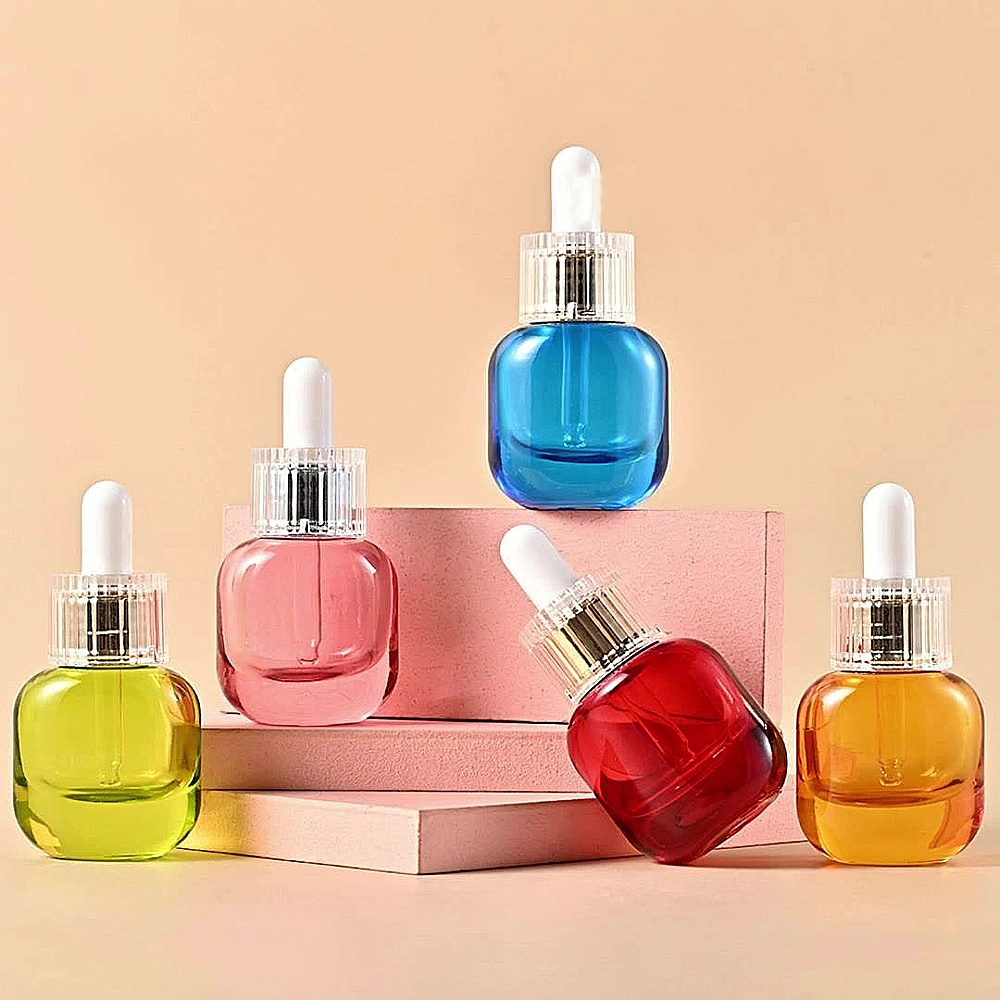
For a travel size skincare packaging project, the smallest available bottle is not automatically the right one. Look at dose per use, flow behavior, closure performance, filling method, and the expected length of the trial.
Small Cosmetic Tubes for Creams, Gels and Cleansers
Tubes can be practical for creams, gels, cleansers, sunscreens, and similar products where controlled squeeze dispensing makes sense.
Jaunce’s small cosmetic tube series includes a 15g version alongside 30g, 50g, and 100g formats. The 15g size has a listed printable height of 58.8mm, which is useful information when a brand wants to carry full-size visual elements into a sample or travel format.
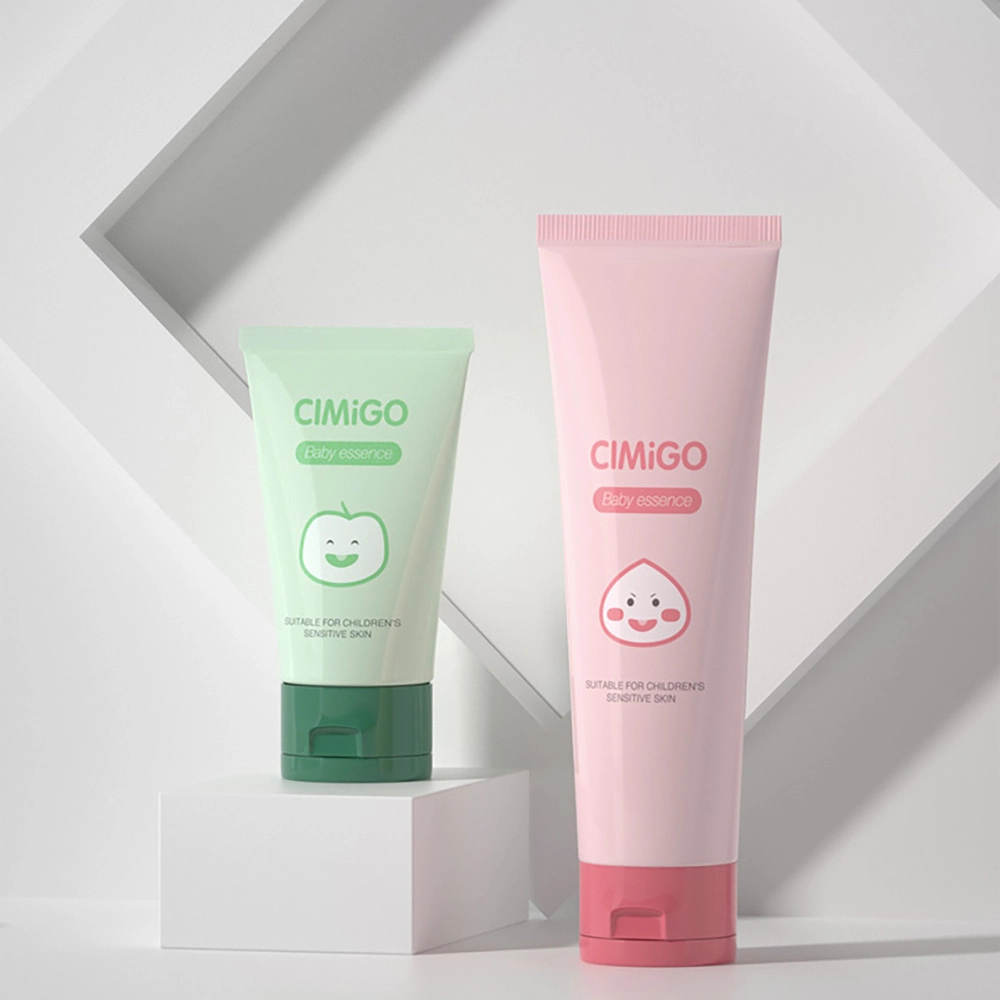
Before bulk production, buyers should still check cap handling, sealing, filled-product behavior, and artwork on the physical tube. Small format, same basic sourcing discipline.
Small Jars for Thick Creams, Balms and Masks
Small jars can suit thicker formulas that benefit from direct access rather than a narrow dispensing path.
Mat gül altın kapak iki beyaz iç mühürleme diskiyle eşleşir: diskler hava, toz ve kirliliğe karşı ekstra bir bariyer oluştururken, kapağın şık tasarımı kavanozun genel zarif siluetini tamamlar. cosmetic sample containers, capacity needs to reflect how the product is actually used. A tiny jar may look attractive in a kit but offer too little product for a meaningful face-cream trial. A balm or eye treatment may need much less.
The better route is to estimate product use first, then select the container.
Choose Capacity Around the Trial Program, Not Just the Container
Capacity sits at the point where marketing plans meet purchasing reality. Five milliliters may provide a useful trial for one formula and barely a few applications for another. A 30ml container can operate as a retail mini rather than a conventional sample. Instead of applying one size rule across a product range, buyers should work backward from expected use, channel, and positioning. That produces a stronger basis for choosing mini cosmetic bottles, tubes, or jars.
5ml–15ml for Sampling and Short Trial Cycles
Smaller formats can suit concentrated products, short trials, or multi-product discovery kits where every SKU does not need a long use cycle.
The key number is not capacity by itself. It is expected uses.
A product requiring a larger dose per application can make a very small pack feel underfilled from the consumer’s point of view, even when the nominal volume matches the original brief.
15ml–30ml for Retail Minis and Travel Programs
Larger mini formats can support longer trials, travel programs, and paid mini SKUs. They may also provide more room for branding and required copy.
There is no universal best capacity for travel size cosmetic containers. Formula cost, frequency of use, retail price, full-size capacity, and channel all shape the decision.
Artwork and Decoration Constraints in Small-Format Cosmetic Packaging
The package becomes smaller, but the brand usually still needs a logo, product name, SKU identification, and required copy. This is why full-size artwork cannot always be reduced proportionally and dropped onto a mini. Buyers should check the real printable dimensions before artwork approval. Once artwork or decoration begins to vary by capacity, those design choices also become purchasing variables. That connection leads directly into MOQ and SKU planning.
Printable Area Does Not Follow Capacity in a Straight Line
Jaunce’s flip-cap bottle range shows the issue clearly. The 12ml, 18ml, and 30ml models list printable heights of 41.5mm, 60.5mm, and 46mm respectively. In this series, the 18ml model offers more printable height than the 30ml model.
Capacity therefore cannot be used as a shortcut for artwork space.
Mat gül altın kapak iki beyaz iç mühürleme diskiyle eşleşir: diskler hava, toz ve kirliliğe karşı ekstra bir bariyer oluştururken, kapağın şık tasarımı kavanozun genel zarif siluetini tamamlar. custom mini cosmetic packaging, place the real artwork on the selected dimensions before final approval. A few millimeters can change logo scale, line breaks, and how much secondary information remains readable.
Keep Mini and Full-Size SKUs Visually Connected
A mini does not need to reproduce every decorative detail from the full-size package.
Keeping core colors, logo treatment, product naming, and key SKU cues consistent usually does more for recognition than forcing every finish onto a smaller surface. That also helps discovery-set users identify the full-size product later.
MOQ and SKU Planning for Mini Cosmetic Packaging
Mini containers use less formula, but packaging complexity does not shrink at the same rate. Artwork versions, colors, closures, and decoration can still create separate production configurations. A four-product set can quietly become four purchasing lines before anyone notices. For B2B buyers, cosmetic packaging MOQ should therefore be reviewed against the finished SKU structure, not just the size of the bottle or tube.
Why Small Packaging Does Not Automatically Mean a Small MOQ
Buyers searching for cosmetic sample containers wholesale should ask what the quoted minimum actually applies to.
Does a new color create another configuration? What about a different artwork version, capacity, closure, or finish?
A mini SKU may use less formula, but decoration setup and SKU fragmentation do not necessarily fall at the same rate. Seeing that structure early makes the opening-order calculation much more useful.
Build Trial Sets Without Creating Unnecessary Packaging SKUs
A coordinated range is easier to control when common elements remain common.
Jaunce maintains a Skincare Product Set Package category alongside individual skincare packaging formats. For a discovery or trial program, that gives buyers a useful internal route for reviewing coordinated packaging rather than treating every SKU as an unrelated project.
Keep variations only where they support product identification or the commercial plan. Fewer unnecessary packaging changes usually mean cleaner artwork control and simpler reorder records.
Once the number of finished mini SKUs is clear, those decisions can be turned into an RFQ that suppliers can quote on the same basis.
Preparing a Mini Cosmetic Packaging RFQ for Sampling and Quotation
A useful RFQ should be specific without becoming a technical essay. By this stage, the buyer should know what the mini is for, the likely format, capacity range, and number of SKUs. That gives a mini cosmetic packaging manufacturer enough context to recommend a model, prepare samples, and build a comparable quotation. Sending only “need travel-size containers” leaves too many commercial assumptions open.
Define the Technical and Commercial Details Before Sampling
A practical RFQ should include:
- Formula type and relevant flow characteristics
- Target capacity or intended trial duration
- Preferred bottle, tube, or jar format
- Number of finished SKUs
- Quantity per SKU
- Color and decoration requirements
- Filling route, destination market, and launch timing
For a five-product discovery set, quote quantities by individual SKU rather than only the number of completed sets. It sounds minor, but it gives purchasing and production a much clearer starting point.
Sonuç
Mini cosmetic packaging works best when it is planned as part of the product portfolio rather than treated as a smaller afterthought.
Start with the commercial role of the mini, then match the package to the formula and intended use cycle. Check printable area before artwork approval, review MOQ by finished configuration, and keep trial-set variations under control. In 2026, discovery formats, paid minis, travel packaging, and creator-focused launches create more ways to introduce a product, but the pack still has to make sense at quotation, filling, and reorder stage.
Brands preparing mini skincare packaging, travel-size bottles, sample tubes, or discovery sets can contact Jaunce Industrial for packaging options and a project quotation with the target capacity, formula type, SKU count, decoration requirements, and quantity.
SSS
Q1: What size cosmetic sample container should a beauty brand choose?
A: Capacity should follow the product dose and intended trial period. Smaller 5ml–15ml formats can suit short trials or concentrated products, while 15ml–30ml formats may be more practical for paid minis or longer travel-size use.
Q2: What packaging works best for travel-size skincare products?
A: The formula should drive the format. Mini bottles can suit many liquids, tubes can work for creams and gels, and small jars may be appropriate for thicker formulas that need direct access.
Q3: What is the MOQ for mini cosmetic packaging?
A: There is no single category-wide MOQ. It depends on the selected model and finished configuration, including capacity, color, artwork, closure, and decoration. Buyers should confirm the minimum for each intended SKU.
Q4: Can mini cosmetic bottles use the same artwork as full-size packaging?
A: The visual identity can stay consistent, but artwork often needs adjustment. Printable area changes by model and capacity, so logo placement, text size, and secondary information should be checked on the actual package.
Q5: What should be included in a mini cosmetic packaging RFQ?
A: Include formula type, target capacity, packaging format, number of SKUs, quantity per SKU, decoration requirements, filling route, destination market, sampling needs, and launch timing.