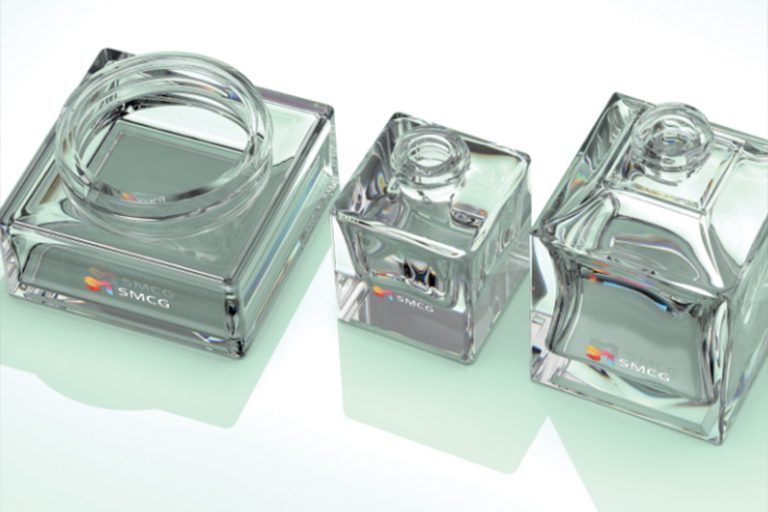


A gold logo can give a serum bottle a premium look before anyone reads the ingredient list. A crisp white print, meanwhile, helps shoppers recognize every product in a skincare line. Both effects may look straightforward in a digital mockup. Production is another story.
For buyers sourcing custom cosmetic bottles, decoration affects tooling, unit cost, sample approval, MOQ, lead time, and the way a package holds up during filling and shipping. The right choice is not simply the finish that looks better on a screen. It is the process that fits the bottle surface, artwork, quantity, and launch plan.
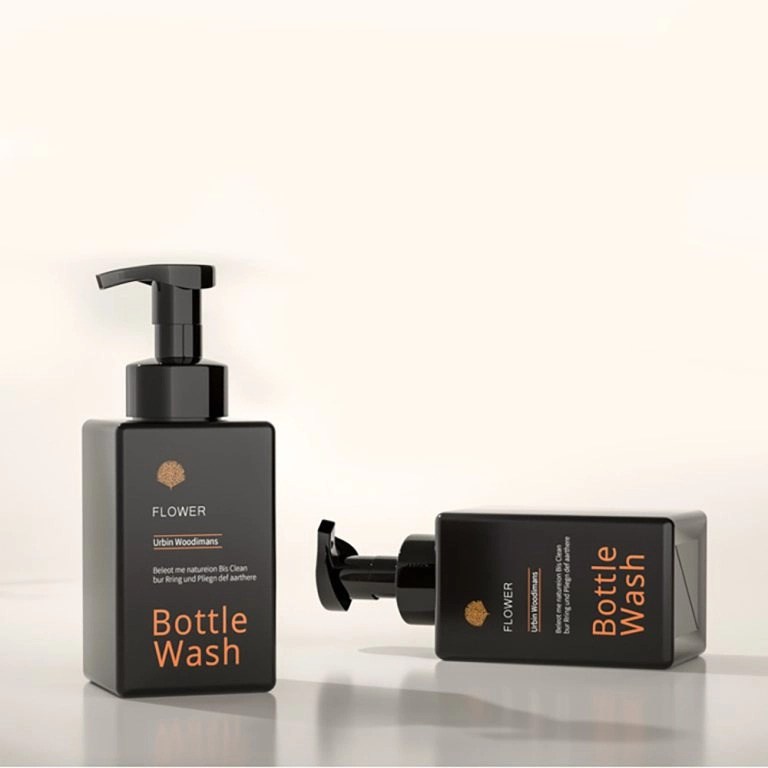
How Hot Stamping and Silk Screen Printing Differ
Hot Stamping Creates a Foil Finish
Hot stamping uses heat and pressure to transfer foil onto a defined area of a bottle or component. Gold and silver are common, while rose gold and other decorative effects may also be available.
The artwork normally requires a stamping die. Final quality depends on the die, foil, temperature, pressure, bottle geometry, and size of the contact area. Compact logos, borders, and short lines of text are usually more practical than large wraparound graphics.
Very small type can be troublesome. Fine letter openings may fill in, while steep shoulders or uneven curves can prevent the foil from transferring cleanly.
Silk Screen Printing Produces Solid Color
Silk screen printing transfers ink through a prepared mesh screen onto the container surface. It is widely used for brand names, product descriptions, volume information, and solid-color graphics.
A separate screen or production pass may be needed for each color. Ink choice, surface preparation, and curing conditions also need to match the substrate. Glass, PETG, PP, and coated surfaces do not all respond in the same way.
In everyday supplier conversations, the shorter term “screen printing” is common. Both terms refer to the same basic decoration method in this article.
| Buying factor | Hot stamping | Silk screen printing |
| Typical appearance | Metallic or reflective accent | Solid, opaque color |
| Common applications | Logos, borders, premium details | Brand names, instructions, larger graphics |
| Main setup item | Stamping die | Printing screen |
| Color control | Foil selection | Ink and Pantone reference |
| Key production risk | Incomplete transfer or edge loss | Adhesion problems or registration shift |
| Typical commercial fit | Focused luxury effect | Repeatable branding across a product line |
Compare the Visual Result Before Comparing Price
When Hot Stamping Makes Sense
Hot stamping works well when the design needs one strong metallic detail. A small rose-gold logo on a matte bottle can do plenty. Covering a larger area does not always make the package look more expensive; sometimes it just makes the design busy.
Bottle geometry matters. A straight cylindrical wall normally provides a more predictable contact surface than a steep shoulder, recessed panel, or uneven curve. The proposed stamping area should be reviewed on the physical bottle before the die is produced.
Foil also reacts to light. A digital rendering may show a flat gold color, while the actual bottle shifts in appearance as it moves under store lighting. That reflection is part of the appeal, but it cannot be judged accurately from a PDF.
When Silk Screen Printing Is the Better Choice
Screen printing is often more practical when a design depends on solid brand colors, readable text, or consistent graphics across several SKUs.
The bottle underneath changes the final result. White ink on clear glass may appear brighter than the same ink on frosted glass. Dark coatings can also affect opacity, especially when the artwork uses fine lines or small lettering.
A Pantone reference provides a useful target, but it does not replace a decorated sample. Ink, bottle color, surface texture, and lighting all influence the final visual match.
Can Both Processes Be Used?
Yes. Some custom cosmetic bottles use screen printing for product information and hot stamping for a metallic logo.
The combination can look polished, though it adds another setup, production pass, registration check, and sample approval. It should earn its place in the design rather than being added simply because both options are available.
Match the Decoration Process to the Bottle
Glass Skincare Bottles
Glass can support both decoration methods, including on coated or frosted surfaces. The available print area still depends on the bottle wall, shoulder profile, coating, and artwork position.
Glass offers a premium feel, but decoration also has to survive carton contact, filling-line handling, and normal use. A clean sample sitting alone on a desk does not show what happens when hundreds of decorated bottles move through production.
PETG Bottles
PETG can be useful when a project needs clear walls, lower shipping weight, or larger capacities. Surface condition and pretreatment may affect how well ink or foil bonds to the bottle.
Jaunce industrial’s 250 ml and 450 ml PETG bottle range supports silk screen printing, hot stamping, coating, labeling, frosting, electroplating, and customized colors. The short description lists 3,000 pieces for general orders and 10,000 pieces for custom production, and a 30-day lead time after deposit. Current terms should be confirmed for the selected color, closure, and decoration process.
For large bottles, artwork scale becomes important. A logo that feels balanced on a 50 ml serum bottle may look oddly small on a 450 ml body-care container.
PP Airless Bottles
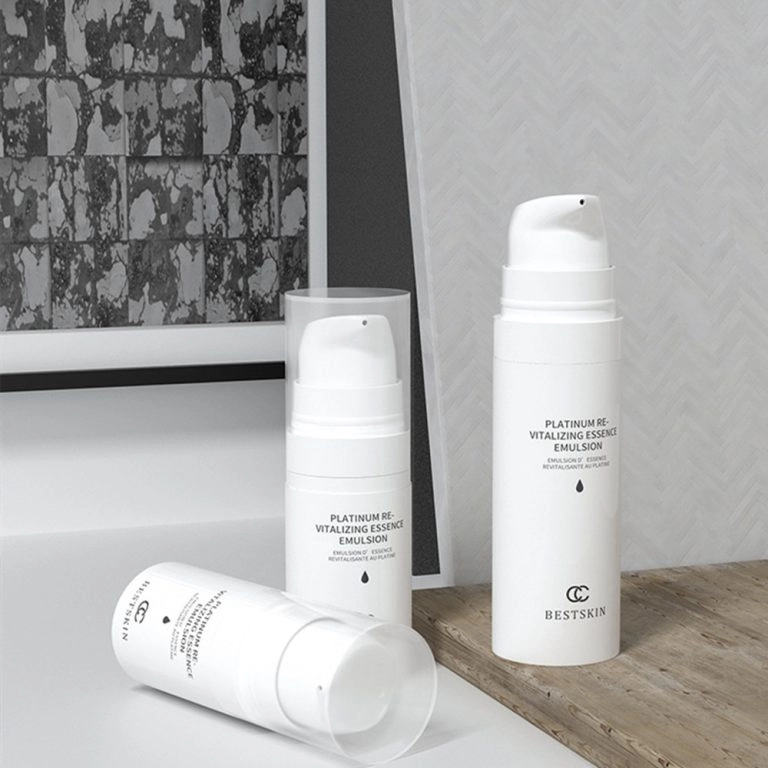
Small airless bottles bring the opposite problem: the available decoration area can be shorter than the designer expects.
Jaunce industrial’s PP airless bottle is available in 5 ml, 10 ml, and 15 ml capacities. Its printable heights are 27 mm, 38 mm, and 52 mm respectively. The model supports Pantone color customization, screen printing, hot stamping, and other surface finishes, with a listed MOQ of 10,000 pieces.
Those dimensions make a practical point: one artwork file may not scale neatly across an entire product family. The logo, line spacing, and minimum text size may need separate layouts for each bottle.
Compare Cost and MOQ on the Same Basis
Separate Setup Charges from Unit Price
Hot stamping generally involves a die and foil setup. Screen printing requires a screen, and additional colors may require extra screens or printing passes.
A production-ready quotation should separate:
- Bottle and closure cost
- Stamping die or printing screen charge
- Decorated sample cost
- Color-matching requirements
- Number of colors and print positions
- Export packing
- Production lead time
A quote that says “printing included” is too vague. It does not show which setup costs, samples, colors, or decoration positions are covered.
Review Colors, Positions, and Registration
One color on one side is a different job from two colors printed on opposite sides of a bottle. Each position requires setup and alignment. Tight registration also demands closer control.
A slight shift may disappear inside an organic pattern but stand out immediately on a centered wordmark or geometric border. Buyers should define acceptable position and alignment limits before production begins.
Confirm MOQ by Component and Process
The plain bottle, pump, custom color, screen printing, and hot stamping may carry different minimum quantities. The highest requirement can determine the actual project MOQ.
When comparing suppliers, request the minimum quantity for the complete bottle-and-decoration combination. Jaunce industrial’s custom cosmetic packaging supplier checklist also covers sampling, customization, MOQ, quality control, and bulk-production planning for B2B packaging projects.
Test the Decorated Bottle Before Production
Check Adhesion and Handling
Decoration testing should use the actual bottle material, surface finish, ink or foil system, and planned production process.
Review the bottle after normal rubbing, carton contact, and handling. Pay particular attention to raised logos, fine edges, and decoration near areas commonly touched during use.
Pretty at the sample table is not enough.
Include Formula Contact
Serum, toner, foundation, or facial oil may migrate toward the bottle neck or pump collar. When the decorated area sits nearby, product residue can affect appearance or adhesion.
Test the finished formula with the intended bottle, closure, pump, and decoration. Neither hot stamping nor screen printing is automatically more durable in every application. Actual performance depends on the full package.
Approve a Physical Standard
A digital mockup can confirm layout. It cannot show metallic reflection, ink opacity, edge sharpness, or adhesion on a curved surface.
The approved physical sample should record:
- Bottle model and capacity
- Artwork version
- Print dimensions
- Pantone or foil reference
- Decoration position
- Surface finish
- Approval date
Keep a signed sample for bulk inspection. That small step can prevent an expensive argument later.
Which Decoration Process Fits the Project?
Choose hot stamping when the design calls for a focused metallic logo, reflective border, or premium accent on a suitable surface.
Choose silk screen printing when the package needs solid brand colors, product text, a larger printed area, or repeatable graphics across several capacities.
Use both when the layered visual result justifies the extra tooling, registration work, samples, MOQ, and production time.
Working with Jaunce industrial
Jaunce industrial’s manufacturing team has more than 20 years of experience in cosmetic packaging. Its capabilities include glass and plastic packaging, custom shapes, personalized colors, screen printing, and OEM production.
For an accurate cosmetic bottle printing quotation, provide the bottle model, material, order quantity, editable vector artwork, print dimensions, Pantone references, foil preference, decoration position, and target delivery date.
Clear specifications allow the cosmetic packaging supplier to review tooling, feasibility, sampling, MOQ, and production timing as one project—not as a series of disconnected requests.
Kết luận
Hot stamping and silk screen printing solve different branding problems. Foil is well suited to focused metallic detail. Screen printing is usually more practical for solid color, product information, and a consistent family look.
Cost and durability depend on the bottle surface, artwork, tooling, order quantity, process settings, and approval standard. The name of the process alone does not decide the result.
Jaunce industrial can review the container and decoration as one production project. Submit the bottle model, vector artwork, colors, foil choice, order quantity, and launch schedule to request decorated samples and a project-specific quotation.
Câu hỏi thường gặp
Q1: Is hot stamping more durable than silk screen printing on cosmetic bottles?
Một: Not automatically. Durability depends on the bottle material, coating, ink or foil system, process settings, decoration area, and exposure during filling, shipping, and use. Both options require testing on the finished package.
Q2: Can silk screen printing be applied to frosted or coated glass bottles?
Một: Yes, when the ink, surface preparation, and curing process suit the finish. A decorated sample should be checked for adhesion, color, opacity, and rubbing before bulk production.
Q3: Can hot stamping and silk screen printing be used on the same bottle?
Một: Yes. Screen printing may be used for product information, while hot stamping adds a metallic logo or border. Process order, registration, surface compatibility, MOQ, and sample timing need confirmation.
Q4: How do print colors and decoration positions affect cost and MOQ?
Một: Additional colors, multiple sides, larger artwork, and tighter alignment may require extra screens, dies, setups, and production passes. These changes can raise sample cost, unit price, MOQ, and lead time.
Q5: What artwork is required for a custom cosmetic bottle quotation?
Một: Provide editable vector artwork, the selected bottle model, print dimensions, Pantone colors, foil reference, decoration position, order quantity, and target delivery date.