

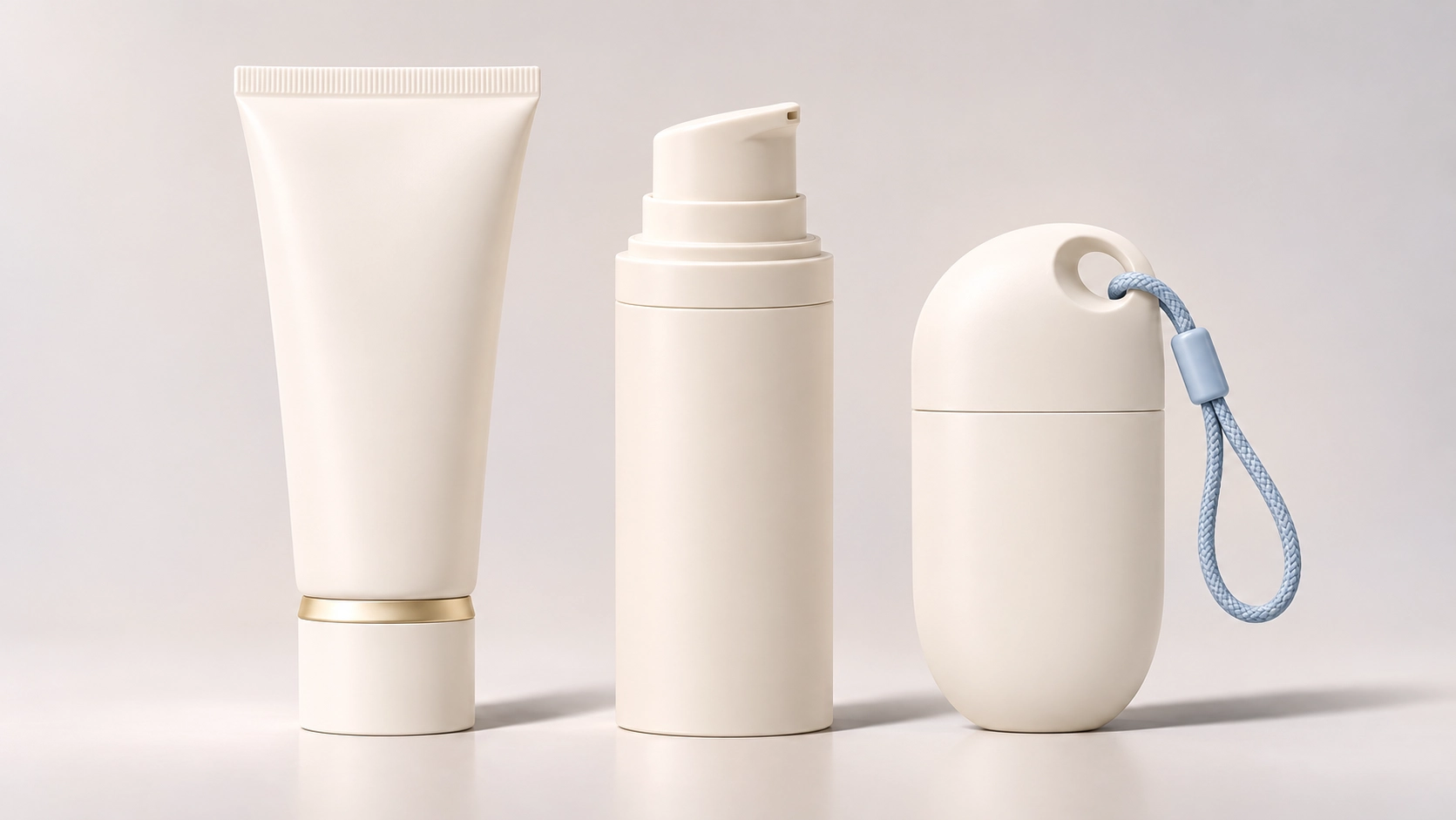
Choose sunscreen packaging by matching the formula, application pattern, filling process, and use environment to a complete dispensing system. Squeeze tubes usually suit familiar cream and lotion routines. Airless pumps can support controlled facial dosing where reduced product exposure is important. Compact squeeze bottles can emphasize portability and frequent reapplication. None of these formats should be approved from an empty sample alone. The filled package must be checked for compatibility, dispensing, closure integrity, decoration, transport, and near-empty use.
Before requesting samples, decide how much sunscreen the pack should dispense, how the user will carry it, and which formats your filling line can handle.
Start With the Formula and Use Case
Record the sunscreen form, viscosity range, target fill, ingredients that may affect plastics or elastomers, application area, expected dose pattern, and storage conditions. Add the filling temperature, line orientation, closure application method, and distribution route. These inputs help the supplier screen materials and components, but the commercial formula still needs package compatibility testing because resin names alone do not predict the performance of a finished pack.
Use also changes the decision. For a face sunscreen used at a dressing table, consider a metered pump. For a family body lotion, prioritize fast dispensing and broad label space. For a travel format, prioritize a protected closure, compact shape, and attachment point. Define the primary routine before comparing appearance or decoration.
Compare the Three Sunscreen Packaging Formats
| Định dạng | Useful project fit | Main checks before approval |
| Squeeze tube | Creams and lotions with familiar hand-squeeze application | Tube layer, shoulder and cap fit, tail seal, squeeze recovery, print area, leakage |
| Airless pump | Facial or controlled-dose concepts using a pump presentation | Formula flow, priming, dose consistency, actuator lock or cap, residual product, assembly |
| Portable PE bottle | Small carry formats intended for frequent reapplication | Cap and inner plug, squeeze force, lanyard hardware, pocket or bag use, leakage, decoration |
Squeeze Tubes for Familiar Cream Application
A squeeze tube offers direct dispensing and a large printable body. Cosmepak lists a PE sunscreen and skincare squeeze tube with multiple capacities, screw-cap options, custom color, and printing choices. Use those details to shortlist the model, then confirm the exact tube construction, cap, orifice, decoration route, and tail area for the quoted model.
Tube approval should include the filled tail seal, because the converter or filler closes that end after filling. Check the seal appearance, artwork keep-out area, cap engagement, squeeze force, product draw-back, and storage in likely orientations. A tube that passes upright bench review may behave differently when packed horizontally or carried cap-down.
Airless Pumps for Controlled Facial Dispensing
An airless system can reduce repeated exposure through the dispensing path and provide a measured pump action when the selected mechanism passes filled-package testing. One option is a PP airless bottle in 30 ml and 50 ml sizes with a dust cap. Buyers should confirm the complete component structure, filling method, pump output, and decoration specification for the production version.
Test priming, repeated output, recovery after storage, low-fill performance, and residual product. A thick formula may not feed the mechanism in the same way as a low-viscosity sample liquid. Confirm whether the package is top-filled or uses another assembly route, and make sure the contract filler can assemble it without trapping air or damaging the sealing interfaces.
Portable PE Bottles for Reapplication
For easier reapplication, choose a compact bottle with the closure and carrying details designed as part of the package. The 40 ml PE sunscreen bottle with lanyard uses a PE bottle body and inner plug, a PP cap, and a lanyard attachment with metal hardware. This configuration suits an outdoor or travel concept, but the filled assembly still needs bag-use and transport checks.
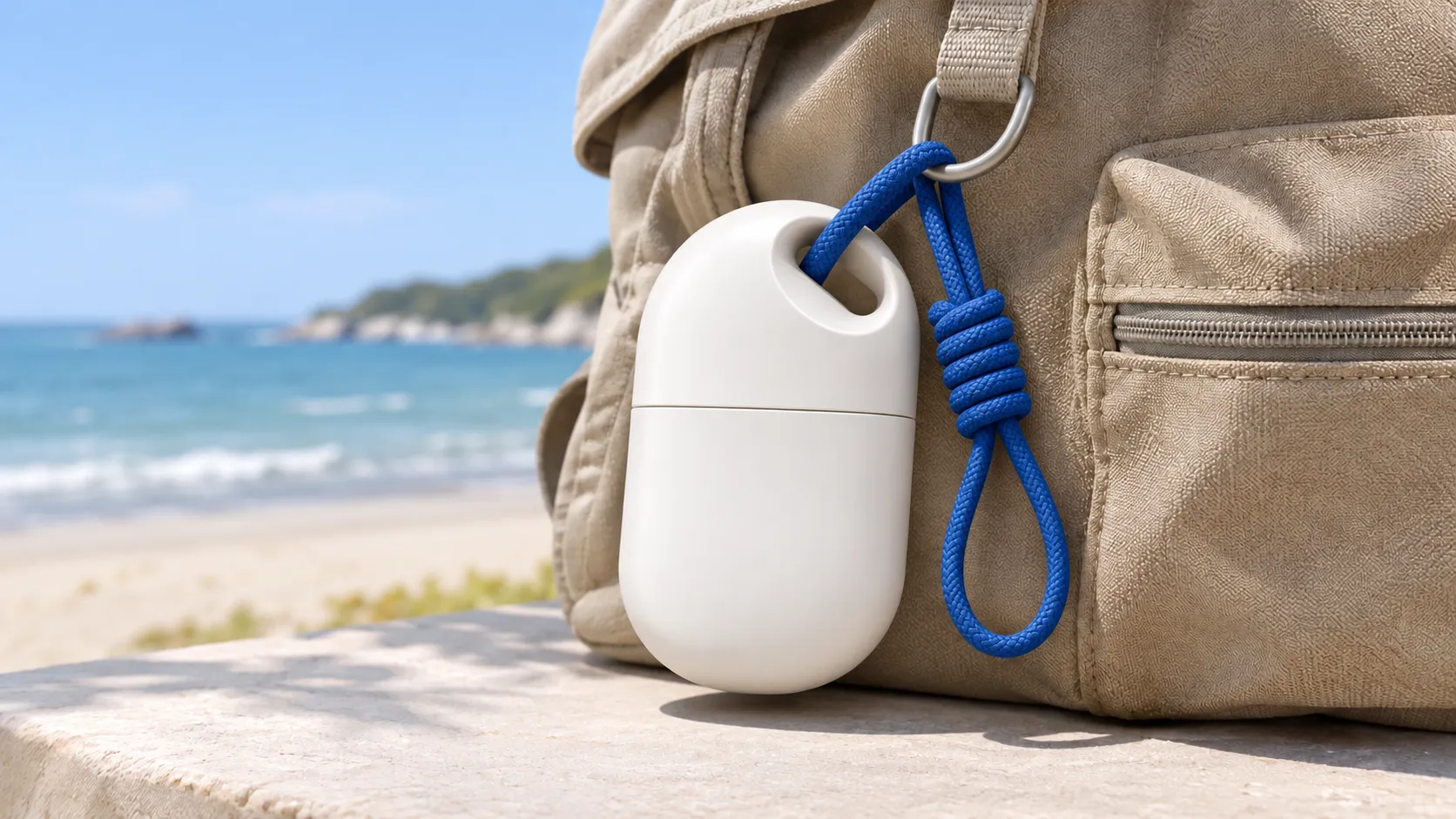
Review how the user opens, squeezes, closes, and carries the bottle. Test the inner plug and cap after repeated use, inspect the attachment point under reasonable handling, and confirm that decoration does not rub off against a pouch, strap, or other container. The attachment is a convenience feature, not a substitute for closure validation.
Run Filled Package Tests Before Decoration Approval
A production-intent test should use the intended container, closure or pump, formula, fill volume, decoration, and assembly process. Condition samples in the orientations and temperatures relevant to storage and distribution. Then repeat functional and appearance checks. The acceptance plan should identify who supplies the formula, who fills samples, how long they are observed, and which changes require retesting.
- Check visible change, odor transfer, swelling, softening, stress cracking, discoloration, and loss of closure fit.
- Measure dispensing behavior at the start, during repeated use, and near the agreed exhaustion point.
- Inspect leakage after upright, inverted, horizontal, and transport-simulation handling appropriate to the project.
- Evaluate print, coating, labels, and hot-stamped areas after handling and conditioning.
Mũ vàng hồng mờ kết hợp với hai đĩa niêm phong bên trong trắng: các đĩa tạo ra một rào cản bổ sung chống lại không khí, bụi và ô nhiễm, trong khi thiết kế thanh lịch của nắp bổ sung cho hình dáng thanh lịch tổng thể của lọ. squeeze-tube samples, check how the cap opens, whether the tail seal holds after filling, and whether the artwork clears the sealed area at the intended fill volume.
Prepare a Supplier Brief That Produces Comparable Options
Send the supplier the formula type, target fill, preferred format, capacity, application area, use environment, material restrictions, filling location, decoration artwork, order quantity by SKU, target market, and required tests. For a pump, add the desired dose and lock or cap preference. For a tube, add the orifice, cap style, and filler sealing method. For a portable bottle, define the carry feature and closure expectations.
Ask each quotation to identify the exact model, material by component, capacity basis, decoration processes, sample stage, tooling status, assembly scope, and pack-out. This makes the options comparable and prevents a low unit price from hiding a missing component or process. Approve the functional package first, then confirm color and artwork on a representative decorated sample.
Kết luận
Squeeze tubes, airless pumps, and portable PE bottles solve different sunscreen packaging tasks. Start with formula behavior and user routine, compare the complete dispensing systems, and validate the filled package under expected storage and handling. The strongest selection is the format with confirmed compatibility, repeatable dispensing, reliable closure performance, workable filling, and a decoration plan that can be reproduced in production.
To compare these Cosmepak formats, request a sunscreen package fit review with the formula type, target fill, preferred capacities, expected use, quantity by SKU, artwork, filling method, and planned validation conditions.
Câu hỏi thường gặp
Are Airless Bottles Always Better for Sunscreen
No. They can support controlled dispensing and reduced exposure through the pump path, but suitability depends on formula flow, priming, assembly, dose, residual product, and filled-package compatibility. A squeeze format may be simpler for another application.
What Tests Matter Most for a Sunscreen Tube
Check formula compatibility, tail-seal integrity, cap and orifice fit, squeeze recovery, leakage in expected orientations, decoration durability, and performance near empty. Use the intended formula and production sealing method.
Can a Portable Bottle Use the Same Formula as a Tube
Do not assume so. The bottle, inner plug, cap, orifice, and dispensing force create a different contact and use system. Repeat compatibility and functional testing in the selected portable package.
When Should Decoration Be Approved
Approve the container and dispensing function first. Then review color, printing, coating, labels, or hot stamping on a production-intent decorated sample after relevant handling and conditioning checks.