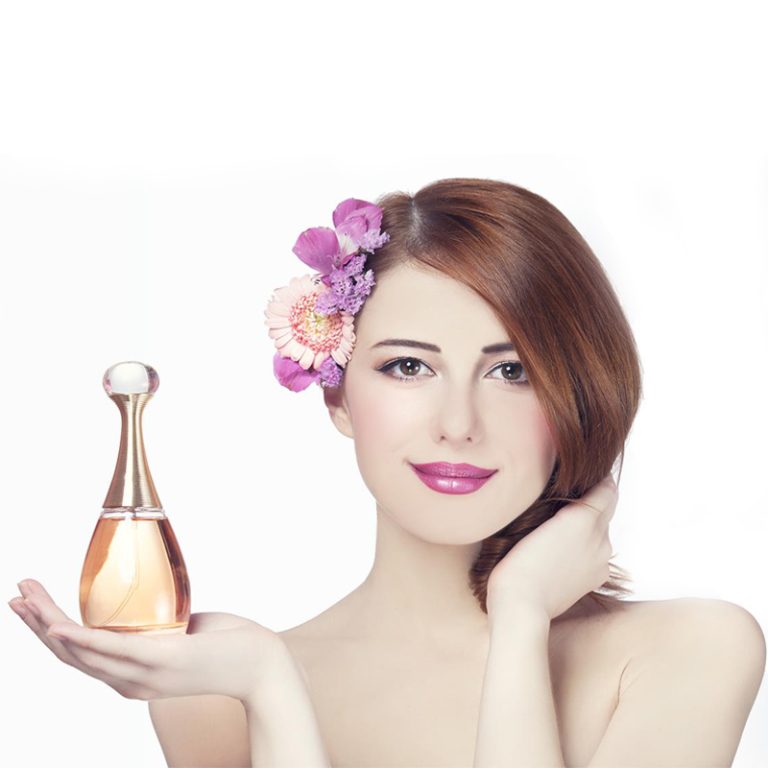


An AI-generated bottle can look ready for launch before the product brief is finished. The color is right, the cap feels premium, and the logo sits perfectly on the front. Then the sourcing team asks: What is the capacity? Which material will work? Can the shape be molded, filled, decorated, packed, and shipped at the required quantity?
For buyers sourcing custom cosmetic packaging, the image is a starting point—not a production specification. A qualified cosmetic packaging manufacturer must convert visual intent into dimensions, components, tooling decisions, samples, and a realistic quotation.
What AI Packaging Design Can and Cannot Define
A Strong Visual Brief
AI packaging design can communicate the silhouette, color direction, finish, cap proportion, logo position, and market position. That gives purchasing, marketing, and product teams a shared direction before contacting a supplier.
The image cannot confirm internal volume, neck size, sealing surfaces, component tolerances, or usable decoration area. It may also hide the base, shoulder, or parting line.
Information Needed for a Feasibility Review
A useful brief should include:
- Product category, formula type, and target capacity
- Approximate dimensions, materials, and components
- Color, artwork, and surface finish
- Quantity, destination market, and launch schedule
These details separate stock-package customization from new structural development.
Turn the Concept into a Production Brief
Confirm Capacity, Proportion, and Stability
Some AI-generated concepts use a narrow base, oversized cap, or angled body. The finished package still needs to stand securely, move through filling equipment, and fit a practical carton.
Capacity can change the proportions. A slim 50 ml bottle may need more height or width. Buyers should decide which visual details are essential and which can shift during engineering.
Review the Complete Packaging System
Custom cosmetic bottles are assembled systems. A perfume package includes the bottle, neck, sprayer, collar, and cap. Lip gloss packaging depends on the opening, wiper, stem, applicator, chamber, and closure.
The outside shape attracts attention, but the hidden parts control sealing, formula pickup, opening force, and everyday use.
Check Manufacturability Before Tooling
Mold Geometry and Part Release
Plastic parts need workable wall thickness, draft, radii, and parting lines. Deep recesses, sharp transitions, heavy texture, and undercuts may require a design change or a more complex mold.
Tolerances, Fit, and Assembly
A small dimensional difference can affect cap alignment, sprayer attachment, sealing, applicator movement, or leakage. The bottle and components should be checked as one package, with key interfaces defined in the technical drawing.
Place Artwork on the Real Surface
A flat logo may look centered in an AI image while crossing a curved shoulder on the physical bottle. Screen printing, hot stamping, coating, and labels each need a suitable area.
Moving the artwork by a few millimeters is cheaper than finding the problem after a mold, screen, or stamping die has been completed.
Two Product Scenarios for AI Packaging Development
Custom Perfume Bottles: Start with the Neck
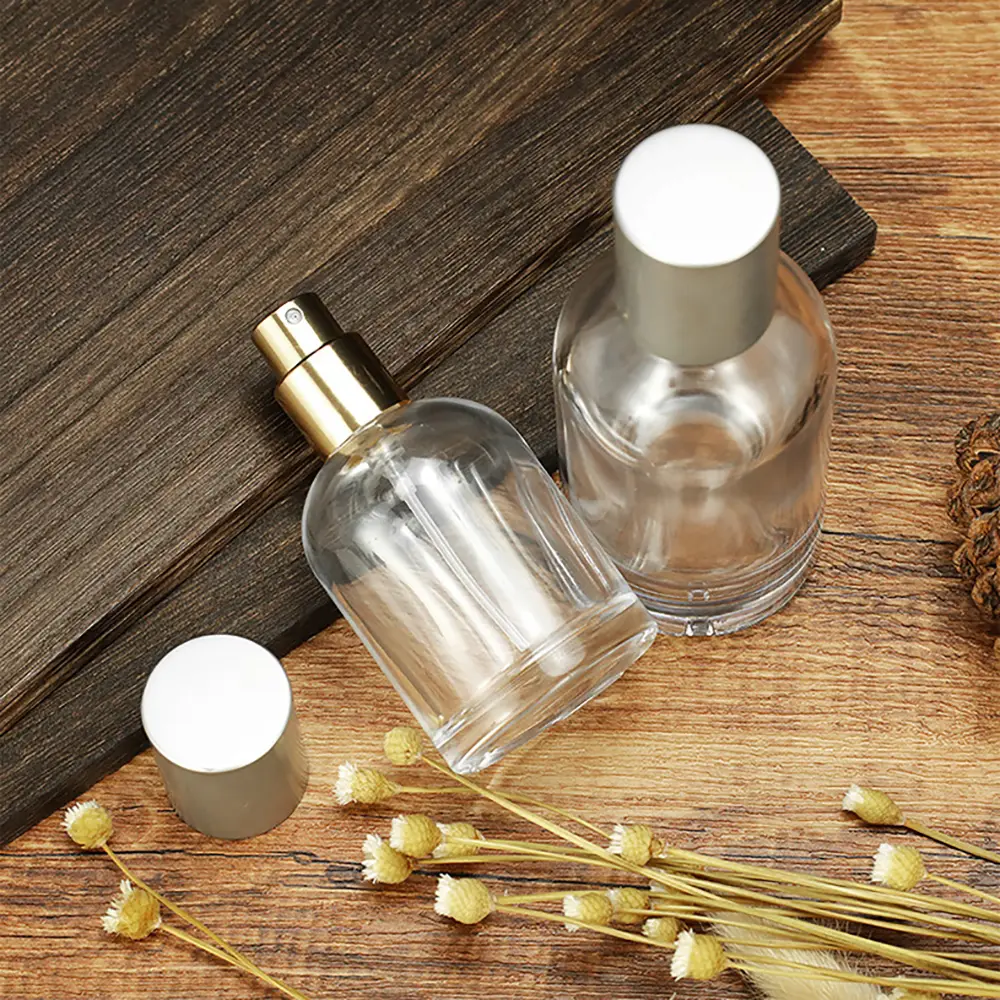
A perfume concept should be reviewed from the neck outward. The neck determines the spray fitting, while the collar and cap must match the system and remain aligned.
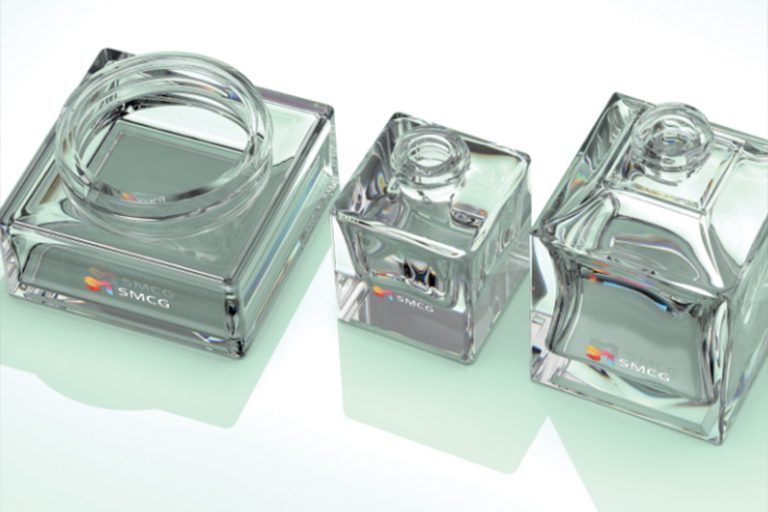
Jaunce industrial offers a round glass perfume bottle family in 30 ml, 50 ml, and 100 ml capacities. The series uses a 15 mm neck and supports mist-spray and cap fittings, customized colors, surface decoration, and OEM/ODM projects. Its general MOQ is 5,000 pieces, while customized production starts at 10,000 pieces. Final terms depend on the selected components and finish.
An existing structure may suit a concept based on color, cap styling, or decoration. A proprietary profile or different neck system requires separate drawings, tooling, and samples.
Dual-End Lip Gloss Packaging: Hidden Parts Matter
An AI image of a lip gloss tube usually focuses on the outside. The buyer still needs to review the wiper, applicator, stem length, chamber layout, closing feel, and formula pickup.
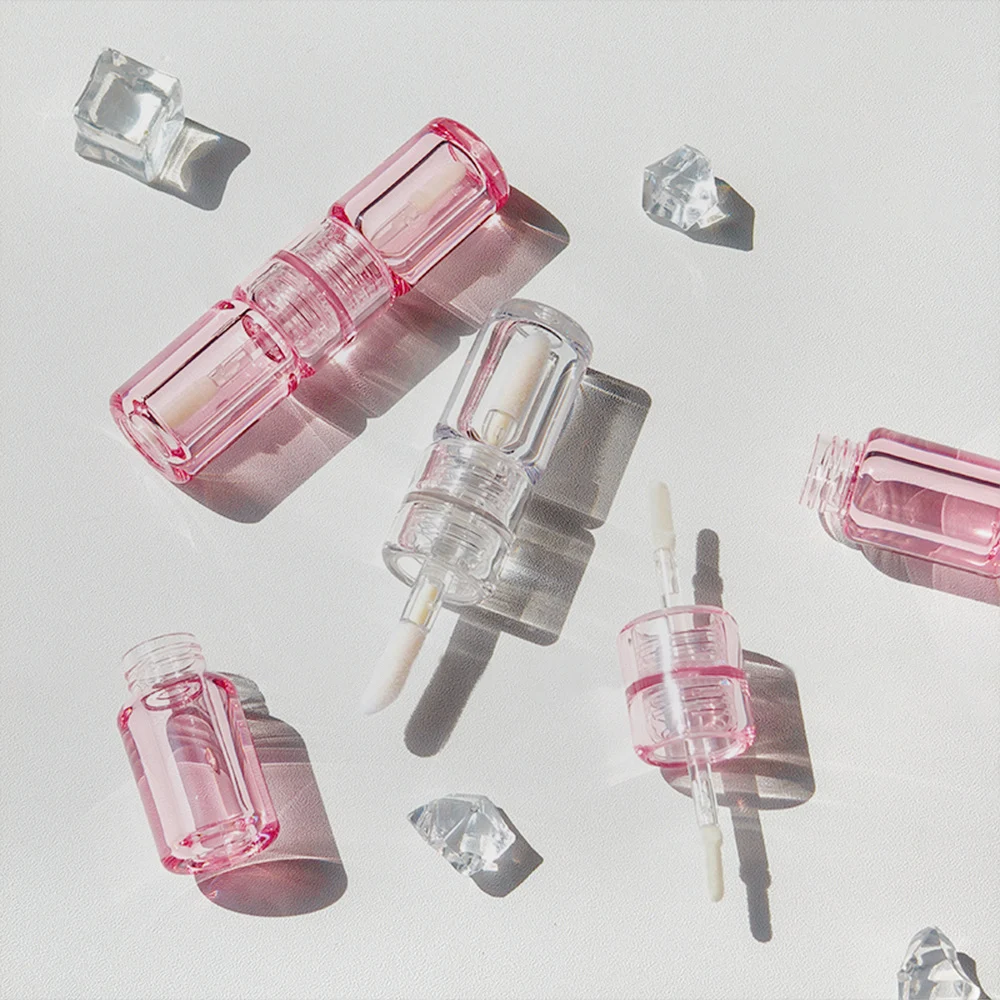
Jaunce industrial’s dual-end lip gloss tube uses ABS and AS components and offers 4.2 ml, 5.4 ml, and 6.7 ml capacity options. Its size is 25 × 25 × 98 mm. The model supports Pantone color customization, screen printing, hot stamping, matte finishing, OEM/ODM, and a 10,000-piece MOQ.
This is why production-ready custom cosmetic packaging must be reviewed beyond the visible shell.
Stock Packaging or a New Custom Bottle Mold?
Use an Existing Structure When Speed Matters
Stock packaging can shorten development because the core bottle or tube already exists. Custom color, coating, printing, hot stamping, or a different cap can still create a distinctive line.
Develop New Tooling for Structural Difference
A new custom bottle mold may be needed for a proprietary silhouette, unusual dimensions, embossing, a custom closure, or new internal parts.
| Sourcing route | Best fit | Main buyer considerations |
| Existing package with customization | Faster launch or lower development risk | Shape, components, decoration, MOQ |
| New mold development | Proprietary structure or dimensions | Tooling, samples, tolerances, MOQ, lead time |
There is no universal tooling cost, MOQ, or lead time for custom cosmetic bottles. Buyers should compare the complete package, not only the plain container price.
From AI Concept to Approved Sample
A practical development sequence is:
- Submit the concept image and commercial brief.
- Confirm capacity, dimensions, materials, and components.
- Check whether an existing package can be adapted.
- Prepare and approve drawings or tooling samples.
- Test fit, filling, dispensing, stability, and decoration.
- Sign off a physical pre-production sample.
The physical sample shows balance, cap alignment, operation, color, and surface quality in a way no rendering can.
What to Send a Cosmetic Packaging Manufacturer
Provide the concept image, product type, formula, capacity, dimensions, material preference, required components, vector artwork, Pantone references, quantity, destination market, and delivery target.
The custom cosmetic packaging supplier checklist can help purchasing teams organize sampling, customization, MOQ, quality control, and bulk-production questions.
Working with Jaunce industrial
Jaunce industrial supports glass, plastic, and aluminum cosmetic packaging. Its custom packaging development services include design support, mold development, injection molding, process treatment, and QC inspection.
The goal is to confirm whether an AI concept can use an existing structure, which details need adjustment, and whether new tooling is commercially justified.
Conclusion
AI packaging design can speed up visual development, but production still depends on dimensions, materials, component fit, moldability, filling requirements, MOQ, and physical sample approval. Good custom cosmetic packaging keeps the brand idea while solving the details that make it manufacturable.
Submit the concept image, product type, target capacity, preferred material, quantity, and launch schedule to Jaunce industrial for a feasibility review and project-specific quotation.
FAQ
Q1: Can a cosmetic packaging manufacturer quote from an AI-generated image?
A: An initial estimate may be possible, but accurate pricing also requires dimensions, materials, components, decoration, quantity, and tooling scope.
Q2: When do custom cosmetic bottles require a new mold?
A: New tooling may be needed for a proprietary shape, unusual dimensions, embossing, custom internal parts, or a closure that cannot use an existing package.
Q3: Can a stock cosmetic bottle be customized to match an AI design?
A: Yes. Color, coating, cap styling, screen printing, hot stamping, and other finishes can change an existing structure.
Q4: How does new mold development affect MOQ, tooling cost, and lead time?
A: Mold complexity, material, component count, cavity design, sample rounds, and order quantity all affect project terms.
Q5: What files are needed for a custom cosmetic packaging quotation?
A: Send the concept image, capacity, dimensions, material preference, component requirements, vector artwork, color references, quantity, destination market, and delivery date.