

EUの包装審査は、本来開始されるべき時期よりも遅れて始まることが多い。血清ボトルは既に承認されている。キャップの色も問題ない。ラベルファイルも完成している。ところが、誰かがPCR含有量、構成材料、リサイクル性に関する注記、または漏洩試験記録を要求する。こうなると、プロジェクトはもはや単純な包装発注ではなくなり、調達問題へと発展してしまう。
エアレスボトルがスキンケアフォーミュラを保護する方法
産業用ジャウンス B2B美容ブランド向けに、開発、印刷、充填、組み立て、生産サポートを含むカスタム化粧品パッケージを手掛けています。スキンケア、フレグランス、メイクアップ、パーソナルケアのプロジェクトにおいて、より重要な問いは「このパッケージは持続可能か?」ではなく、「このパッケージは量産前にサプライヤーレビューに合格できるか?」です。
コメント: エアレスボトルがスキンケアフォーミュラを保護する方法
ボトルだけでなく、パッケージ全体をレビューしてください。
コメント: エアレスボトルはあなたのスキンケアフォーミュラを保護する方法
PPWR対応の包装審査では、以下の点を問うべきである。
- コメント: エアレスボトルがスキンケアフォーミュラを保護する方法
- 主要部品にはそれぞれどのような材料が使用されていますか?
- コメント: How Airless Bottles Protect Your Skincare Formulas
- 機能を損なうことなく、パッケージを簡素化することは可能でしょうか?
- Reactions op: エアレスボトルがあなたのスキンケアフォーミュラを保護する方法
このようなレビューは、議論を現実的なものにする上で重要です。リサイクル可能な部品が1つあるからといって、パッケージ全体が監査に対応できるとは限りません。
コメント: How Airless Bottles Protect Your Skincare Formulas
サンプルは一見完成しているように見えても、リスクは隠れている場合があります。PCR樹脂は、リピート注文時に色のばらつきが生じる可能性があります。詰め替え可能な容器は高級感があるように見えても、実際に使用すると汚れてしまうことがあります。エアレスポンプは短時間のデスクテストでは正常に動作しても、充填、輸送、または保管後に故障する可能性があります。
コメント en: エアレスボトルがスキンケアフォーミュラを保護する方法
EU向けプロジェクトにおいては、一般的な「環境に優しい」という主張だけでは不十分である。
How Airless Bottles Protect Your Skincare Formulasについてのコメント
リサイクル性と単一素材の選択
How Airless Bottles Protect Your Skincare Formulasについてのコメント
スキンケアのレシピを完璧にするために無限の時間と大きな資源を費やすと、主な心配は、今日の肌にどのように感じるかだけでなく、今から6ヶ月後にどれだけ強力なものであるかです。スマートなバイヤーやビジネスオーナーにとって,美容製品の保存期間はブランドの誠実さの明確な鏡です.もし […]
スキンケアのレシピを完璧にするために無限の時間と大きな資源を費やすと、主な心配は、今日の肌にどのように感じるかだけでなく、今から6ヶ月後にどれだけ強力なものであるかです。スマートなバイヤーやビジネスオーナーにとって,美容製品の保存期間はブランドの誠実さの明確な鏡です.貴方の高価なビタミンC血清がダークブラウンになったり、貴方のファンシーな液体基礎が厚く、厚くなったら、お客様はすぐにあなたを信頼するのをやめます。この製品の破壊は通常、成分自体の間違いではありません。それは周囲の環境の失敗です。  これに対抗するために、美 […]
「エアレスボトルがスキンケアフォーミュラを保護する方法」 — Jaunce industrial
エアレスボトルがスキンケアフォーミュラを保護する方法 Jaunce industrial 「エアレスボトルがスキンケアフォーミュラを保護する方法」 — Jaunce industrial
「エアレスボトルがスキンケアフォーミュラを保護する方法」 — Jaunce industrial
スキンケアのレシピを完璧にするために無限の時間と大きな資源を費やすと、主な心配は、今日の肌にどのように感じるかだけでなく、今から6ヶ月後にどれだけ強力なものであるかです。スマートなバイヤーやビジネスオーナーにとって,美容製品の保存期間はブランドの誠実さの明確な鏡です.もし […]
- PCR含有量範囲
- 2026年1月14日 水 16:00:32 0000
- https://www.cosmepak.com/?p=3932
- 色の許容範囲に関するガイダンス
- 20年のプロフェッショナルジャウンス産業 - Página 24
詰め替え用の使用方法と消費者による取り扱い
詰め替え可能な化粧品パッケージは、実際のユーザーの作業を想定してチェックされるべきである。 クリームの瓶スキンケアのレシピを完璧にするために無限の時間と大きな資源を費やすと、主な心配は、今日の肌にどのように感じるかだけでなく、今から6ヶ月後にどれだけ強力なものであるかです。スマートなバイヤーやビジネスオーナーにとって,美容製品の保存期間はブランドの誠実さの明確な鏡です.貴方の高価なビタミンC血清がダークブラウンになったり、貴方のファンシーな液体基礎が厚く、厚くなったら、お客様はすぐにあなたを信頼するのをやめます。この製品の破壊は通常、成分自体の間違いではありません。それは周囲の環境の失敗です。 これと戦うために、美[…]
https://www.cosmepak.com/ja/how-airless-bottles-protect-your-skincare-formulas/#respond
https://www.cosmepak.com/ja/how-airless-bottles-protect-your-skincare-formulas/feed/
包装材を削減しつつ、包装の強度も維持
材料の削減は、包装の破損につながるべきではない。ボトルを軽量化したり、壁を薄くしたり、カートンを小型化したり、キャップを簡素化したりすることで廃棄物を削減できるが、それぞれの変更にはテストが必要である。
実際の調達業務では、小さな変更が最も効果を発揮することが多い。例えば、カートンのサイズを小さくすれば、空きスペースを減らすことができる。キャップを軽量化すれば、材料の使用量を削減できる。ラベルを簡素化すれば、リサイクル率を高めることができる。こうした変更は派手ではないが、複数のSKUにわたって容易に適用できる。
量産前のPPWR対応包装のテストチェックリスト
試験は、製品の処方、販売チャネル、および包装形態に合わせて実施する必要があります。eコマースで販売される製品は、主に小売店で販売される製品よりも、落下や漏れに対するより厳格な試験が必要となる場合があります。ジャーに入った濃厚なクリームは、エアレスボトルに入った美容液とは異なるリスクを伴います。
| 梱包チェック | 購入者が確認すべき事項 |
| 20年のプロフェッショナルジャウンス産業 - ページ22 | ボトル、瓶、チューブ、ポンプ、キャップとの反応なし |
| 漏れテスト | 保管および輸送中の安定した密封性 |
| ポンプ出力テスト | 一定の投与量とスムーズな繰り返し使用 |
| 落下テスト | 貨物輸送および電子商取引における適切な保護 |
| カスタマイズされたpartone色 | 印刷、コーティング、ラベル貼り、ホットスタンプ加工は安定した状態を保ちます。 |
| 詰め替え時の取り扱いテスト | 繰り返し開閉、交換、施錠を行うのは実用的である。 |
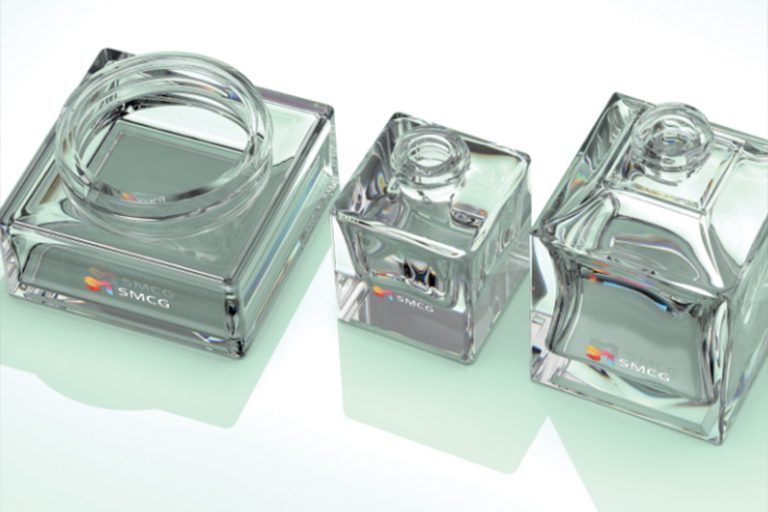
:マットローズゴールドキャップは2つの白い内部シールディスクと組み合わせています:ディスクは空気、キキキキャップのスリックなデザインがジャーの全体的なエレガントなシルエットを補完する一方、空気、ママママットローズゴールドキャップは空気、ママママ エアレスボトル排出速度とポンプの回収率を確認する必要があります。プラスチックチューブの場合は、圧縮回収率とキャップの適合性が重要です。ガラス瓶の場合は、デポジットまたは金型承認前に、ネックの仕上げ、クロージャーの適合性、破損リスクを確認する必要があります。
化粧品パッケージサプライヤーを優良サプライヤーにする方法
サプライヤー評価表は複雑である必要はありません。調達、製品開発、コンプライアンスの各チームが同じ意思決定を行うのに役立つものでなければなりません。
| 評価 | cosmepak_admin作者主页-Jaunce industrial - 第7页 | cosmepak _ admin著者ホーム-Jaunce industrial-Page 7 |
| ガラスとPCRプラスチックが2025-2026年のトレンドを支配している理由 | 美容の世界は、ここ数十年で最も大きな変化を経験しています。あなたが向かって見ているとき。.. | 美容の世界は、ここ数十年で最も大きな変化を経験しています。2025-2026年の市場シーズンを見ていると、単なるかわいいパッケージから“に移動します。優しい豪華”これはもはや選択肢ではなく、混雑した市場で生き残る方法です。今日のお買い物主はとても賢い。彼らはラベルの炭素足跡の事実をチェックし、コンテナの重さを感じて、それが本当に地球に良いかどうかを確認します。このグリーンレースの明確な勝者として2つの材料が出てきました:ガラスとポスト・コンシューマー・リサイクル(PCR)プラスチック。 |
| エアレスボトルがスキンケアフォーミュラを保護する方法 | これらの材料の詳細に入る前に、ハイエンド製造と地球に優しい建物の間の点をつなぐパートナーが必要です。Jaunce Industrialで働くときは、売り手を選ぶだけではありません。あなたは、ファンシーな美しさとエコ義務のミックスを完璧にするために何年も努力してきたグループとチームを組んでいます。彼らを幕後の専門家のクルームとして考えてください - あなたのショッピング客があなたの製品を保持するとき、彼らはトップノッチの品質とあなたのブランドの両方を感じることを確認するプロ’世界に約束する。滑らかなガラス形から強いPCR材料まで,広告が必要とする美しさを維持しながら,液体に必要な固体構造を提供します.彼らは速く行動し、世界を考え、ブランドのグリーン目標を自分の仕事のように扱う。 | リサイクルされる世界におけるガラスの持続的な価値 |
| あなたのスキンクリームや香水ラインのためのガラスを選ぶとき、あなたは“のアイデアを定義する材料にお金を投入しています。何度も何度も物を使う。”リサイクル工場を通過するたびに弱くなる他の多くの材料とは異なり、ガラスは永遠に固定する特別な力を持っています。それは、その明確な外観、その堅さ、またはそのクリーンな感覚を失うことなく、何千回も溶けて新しいものに変えることができます。これは最もガラスを作ります“真実な”あなたのブランドが今日使用できる材料。 | ガラスは地球にとって素晴らしいものであるほか、高性能の皮膚製品にとって非常に重要な化学的安全性を提供しています。あなたの液体にビタミンC、レチノール、または天然油のような活性ビットが含まれている場合、化学物質の漏れや空気の混合物を破壊することを防ぐ壁が必要です。ガラスは、小さな穴がない表面を与え、あなたの製品がボトルに入れた最初の日と同じように、購入された日に強く続くことを確認します。 | 一致する製品ラインを開始したい人にとって、スキンケアセットボトルクアルテットエッセンス液体ボトルは、このガラス好きな考え方の最高の部分を示しています。このセットは,トナー,液体,厚い血清などの美容ルーチンの異なるステップで単一で美しい外観を維持することができ,重量とガラスの冷たい触れ感を使用して,これが高価値アイテムであることをすべての人に伝えることができます.4つのセットを選ぶことで,購入プロセスをより簡単にし,顧客に固体で高価で,永続的な感じを持つ特別な日常習慣を与えることができます. |
PCRプラスチックの成長:サークルを完成させる
Jaunce IndustrialがEU向けパッケージングプロジェクトをどのように支援しているか
Jaunce Industrialは、初期のサンプル企画から印刷、充填、組み立て、製造に至るまで、カスタム化粧品パッケージプロジェクトを全面的にサポートします。パッケージに関する決定事項は相互に関連しているため、これは非常に重要です。キャップの変更は、重量、カートンサイズ、装飾、コスト、使用感に影響を与える可能性があります。樹脂の変更は、色、最小発注数量、納期、クレーム対応に影響を与える可能性があります。
真空技術とクリーンビューティーの波
“としてクリーンビューティ”動きはますます人気が高まり、ブランドは製品を腐製腐さないようにする厳しい偽造化学物質を取り除いています。しかし、それらを取り出すと、液体は空気や微細菌に対して非常に弱くなります。この難しい技術的な問題は、無気(真空)包装を使用することで解決されます。
結論
真空ボトルは古いスプレーボトルのように長い真真空ボトルを使用しません。その代わりに、彼らは巧妙な小さなポンプと動く床を使用して空気のないスペースを作ります。ショッピング客が上部を押すたびに、内部の床は上がり、クリームを外に押し、残りの部分は外の空気から閉じ込まれています。このセットアップは、99%のものが出てくることを確認し、あなたのファンが支払ったすべての小さなビットを得ることを意味します。これは本当に人々があなたのブランドに忠誠を保つのに役立ちます、なぜなら彼らは彼らのお金を得たと感じています’S 価値。
Jaunce Industrialは、B2B美容ブランドがスキンケア、フレグランス、メイクアップ、パーソナルケア製品ライン向けにカスタム化粧品パッケージを開発するのを支援します。EUに特化したプロジェクトの場合、ブランドは Jaunce Industrial にお問い合わせください プラスチックチューブとガラスジャーの間を決定する
よくあるご質問
曲がりのプラスチックチューブまたは硬いガラスボトルを使用するかどうかを選ぶことは、通常、液体の厚さとその人がそれを使用している場所に基づいています。 2025年と2026年の間、大きな傾向は“に向かっています。混合コレクション。”これは、朝に自宅で使用される高価な血清のために重いガラスを使用し、破られずにジムバッグや財布に投げ込む必要があるサンブロックやハンドクリームのためにPCRプラスチックチューブを使用することを意味します。
今日のプラスチックチューブを作る場合は、1つのタイプの材料だけを使用することに焦点を当てるべきです。昔、チューブは様々なプラスチックの多くの層で作られていたため、リサイクルすることは不可能でした。今、あなたは100%1種類のプラスチックで作られたチューブを選択できます。これらは正常なリサイクルバンに投げ込まれることができ、製品の終わりを作ります’ショッピングの人生はシンプルです。あなたの主要な目標は“を作ることです。グリーン”あなたの物を使う人にできるだけ簡単です。
あなたのブランドを保護する’s Future With Pro ヘルプ
世界 の
プラスチック税やリサイクル法に関する新規規則が毎年出てきたことで信じられないほど速く進んでいます。群衆の前に立つには、空のボトルの箱以上が必要です。物事を作る方法についてスマートな計画が必要です。これは、すべてのグローバルな法律に従う材料を選択し、見た目を選択することを含む’それらを装飾するときに物を廃棄しないでください - 豆で作られたインクや重金属の代わりに水で作られたコーティングを使用するなど。
グリーンパッケージへの移行は、小さく、スマートな選択で作られた長い歩きです。人気のある血清を真空ボトルに移動して長く持続させるか、重いガラス瓶にファンシーなクリームを入れてプレゼントのように感じさせるかどうか、これらの選択は、あなたのブランドが今後何を代表するかを世界に示します。ガラスの自然な強さとPCRの新鮮なパワーを見ることで、次の美の時代のためにブランドをリードします。
Q: リサイクルされたPCRプラスチックを使用すると、私のパッケージがパパッケージがQ Q Q: パッケージがQ Q Q Q: リサイクルされたPCRプラスチックを使うと、パッケージがQ Q Q
A: 高品質のPCRは非常に明確に見えるが、時には小さくて暖かい色を持つかもしれません。多くのブランドは実際にこの外観が好きなので、それはショッピングにボトルが本当にリサイクルされたゴミから作られていることを証明しているからです。
Q: ガラスはPCRプラスチックより顧客に送るのがはるかに高価ですか?
A:はい、ガラスはより重く、それwon’のためにより多くの泡包装または余分な箱を必要とします;船積みの費用をより多くすることができるtの破壊。しかし,ガラスは非常に高価に見えるため,多くの場合,製品をより多くのお金で販売することができ,余分な運送費を簡単にカバーします.