

https://www.cosmepak.com/vi/how-airless-bottles-protect-your-skincare-formulas/
无气瓶子如何保护您的皮肤配方
Jaunce công nghiệp Chúng tôi hợp tác với các thương hiệu mỹ phẩm B2B trong lĩnh vực thiết kế bao bì mỹ phẩm theo yêu cầu, bao gồm phát triển, in ấn, chiết rót, lắp ráp và hỗ trợ sản xuất. Đối với các dự án chăm sóc da, nước hoa, trang điểm và chăm sóc cá nhân, câu hỏi quan trọng hơn không phải là “Bao bì này có bền vững không?” mà là “Bao bì này có vượt qua được khâu kiểm duyệt của nhà cung cấp trước khi sản xuất hàng loạt không?”
Bình luận về: Cách chai không khí bảo vệ các công thức chăm sóc da của bạn
Hãy xem xét toàn bộ bộ sản phẩm, không chỉ riêng chai rượu.
Bình luận: Cách chai không khí bảo vệ các công thức chăm sóc da của bạn
Một bài đánh giá bao bì đáp ứng tiêu chuẩn PPWR cần đặt ra các câu hỏi sau:
- Bình luận về: Cách chai không khí bảo vệ các công thức chăm sóc da của bạn
- Mỗi bộ phận chính được làm từ vật liệu gì?
- Bình luận về: Cách chai không khí bảo vệ các công thức chăm sóc da của bạn
- Liệu có thể đơn giản hóa gói phần mềm mà không ảnh hưởng đến chức năng của nó không?
- Reactions op: Cách chai không khí bảo vệ các công thức chăm sóc da của bạn
Loại đánh giá này giúp cuộc thảo luận bám sát thực tế. Một thành phần có thể tái chế không làm cho toàn bộ bao bì đáp ứng tiêu chuẩn kiểm định.
Bình luận trên: Cách chai không khí bảo vệ công thức chăm sóc da của bạn
Mẫu thử có thể trông hoàn thiện trong khi rủi ro vẫn còn tiềm ẩn. Nhựa PCR có thể gây ra sự biến đổi màu sắc trong các đơn hàng lặp lại. Lọ đựng có thể tái sử dụng có vẻ cao cấp nhưng lại dễ bị lem luốc sau khi sử dụng thực tế. Bơm không khí có thể hoạt động tốt trong thử nghiệm ngắn trên bàn làm việc nhưng vẫn có thể hỏng sau khi đổ đầy, vận chuyển hoặc bảo quản.
Commentos en: Làm thế nào Chai không khí bảo vệ công thức chăm sóc da của bạn
Những tuyên bố chung chung về "thân thiện với môi trường" không nên là đủ đối với các dự án hướng tới thị trường EU.
Lời bài hát: How Airless Bottles Protect Your Skincare Formulas
Khả năng tái chế và lựa chọn vật liệu đơn chất
Lời bài hát: How Airless Bottles Protect Your Skincare Formulas
Khi bạn dành nhiều giờ và nguồn lực đáng kể để hoàn hảo công thức chăm sóc da, mối lo ngại chính của bạn không chỉ là cảm giác của nó trên da hôm nay, mà còn là sức mạnh của nó trong sáu tháng tới. Đối với người mua thông minh và chủ doanh nghiệp, thời gian sử dụng của một sản phẩm làm đẹp là một tấm gương rõ ràng của sự trung thực của thương hiệu. Nếu […]
Khi bạn dành nhiều giờ và nguồn lực đáng kể để hoàn hảo công thức chăm sóc da, mối lo ngại chính của bạn không chỉ là cảm giác của nó trên da hôm nay, mà còn là sức mạnh của nó trong sáu tháng tới. Đối với người mua thông minh và chủ doanh nghiệp, thời gian sử dụng của một sản phẩm làm đẹp là một tấm gương rõ ràng của sự trung thực của thương hiệu. Nếu huyết thanh Vitamin C đắt tiền của bạn biến thành màu nâu tối hoặc nền tảng lỏng ưa thích của bạn trở nên dày và mập, khách hàng của bạn sẽ ngừng tin tưởng bạn ngay lập tức. Việc hủy hoại sản phẩm này thường không phải là một sai lầm trong chính các thành phần; Thay vào đó, nó là một sự thất bại của môi trường xung quanh họ. Để chống lại điều này, vẻ đẹp […]
Cách chai không khí bảo vệ các công thức chăm sóc da của bạn Jaunce công nghiệp
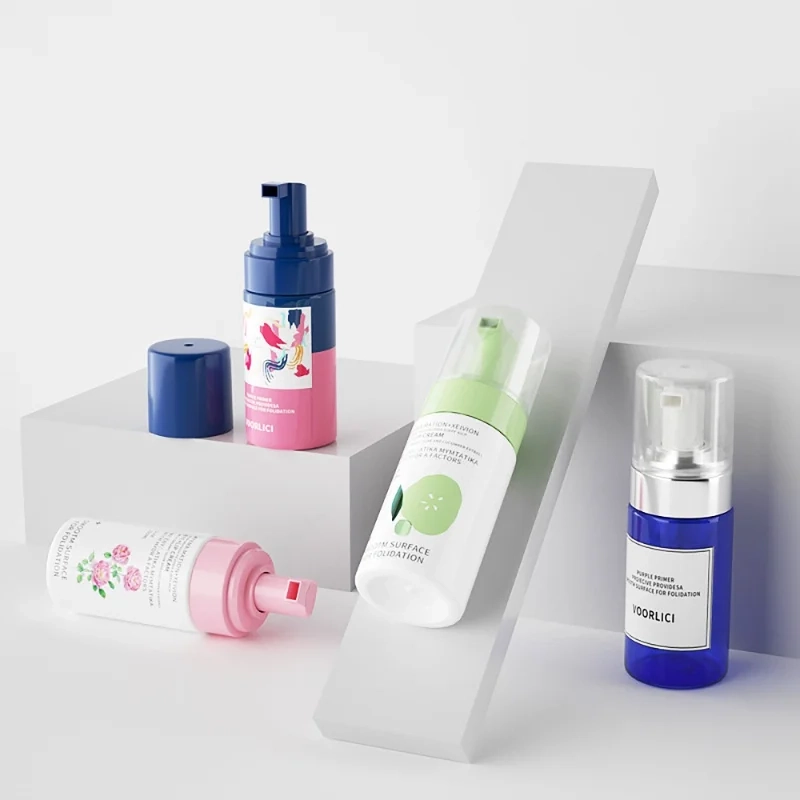
Cách chai không khí bảo vệ các công thức chăm sóc da của bạn Jaunce công nghiệp Cách chai không khí bảo vệ các công thức chăm sóc da của bạn Jaunce công nghiệp
Cách chai không khí bảo vệ các công thức chăm sóc da của bạn Jaunce công nghiệp
Khi bạn dành nhiều giờ và nguồn lực đáng kể để hoàn hảo công thức chăm sóc da, mối lo ngại chính của bạn không chỉ là cảm giác của nó trên da hôm nay, mà còn là sức mạnh của nó trong sáu tháng tới. Đối với người mua thông minh và chủ doanh nghiệp, thời gian sử dụng của một sản phẩm làm đẹp là một tấm gương rõ ràng của sự trung thực của thương hiệu. Nếu […]
- Phạm vi nội dung PCR
- Thứ tư, 14 tháng 1 năm 2026 16:00:32 0000
- https://www.cosmepak.com/?p=3932
- Hướng dẫn về dung sai màu
- 20 năm chuyên nghiệp Jaunce công nghiệp - Página 24
Hướng dẫn sử dụng và cách bảo quản cho người tiêu dùng
Bao bì mỹ phẩm có thể tái sử dụng cần được kiểm tra như một nhiệm vụ thực tế của người dùng. Lọ kemKhi bạn dành nhiều giờ và nguồn lực đáng kể để hoàn hảo công thức chăm sóc da, mối lo ngại chính của bạn không chỉ là cảm giác của nó trên da hôm nay, mà còn là sức mạnh của nó trong sáu tháng tới. Đối với người mua thông minh và chủ doanh nghiệp, thời gian sử dụng của một sản phẩm làm đẹp là một tấm gương rõ ràng của sự trung thực của thương hiệu. Nếu huyết thanh Vitamin C đắt tiền của bạn biến thành màu nâu tối hoặc nền tảng lỏng ưa thích của bạn trở nên dày và mập, khách hàng của bạn sẽ ngừng tin tưởng bạn ngay lập tức. Việc hủy hoại sản phẩm này thường không phải là một sai lầm trong chính các thành phần; Thay vào đó, nó là một sự thất bại của môi trường xung quanh họ. Để chống lại điều này, vẻ đẹp […]
Việc kiểm tra bao bì nạp lại cần xem xét cách tháo phần bên trong, liệu tay có chạm vào khu vực chứa sữa công thức hay không, độ chắc chắn của khớp nối, và liệu bao bì bên ngoài có giữ được sạch sẽ sau nhiều lần sử dụng hay không. Bao bì nạp lại cũng cần nhẹ hơn hoặc đơn giản hơn đáng kể so với bao bì đầy đủ. Nếu không, giá trị bền vững có thể bị suy giảm.
Đối với các sản phẩm chăm sóc da và nước hoa cao cấp, hệ thống đóng gói lại cũng phải bảo vệ hình ảnh thương hiệu. Một hộp đựng sản phẩm thay thế có cảm giác rẻ tiền, lỏng lẻo hoặc khó sử dụng có thể làm giảm trải nghiệm mua sản phẩm.
Giảm thiểu vật liệu mà vẫn đảm bảo bao bì chất lượng.
Việc giảm thiểu vật liệu không nên dẫn đến bao bì dễ vỡ. Chai nhẹ hơn, thành chai mỏng hơn, hộp carton nhỏ hơn hoặc nắp chai đơn giản hơn có thể giúp giảm thiểu chất thải, nhưng mỗi thay đổi đều cần được thử nghiệm.
Trong công việc tìm nguồn cung ứng thực tế, những thay đổi nhỏ thường mang lại hiệu quả cao nhất. Hộp carton vừa khít hơn có thể giảm khoảng trống. Nắp nhẹ hơn có thể giảm lượng vật liệu sử dụng. Nhãn đơn giản hơn có thể giúp ích cho việc tái chế. Những thay đổi này không hào nhoáng, nhưng chúng dễ dàng áp dụng cho nhiều SKU khác nhau.
Danh sách kiểm tra chất lượng bao bì PPWR-Ready trước khi sản xuất hàng loạt
Việc thử nghiệm cần phù hợp với công thức, kênh bán hàng và định dạng bao bì. Một sản phẩm bán qua thương mại điện tử có thể cần được kiểm tra độ bền khi rơi vỡ và rò rỉ kỹ lưỡng hơn so với sản phẩm chủ yếu bán lẻ. Một loại kem đặc trong hũ có những rủi ro khác với một loại serum trong chai kín khí.
| Kiểm tra bao bì | Những điều người mua cần xác nhận |
| 20 năm nghề nghiệp Jaunce công nghiệp - Trang 22 | Không có phản ứng với chai, lọ, tuýp, bơm hoặc nắp. |
| Kiểm tra rò rỉ | https://www.cosmepak.com/vi/how-airless-bottles-protect-your-skincare-formulas/#respond |
| https://www.cosmepak.com/vi/how-airless-bottles-protect-your-skincare-formulas/feed/ | Liều lượng ổn định và sử dụng lặp lại dễ dàng. |
| thử nghiệm rơi | Bảo vệ hợp lý cho việc vận chuyển hàng hóa và xử lý thương mại điện tử. |
| Bất kỳ màu sắc partone tùy chỉnh | Việc in ấn, phủ lớp, dán nhãn hoặc dập nổi vẫn giữ được độ ổn định. |
| Kiểm tra xử lý nạp lại | Việc mở, thay thế và khóa nhiều lần vẫn rất thiết thực. |
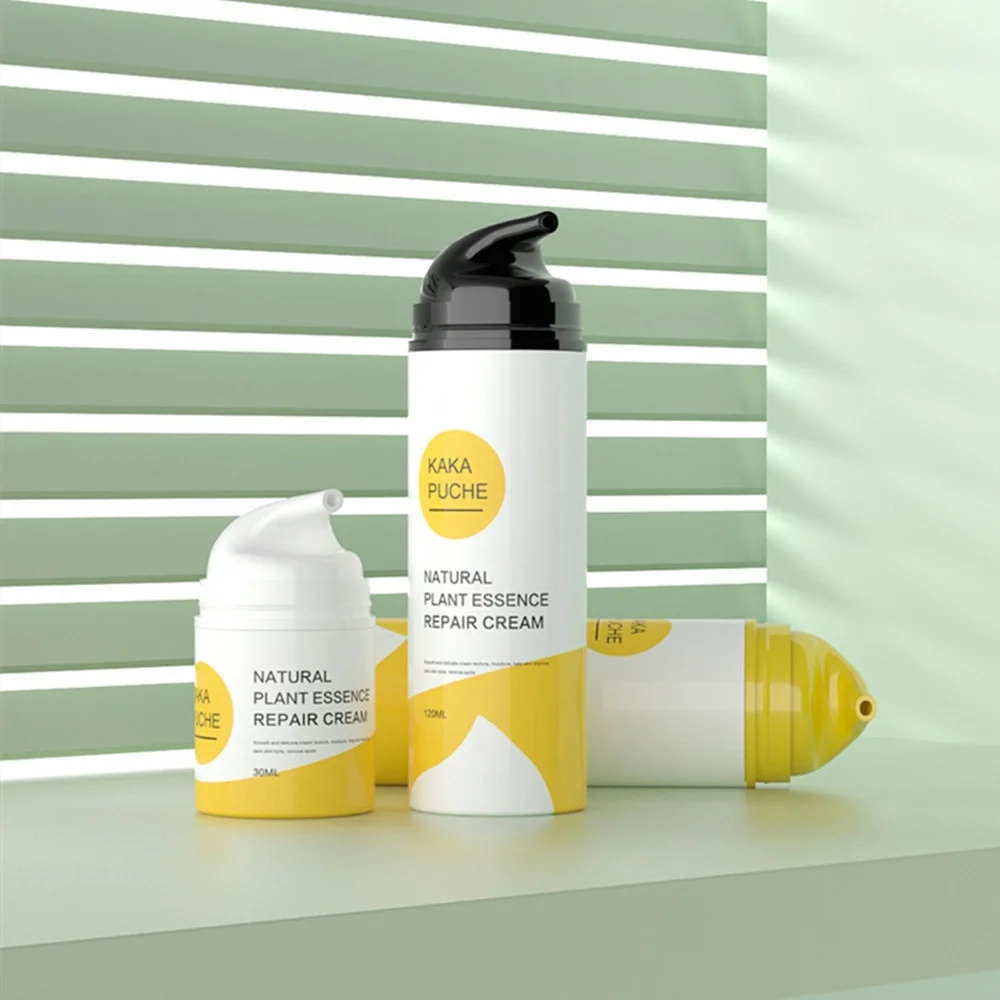
Mũ vàng hồng mờ kết hợp với hai đĩa niêm phong bên trong trắng: các đĩa tạo ra một rào cản bổ sung chống lại không khí, bụi và ô nhiễm, trong khi thiết kế thanh lịch của nắp bổ sung cho hình dáng thanh lịch tổng thể của lọ. chai không khíTốc độ hút chân không và khả năng thu hồi của bơm cần được xem xét. Đối với ống nhựa, khả năng thu hồi khi bóp và độ khít của nắp rất quan trọng. Đối với chai thủy tinh, cần kiểm tra độ hoàn thiện cổ chai, độ khớp của nắp và nguy cơ vỡ trước khi phê duyệt tiền đặt cọc hoặc dụng cụ.
Cách tìm nhà cung cấp bao bì mỹ phẩm
Bảng đánh giá nhà cung cấp không cần phải phức tạp. Nó nên giúp các nhóm mua sắm, phát triển sản phẩm và tuân thủ đưa ra cùng một quyết định.
| Xếp hạng | cosmepak_admin Trang chủ tác giả - Jaunce industrial - Trang 7 | cosmepak_admin Tác giả Trang chủ - Jaunce industrial - Page 7 |
| Tại sao thủy tinh và nhựa PCR đang thống trị xu hướng 2025-2026 | Thế giới vẻ đẹp hiện đang trải qua sự thay đổi lớn nhất trong nhiều thập kỷ qua. Khi bạn nhìn về phía .. | Thế giới vẻ đẹp hiện đang trải qua sự thay đổi lớn nhất trong nhiều thập kỷ qua. Khi bạn nhìn vào mùa thị trường 2025-2026, chuyển từ bao bì xinh đẹp đến “ loại sang trọng” Đó không còn là một lựa chọn nữa - đó là một cách để sống sót trong một thị trường đông đúc. Người mua sắm ngày nay rất thông minh. Họ kiểm tra nhãn cho các thực tế dấu chân carbon và cảm nhận trọng lượng của một thùng chứa để xem liệu nó thực sự tốt cho trái đất hay không. Hai vật liệu đã trở thành những người chiến thắng rõ ràng trong cuộc đua xanh này: Thủy tinh và nhựa tái chế sau khi tiêu dùng (PCR). |
| Cách chai không khí bảo vệ các công thức chăm sóc da của bạn | Trước khi chúng ta nhảy vào các chi tiết sâu sắc của các vật liệu này, bạn cần một đối tác kết nối các điểm giữa sản xuất cao cấp và xây dựng thân thiện với trái đất. Khi bạn làm việc với Jaunce Industrial, bạn không chỉ chọn một người bán; Bạn đang hợp tác với một nhóm đã dành nhiều năm làm việc chăm chỉ để hoàn hảo sự pha trộn của vẻ đẹp và nhiệm vụ sinh thái. Hãy nghĩ về họ như là đội ngũ chuyên gia hậu trường của bạn - những chuyên gia đảm bảo rằng khi người mua sắm của bạn giữ sản phẩm của bạn, họ cảm thấy cả chất lượng hàng đầu và thương hiệu của bạn ’ hứa với thế giới. Từ hình dạng kính mượt mà đến vật liệu PCR mạnh mẽ, chúng cung cấp sự xây dựng rắn mà chất lỏng của bạn cần trong khi giữ vẻ đẹp mà quảng cáo của bạn yêu cầu. Họ hành động nhanh chóng, suy nghĩ về toàn thế giới và đối xử với các mục tiêu xanh của thương hiệu của bạn như công việc của riêng họ. | Giá trị lâu dài của thủy tinh trong một thế giới tái chế |
| Khi bạn chọn kính cho kem da hoặc dòng nước hoa của bạn, bạn đang đặt tiền vào một vật liệu xác định ý tưởng của “ Sử dụng mọi thứ nhiều lần. ” Không giống như nhiều vật liệu khác yếu hơn hoặc xấu xí hơn mỗi khi chúng đi qua một nhà máy tái chế, kính có một sức mạnh đặc biệt để được cố định mãi mãi. Nó có thể tan chảy và biến thành một cái gì đó mới một ngàn lần mà không mất vẻ ngoài rõ ràng, độ cứng rắn hoặc cảm giác sạch sẽ của nó. Điều này làm cho kính nhiều nhất “ chân thật” vật liệu thương hiệu của bạn có thể sử dụng ngày hôm nay. | Ngoài việc tuyệt vời cho hành tinh, thủy tinh cung cấp an toàn hóa học siêu quan trọng cho các sản phẩm da hiệu suất cao. Nếu chất lỏng của bạn có các mảnh hoạt động như Vitamin C, Retinol hoặc dầu tự nhiên, bạn cần một bức tường ngăn chặn hóa chất rò rỉ hoặc không khí phá hủy hỗn hợp. Thủy tinh cung cấp cho bạn một bề mặt không có lỗ nhỏ, đảm bảo sản phẩm của bạn vẫn mạnh mẽ vào ngày nó được mua vì đó là ngày đầu tiên nó được đặt trong chai. | Đối với những người muốn bắt đầu một dòng sản phẩm phù hợp, Chai Chăm sóc da Set Quartet Essence Liquid Bottle cho thấy phần tốt nhất của cách suy nghĩ yêu kính này. Bộ này cho phép bạn giữ một cái nhìn duy nhất, đẹp trong các bước khác nhau của thói quen làm đẹp - như mực, chất lỏng và huyết thanh dày - trong khi sử dụng trọng lượng nặng và cảm giác mát mẻ của kính để nói với mọi người rằng đây là một mặt hàng có giá trị cao. Bằng cách chọn một bộ bốn, bạn làm cho quá trình mua hàng của bạn dễ dàng hơn nhiều và cung cấp cho khách hàng của bạn một thói quen hàng ngày đặc biệt cảm thấy vững chắc, đắt tiền và vĩnh viễn. |
Sự phát triển của nhựa PCR: Làm cho vòng tròn hoàn chỉnh
Cách Jaunce Industrial hỗ trợ các dự án bao bì tập trung vào EU
Công ty Jaunce Industrial hỗ trợ các dự án bao bì mỹ phẩm tùy chỉnh từ khâu lập mẫu ban đầu đến in ấn, chiết rót, lắp ráp và sản xuất. Điều này rất quan trọng vì các quyết định về bao bì đều có liên quan mật thiết với nhau. Việc thay đổi nắp có thể ảnh hưởng đến trọng lượng, kích thước thùng carton, trang trí, chi phí và cảm nhận của người dùng. Việc thay đổi chất liệu nhựa có thể ảnh hưởng đến màu sắc, số lượng đặt hàng tối thiểu (MOQ), thời gian giao hàng và khả năng bảo đảm quyền sở hữu trí tuệ.
Công nghệ chân không và sóng vẻ đẹp sạch
Như “ Làm đẹp sạch” phong trào ngày càng phổ biến hơn, các thương hiệu đang loại bỏ các hóa chất giả mạo khắc nghiệt giúp các sản phẩm không bị thối. Tuy nhiên, việc loại bỏ chúng làm cho chất lỏng rất yếu chống lại không khí và vi khuẩn nhỏ. Vấn đề kỹ thuật khó khăn này được giải quyết bằng cách sử dụng bao bì không khí (chân không).
Kết luận
Chai chân không không sử dụng một ống rơm dài như chai phun cũ. Thay vào đó, họ sử dụng một máy bơm nhỏ thông minh và một sàn di chuyển để tạo ra một không gian không có không khí. Mỗi lần người mua sắm đẩy đỉnh, tầng bên trong di chuyển lên, đẩy kem ra và giữ phần còn lại bị khóa ra khỏi không khí bên ngoài. Thiết lập này đảm bảo rằng 99% các thứ xuất hiện, có nghĩa là người hâm mộ của bạn nhận được mỗi phần nhỏ mà họ trả tiền. Điều này thực sự giúp mọi người trung thành với thương hiệu của bạn bởi vì họ cảm thấy họ có tiền của họ’ S giá trị.
Jaunce Industrial hỗ trợ các thương hiệu mỹ phẩm B2B phát triển bao bì mỹ phẩm tùy chỉnh cho các dòng sản phẩm chăm sóc da, nước hoa, trang điểm và chăm sóc cá nhân. Đối với các dự án tập trung vào thị trường EU, các thương hiệu có thể... Liên hệ Jaunce Industrial Quyết định giữa ống nhựa và lọ thủy tinh
Câu hỏi thường gặp
Chọn liệu sử dụng ống nhựa uốn cong hoặc chai thủy tinh cứng thường xuống đến độ dày của chất lỏng và nơi người đang sử dụng nó. Đối với những năm 2025 và 2026, xu hướng lớn đang chuyển sang “ Bộ sưu tập hỗn hợp. ” Điều này có nghĩa là sử dụng kính nặng cho huyết thanh đắt tiền được sử dụng ở nhà vào buổi sáng, và sử dụng ống nhựa PCR cho kem chống nắng hoặc kem tay cần được ném vào túi tập thể dục hoặc ví mà không bị phá vỡ.
Khi bạn tạo ra một ống nhựa ngày hôm nay, bạn nên tập trung vào việc sử dụng chỉ một loại vật liệu. Trong thời xưa, ống được làm bằng nhiều lớp nhựa khác nhau, khiến chúng không thể tái chế được. Bây giờ, bạn có thể chọn ống làm bằng 100% một loại nhựa. Chúng có thể được ném ngay vào thùng tái chế bình thường, làm cho kết thúc của sản phẩm’ Cuộc sống rất đơn giản cho người mua sắm của bạn. Mục tiêu chính của bạn là làm “ là xanh” dễ dàng nhất có thể cho người sử dụng đồ dùng của bạn.
Bảo vệ thương hiệu của bạn’ Tương lai với sự giúp đỡ Pro
Thế giới của
đang di chuyển nhanh chóng, với các quy tắc mới về thuế nhựa và luật tái chế xuất hiện mỗi năm. Để ở trước đám đông, bạn cần nhiều hơn chỉ là một hộp chai trống; Bạn cần một kế hoạch thông minh cho cách bạn làm mọi thứ. Điều này liên quan đến việc chọn vật liệu tuân theo tất cả các luật pháp toàn cầu và lựa chọn vẻ không’ Không lãng phí những thứ khi bạn trang trí chúng - như sử dụng mực làm từ đậu hoặc lớp phủ làm bằng nước thay vì kim loại bóng nặng.
Di chuyển sang bao bì xanh là một chuyến đi dài được tạo ra từ các lựa chọn nhỏ, thông minh. Cho dù đó là di chuyển một huyết thanh phổ biến vào một chai chân không để làm cho nó kéo dài lâu hơn hoặc đặt một kem sang trọng vào một lọ thủy tinh nặng để làm cho nó cảm thấy như một món quà, những lựa chọn này cho thế giới thấy thương hiệu của bạn đại diện cho những năm tới. Bằng cách nhìn vào sức mạnh tự nhiên của Thủy tinh và sức mạnh tươi mới của PCR, bạn đặt thương hiệu của mình dẫn đầu cho thời đại sắc đẹp tiếp theo.
Q: Sử dụng nhựa PCR tái chế sẽ làm cho bao bì của tôi trông bẩn hoặc không rõ ràng?
A: PCR chất lượng cao có thể trông rất rõ ràng, mặc dù đôi khi nó có thể có một màu sắc nhỏ bé, ấm áp. Nhiều thương hiệu thực sự thích cái nhìn này bây giờ bởi vì nó chứng minh cho người mua sắm rằng chai thực sự được làm từ rác thải tái chế.
Q: Thủy tinh có đắt hơn nhiều để gửi cho khách hàng so với nhựa PCR không?
A: Vâng, kính nặng hơn và cần nhiều bong bóng bọc hoặc hộp bổ sung vì vậy nó won’ t phá vỡ, có thể làm cho chi phí vận chuyển nhiều hơn. Tuy nhiên, vì kính trông rất đắt, bạn thường có thể bán sản phẩm với nhiều tiền hơn, bao gồm chi phí vận chuyển bổ sung dễ dàng.